Degree Deep Dive: Inside a Chemical Engineering Degree

{{ vm.tagsGroup }}

16 Mar 2026

10 Min Read

Dr Firnaaz Ahamed (Academic Contributor), The Taylor's Team (Editor)

IN THIS ARTICLE

That unmistakable crunch when you bite into a perfectly fried potato chip. The smooth, almost invisible comfort of a contact lens resting on the eye. A spoonful of infant formula dissolving easily into warm water. A vaccine carefully formulated to protect millions of lives. These everyday products may seem completely unrelated, yet they share something in common: each one is created through highly controlled scientific processes designed to ensure safety, consistency, and large-scale production.


Behind these processes are chemical engineers. Their work transforms scientific discoveries into real-world systems capable of producing food, medicines, materials, and energy for entire populations. While most people rarely notice it, chemical engineering quietly shapes many of the technologies and products that modern life depends on.

Understanding Chemical Engineering

Chemical engineering focuses on designing and improving processes that convert raw materials into useful products on an industrial scale. While chemists often investigate reactions within laboratory settings, chemical engineers translate those reactions into systems that can operate efficiently and safely in factories and large production facilities.


In practice, this means designing equipment, optimising chemical reactions, managing large-scale manufacturing systems, and ensuring production processes remain safe, efficient, and environmentally responsible. Chemical engineers may work on developing new materials, improving energy efficiency in industrial plants, or designing technologies that reduce waste and emissions. According to the Institution of Chemical Engineers (IChemE), professionals in this field contribute to industries that produce essential products such as fuels, plastics, pharmaceuticals, food ingredients, and water treatment technologies.

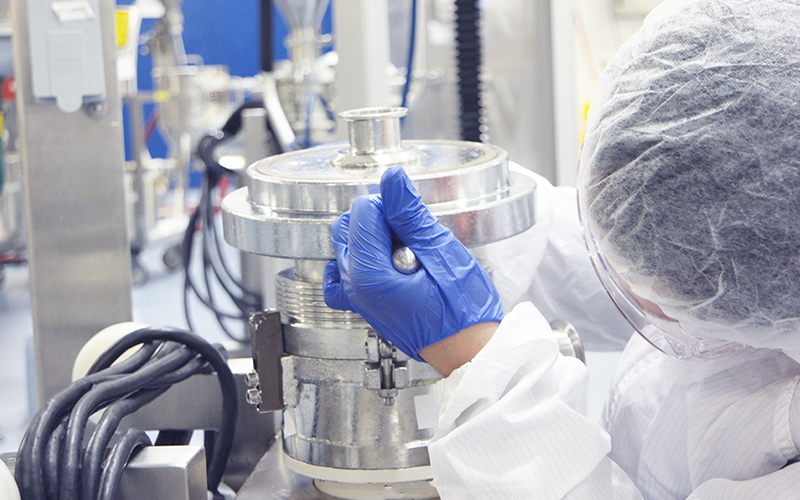
Pharmaceutical manufacturing equipment

Chemistry, biotechnology, and chemical engineering are deeply interconnected disciplines, each contributing to innovation in its own way. Chemists explore molecules and reactions to uncover how matter behaves and transforms. Biotechnologists work with living systems such as cells and microbes, using their natural capabilities to create products like vaccines, enzymes, and biofuels. Building on these discoveries, chemical engineers translate scientific insights into practical solutions by designing and optimising processes that can produce chemicals, materials, and bioproducts efficiently at an industrial scale.

Although chemical engineering has historically been associated with oil and gas industries, the field today extends far beyond these sectors. Chemical engineers now contribute to food production, pharmaceuticals, environmental protection, renewable energy, and advanced materials.


For example, they help design processes that manufacture medicines, develop biodegradable plastics, improve water treatment technologies, and create energy solutions such as hydrogen fuels or biofuels. As industries worldwide move towards more sustainable practices, chemical engineers are increasingly involved in developing cleaner and more energy-efficient manufacturing processes.

What It Is Like to Study Chemical Engineering

Studying chemical engineering is about learning how scientific ideas turn into real technologies used by millions of people. Throughout the degree, you gradually move from understanding the science behind chemical processes to designing systems capable of producing food, medicines, materials, and energy safely and efficiently.


In the early stage of your studies, you build the analytical tools engineers rely on. You learn how mathematics is used to model real-world processes and predict how systems behave under different conditions. These skills allow engineers to simulate how heat moves through equipment, how fluids flow through pipelines, or how chemical reactions progress inside reactors. At the same time, you develop engineering design thinking and learn how computational tools can help analyse and optimise complex processes.

Potato chips on the table

The science that ensures potato chips are fried evenly in factories is based on heat and mass transfer—the same principles used in refrigeration and industrial processing.

Another area introduces you to biochemical processes, where chemistry meets biology. Here, you learn how microorganisms and enzymes can be used to produce important products such as medicines, vaccines, or biofuels. This highlights how chemical engineering connects traditional manufacturing with fast-growing fields like biotechnology and pharmaceutical production.


You will also study how chemical reactions are controlled and optimised in industrial environments. Chemical engineers design reactors that allow reactions to occur efficiently while maintaining strict safety standards. At the same time, you explore how modern manufacturing plants rely on automated monitoring systems that track temperature, pressure, and chemical composition to keep operations running smoothly.

Taylor's chemical engineering student in the lab

Beyond theory, chemical engineering education places strong emphasis on practical experience. At Taylor’s, this learning is reinforced through opportunities such as industrial training and major engineering projects, where you apply what you have learned to real-world challenges. Our students have completed industrial placements with organisations such as Linde ROC, PETRONAS, and Panasonic, gaining first-hand exposure to how chemical engineering principles are applied in industry.

Final-year projects give you the opportunity to apply everything you have learned to real engineering challenges. You will work in teams to design a complete chemical process plant, covering areas such as equipment design, process simulation, process control, optimisation, and safety considerations.


In addition, your individual research project allows you to explore current engineering problems, such as developing sustainable materials for wastewater treatment, optimising bioprocesses, or reducing industrial waste. Together, these experiences strengthen your skills in research, data analysis, and engineering design while preparing you to solve complex problems similar to those faced by engineers in industry.

Studying Chemical Engineering in Malaysia

If you are considering studying chemical engineering, you will need a strong foundation in mathematics and science. Most programmes expect you to demonstrate solid results in subjects such as Mathematics, Chemistry, and Physics, as these areas form the core knowledge required to understand engineering concepts.


Studying Additional Mathematics can be particularly helpful preparation. Chemical engineering relies heavily on calculus, mathematical modelling, and quantitative problem solving. If you have already studied Additional Mathematics during secondary school, you may find it easier to adapt to the mathematical aspects of engineering courses later on.


You can enter a chemical engineering degree through several academic pathways, including Foundation programmes (in Science or Engineering), STPM, A-Levels, or related scientific fields. These pathways help you build the scientific understanding and analytical skills needed before progressing into specialised engineering studies at university level.

Taylor's student having discussion

Different pre-university pathways prepare you for chemical engineering in different ways. Foundation programmes often provide a direct route into a specific degree with subjects aligned to engineering, while A-Levels and STPM offer broader academic preparation and greater flexibility if you plan to explore different universities or study opportunities.

Where a Chemical Engineering Degree Can Take You

A degree in chemical engineering can open doors to careers across a wide range of industries. Graduates commonly work as process engineers, production engineers, research engineers, environmental engineers, or project engineers.


These roles often involve designing manufacturing systems, improving industrial efficiency, analysing production processes, and developing technologies that reduce environmental impact. Chemical engineers may work in research laboratories, industrial plants, engineering consultancy firms, or technology companies.


In Malaysia, chemical engineers are employed in sectors such as oil and gas, petrochemicals, manufacturing, pharmaceuticals, food processing, and environmental engineering. Companies in these industries rely on engineers to optimise production processes, maintain operational efficiency, and ensure compliance with safety and environmental regulations.

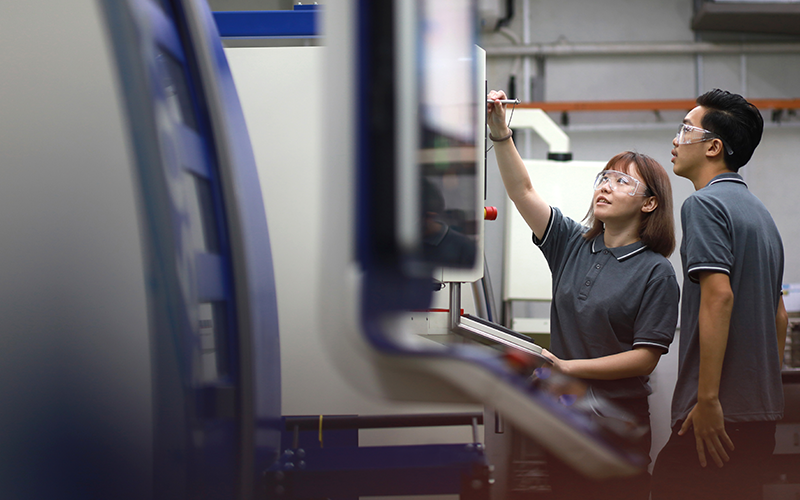
Portrait of Asian Engineers Operating A Machine In Factory

Engineering professionals remain important to Malaysia’s industrial development. Report such as TalentCorp’s Malaysia Critical Occupations List (MyCOL) highlight the continued demand for skilled professionals in fields like engineering, which remain critical to supporting industries such as manufacturing, energy, and advanced materials in Malaysia. Globally, the demand for engineers is also evolving as industries invest in renewable energy, sustainable technologies, and environmentally responsible manufacturing systems.

Is Chemical Engineering the Right Degree for You?

Chemical engineering is a field for people who are curious about how things work and how scientific discoveries can be transformed into technologies that improve everyday life. If you enjoy solving complex problems, thinking analytically, and applying science to real-world challenges, chemical engineering offers an exciting and meaningful path.


What makes chemical engineering especially exciting today is how quickly the field is evolving. Industries are no longer focused only on traditional manufacturing or energy production. Instead, chemical engineers are at the forefront of emerging technologies such as hydrogen energy systems, carbon capture and storage (CCS), sustainable materials, and advanced biomanufacturing processes. In these areas, they design processes that produce clean fuels, develop biodegradable materials, improve pharmaceutical manufacturing, and help industries transition towards greener and more sustainable technologies.


At Taylor’s University, you have the opportunity to explore these emerging areas through specialised learning pathways that reflect the changing needs of modern industries through our Bachelor of Chemical Engineering.

Automation of robot

If you are interested in how digital technologies are transforming industrial production, the Smart Manufacturing specialisation introduces areas such as advanced manufacturing systems, additive manufacturing, the Internet of Things, and big data technologies. These technologies are shaping the next generation of intelligent factories, where production systems can analyse data, automate processes, and operate more efficiently than ever before.

Solar energy

If your interests lie in tackling global environmental challenges, the Sustainability in Engineering specialisation focuses on technologies that support the transition to a low-carbon future. You will explore areas such as renewable and alternative energy systems, decarbonisation technologies, hydrogen and fuel cell energy, as well as the environmental and economic impacts of engineering solutions.


These specialisations allow you to tailor your studies towards industries that are expected to play a major role in the future, whether that involves designing smarter manufacturing systems or developing technologies that support global sustainability goals.

Dr Firnaaz Ahamed

"Studying Chemical Engineering at Taylor’s University is unique because the programme combines strong engineering fundamentals with hands-on, project-based learning and exposure to emerging technologies. With a strong focus on sustainability, biotechnology, and modern process engineering, the programme prepares graduates to tackle real-world industrial and global challenges."


Dr Firnaaz Ahamed, Programme Director for Bachelor of Chemical Engineering (Honours)


Engineering the Systems That Shape the World

From the food we eat to the medicines that protect our health, many of the products that support modern life exist because chemical engineers know how to transform scientific ideas into reliable processes that work at scale. Their work powers industries that produce energy, advanced materials, healthcare products, and technologies used by millions of people every day.


If you are curious about how things are made and enjoy solving complex problems, chemical engineering offers a pathway where science meets real-world impact. The knowledge you gain goes beyond textbooks and laboratories—it becomes part of the systems that drive industries, support communities, and shape the technologies that define our future.

Ready to take the next step towards becoming a chemical engineer?


Speak with our education counsellors to learn more about the programme, entry requirements, and how it can prepare you for careers in emerging industries.

YOU MIGHT BE INTERESTED
{{ item.articleDate ? vm.formatDate(item.articleDate) : '' }}
{{ item.readTime }} Min Read