Degree Deep Dive: Inside A Sustainable Digital Construction Management

{{ vm.tagsGroup }}

27 Apr 2026

8 Min Read

Dr Myzatul Aishah Binti Kamarazaly (Academic Contributor), The Taylor's Team (Editor)

IN THIS ARTICLE

You walk past a construction site across Kuala Lumpur and see cranes moving in slow, deliberate motion. Steel frames rise across the skyline, concrete is poured, and workers coordinate across different parts of the site. At first glance, it feels like a purely physical process, grounded in materials, labour, and time.


But much of what shapes the final structure happens long before construction begins. Entire projects are developed as digital models, where engineers simulate performance under heat, rainfall, and long-term use. They test materials, optimise energy consumption, and anticipate how people will move through the space, reducing waste, cost, and environmental impact.


This is where sustainable digital construction management comes in, bringing together digital tools and sustainability thinking to plan, design, and deliver buildings more efficiently from the very beginning.

Understanding Sustainable Digital Construction Management

In a country like Malaysia, where cities are expanding rapidly and new developments continue to reshape the skyline, construction has moved beyond simply building more. It is about building better, building greener and building more sustainable.


Sustainable Digital Construction Management brings together two ideas that have traditionally been treated separately: building sustainably and building efficiently. Today, these ideas are no longer independent. In Malaysia’s rapidly developing urban landscape, they are increasingly intertwined by digital systems that shape how construction decisions are made from the earliest stages.


Sustainable construction, at its core, focuses on designing and managing buildings in ways that reduce environmental impact while maintaining long-term performance and value. This includes how materials are sourced, how energy is used, and how buildings function throughout their lifecycle. However, in Malaysia’s context, these considerations are shaped by specific conditions, from tropical heat and heavy rainfall to increasing concerns around urban flooding and energy demand.

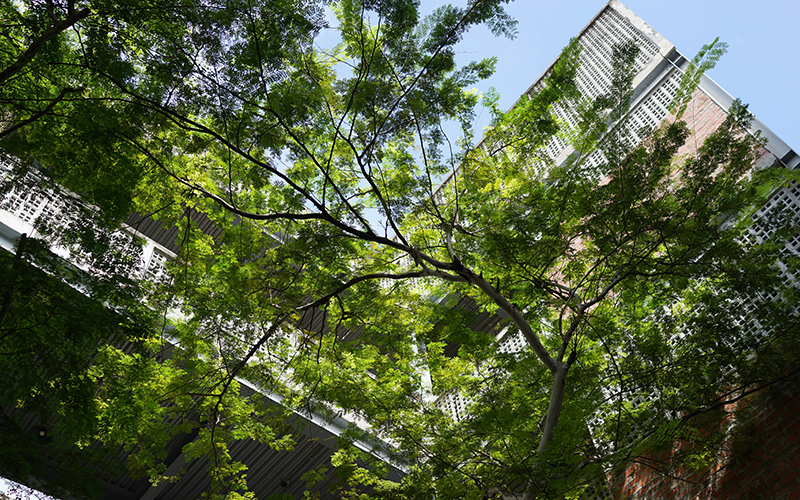
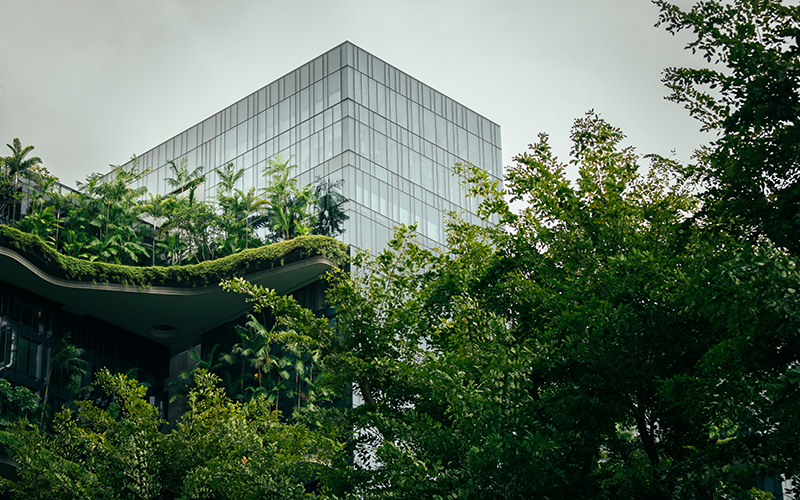
Greenery in the city

As a result, sustainability is no longer something that can be addressed at the end of a project. It must be considered from the beginning, where key decisions have the greatest impact.

This is where digital construction becomes essential. Rather than relying solely on drawings or past experience, digital construction introduces tools and processes that allow projects to be analysed before they are built. Technologies such as Building Information Modelling (BIM) and digital twins enable construction professionals to simulate how a building will perform under real-world conditions, whether it is exposure to heat, rainfall patterns, or long-term energy usage in Malaysia’s climate.

What It Is Like to Study Sustainable Digital Construction Management

You will begins with understanding that construction is not a single process, but a coordination of many moving parts happening at the same time.


Early on, you are introduced to how construction projects are planned, managed, and executed on the ground. You explore how sites operate, how safety is maintained, and how timelines are structured so that different stages of a project come together efficiently.


At the same time, you are exposed to the technologies that are reshaping the industry. Through approaches such as Building Information Modelling (BIM), you begin to see how construction is no longer limited to physical drawings or site-based decisions. Using industry-standard tools such as Autodesk Revit and Autodesk Navisworks, buildings are developed and tested within digital environments, allowing you to visualise how different components interact before construction begins.


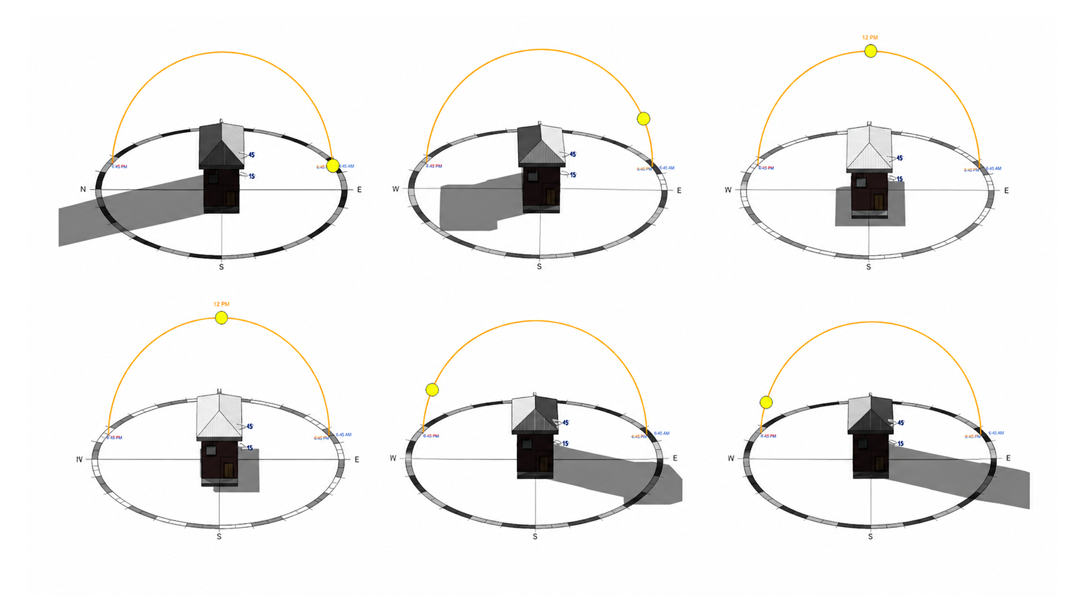
For example, you might work on a digital model of a building and realise that the air-conditioning system clashes with structural elements within the ceiling space. Rather than discovering this issue during construction, where it would lead to delays and additional cost, BIM allows you to identify and resolve it early. In another scenario, you may simulate how sunlight enters a building throughout the day, adjusting its orientation or façade design to reduce heat gain and improve energy efficiency in Malaysia’s climate.

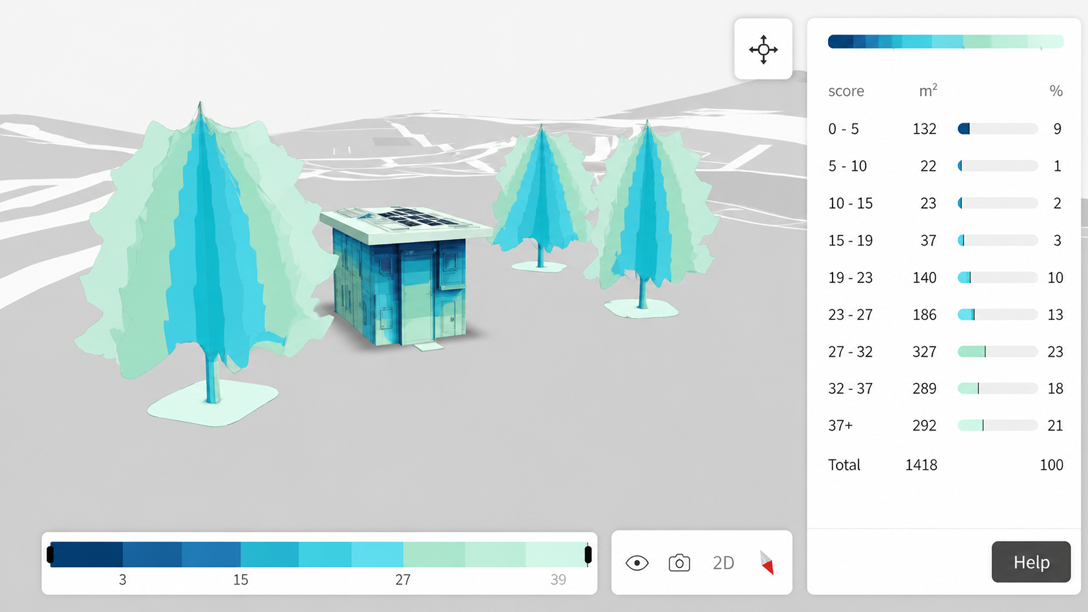
Annual Sunlight Exposure on each façade for Orientation Analysis

Annual Sunlight Exposure (Orientation Analysis)
Visualising how sunlight interacts with building façades throughout the year, enabling data-driven orientation decisions that optimise energy performance and indoor comfort.

Sun path and shadow analysis through simulation

 Sun Path and Shadow Simulation
Tracking the movement of the sun across different times and seasons to predict shadow behaviour—supporting smarter design choices in shading, massing, and spatial planning.

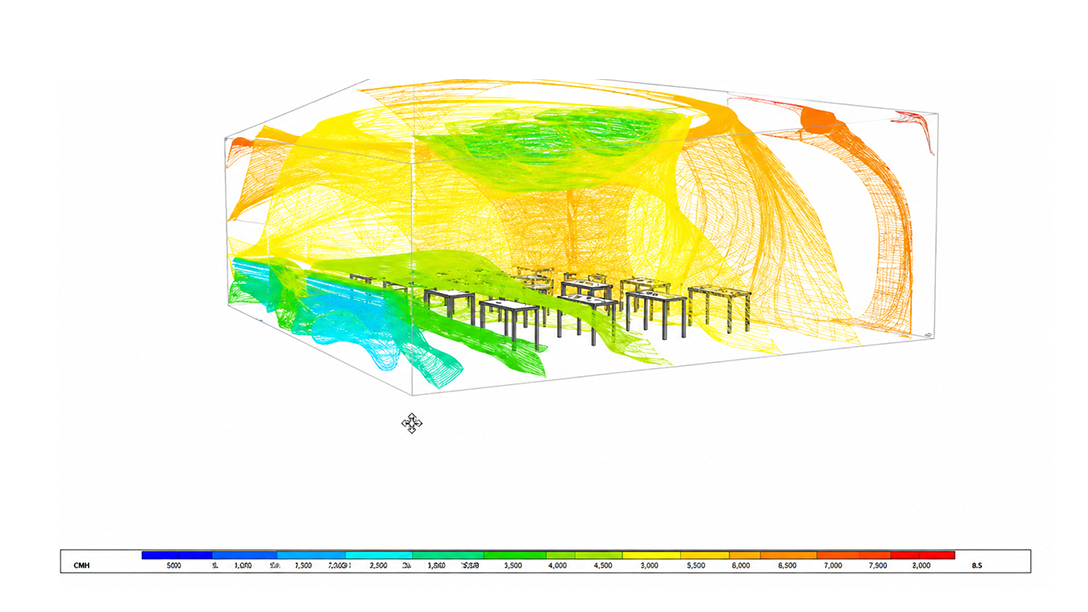
Interior Airflow visualisation through CFD simulation

Interior Airflow (Computational Fluid Dynamics, CFD Simulation)
Mapping airflow dynamics within interior spaces through computational fluid dynamics, helping to enhance ventilation, thermal comfort, and overall building performance.

Exterior Daylight Analysis through Simulation

Exterior Daylight Analysis
Assessing daylight distribution across external environments to inform sustainable design strategies that balance natural lighting, energy efficiency, and user experience.

As your understanding deepens, the focus expands beyond execution into decision-making. You begin to explore how projects are measured and costed, and how financial considerations influence design and construction choices. Estimating costs, managing cash flow, and understanding construction economics reveal that every design decision carries financial implications. What initially appears to be a technical process becomes a balance between cost, efficiency, and long-term value.


Alongside this, you are introduced to the regulatory and contractual frameworks that shape how projects are delivered. Construction law, tendering processes, and contract administration highlight the realities of working within industry constraints, where agreements, risks, and disputes must be managed carefully. These areas add another layer of complexity, showing that construction is as much about negotiation and accountability as it is about design and building.


Sustainability is woven throughout this learning experience, shaping how you evaluate materials, manage environmental impact, and consider long-term building performance. It becomes part of how you approach every decision, not as an isolated concept, but as something integrated into the entire construction process. Over time, you begin to see how these decisions influence not only immediate outcomes, but how buildings perform and adapt in the long run, particularly in environments like Malaysia where climate conditions play a significant role.


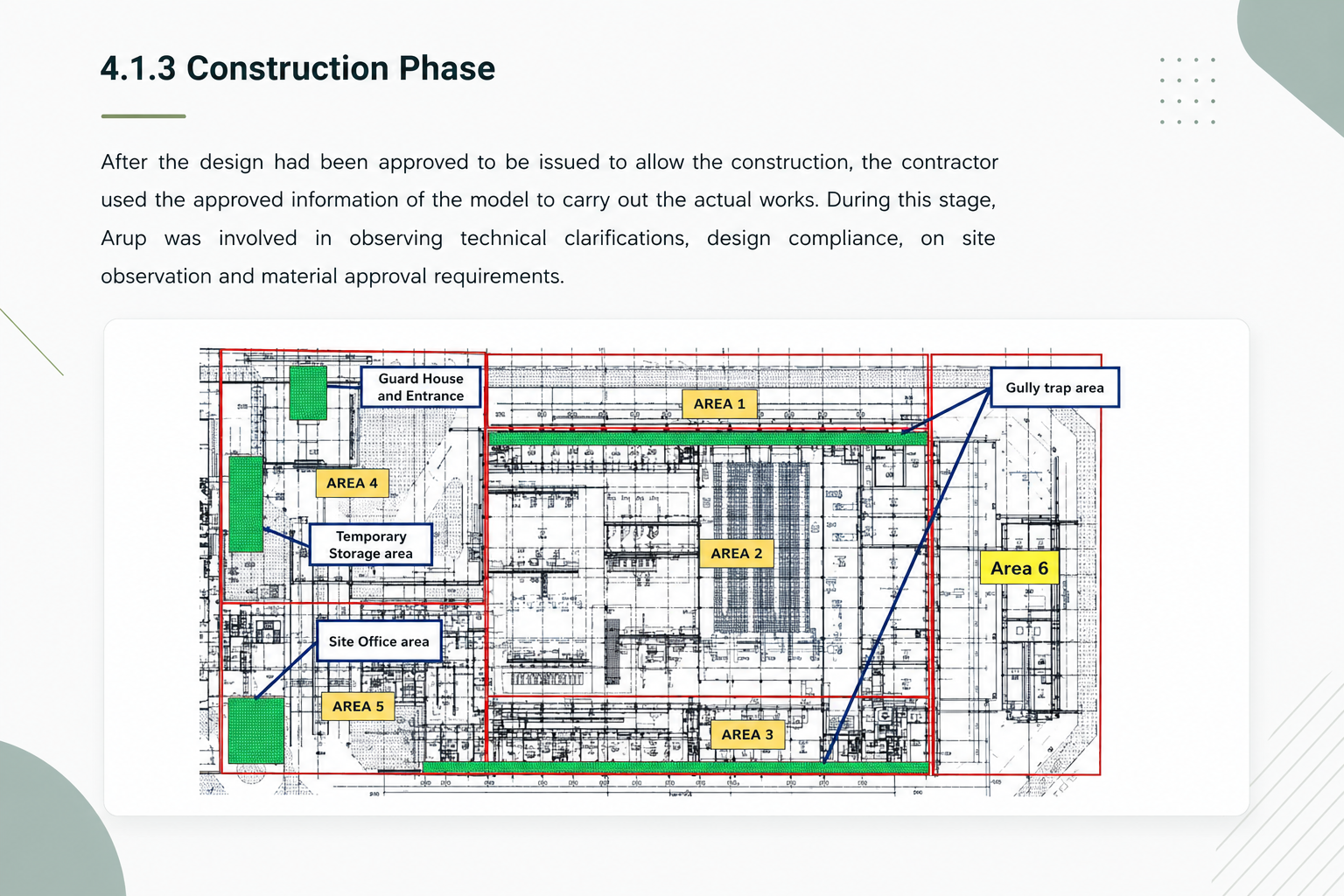
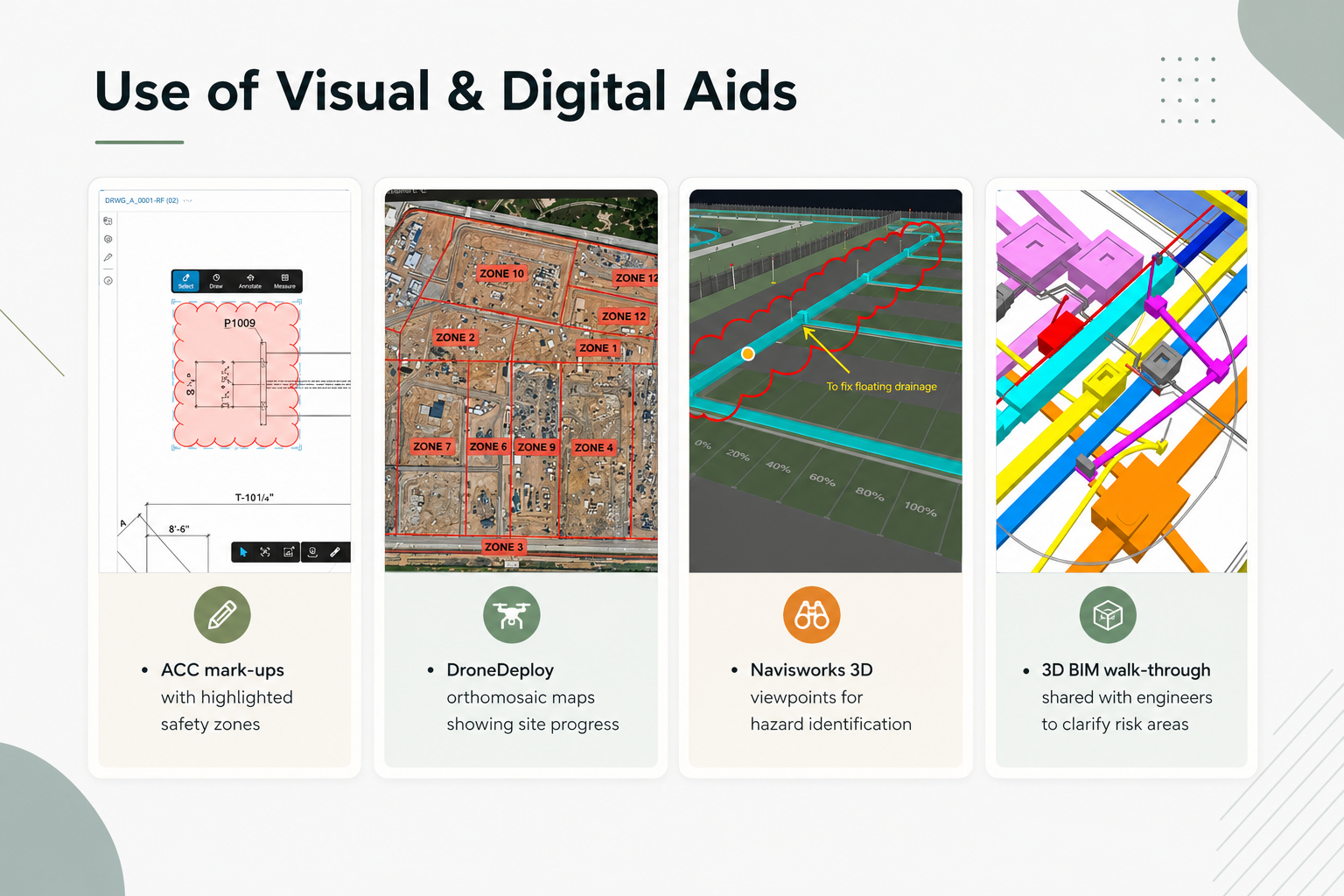
You may find yourself working on research-led projects where you analyse construction challenges and propose solutions that combine digital tools with sustainable strategies. These projects require you to draw from multiple areas of knowledge, from technical systems and cost management to environmental considerations and regulatory requirements.

Work based learning project

A glimpse into real Work-Based Learning (WBL) projects, where students translate theory into practice through site planning, zoning strategies, and construction phase analysis.

work-based-learning-project

A showcase of Work-Based Learning (WBL) projects where students harness digital tools for site monitoring, safety planning, and BIM coordination.

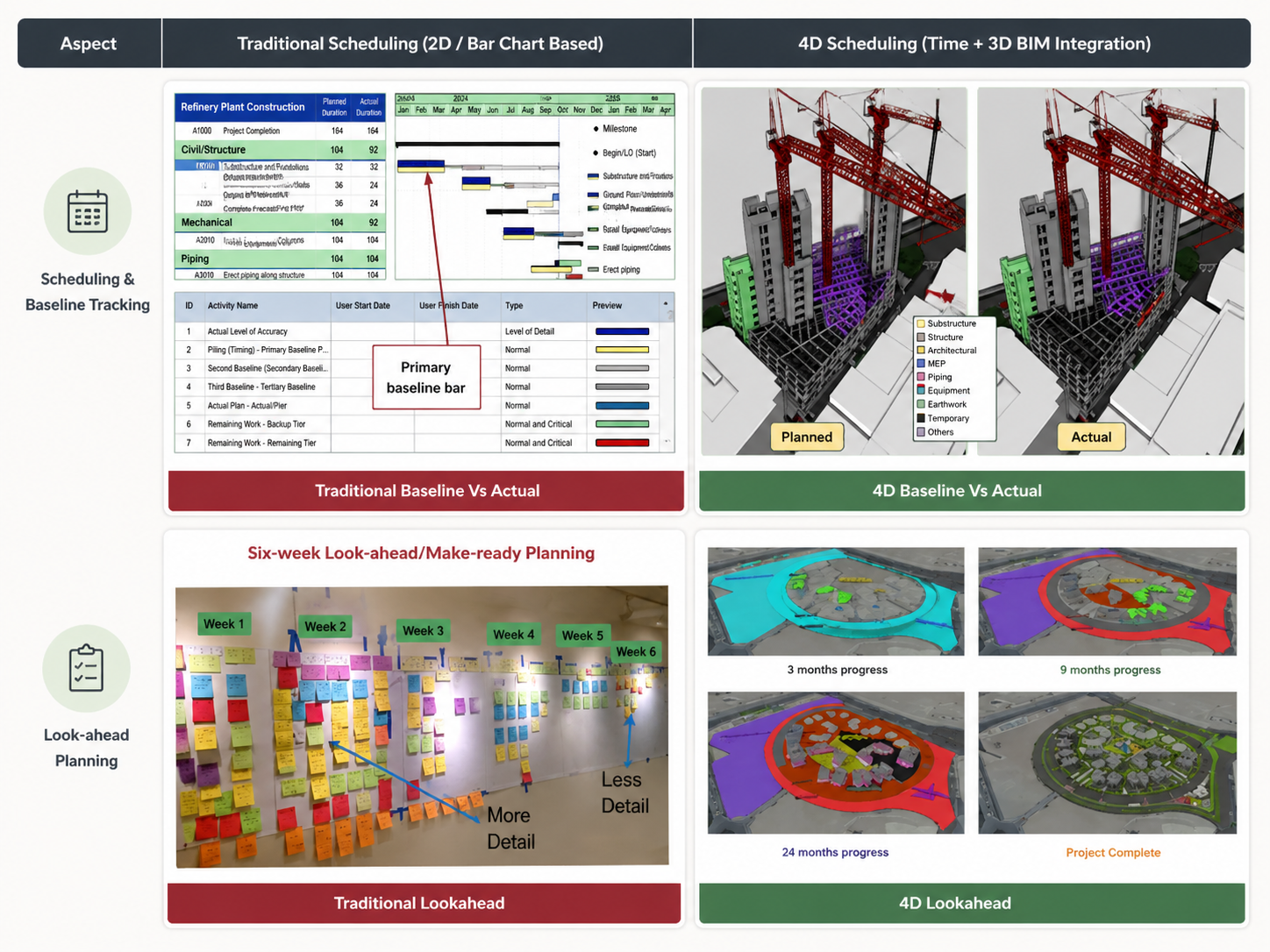
A comparison between 4D BIM construction simulation and traditional project modelling

A comparison between 4D BIM construction simulation and traditional project modelling—revealing how time-integrated digital workflows enable more precise planning, coordination, and risk mitigation

These experiences allow you to see how digital tools and sustainable strategies are not applied in isolation but integrated into everyday decision-making within the construction process. The work you produce during WBL, and internships becomes part of your professional portfolio, demonstrating your ability to apply technical knowledge, adapt to industry workflows, and contribute meaningfully to project delivery.

Studying Sustainable Digital Construction Management in Malaysia

In Malaysia, the pathway into a degree in Sustainable Digital Construction Management typically begins with qualifications such as SPM, O-Level, or UEC. These do not lead directly into the degree, but form the academic foundation required to progress into pre-university or diploma studies.


From there, many continue through pre-university pathways such as foundation in natural, built and environment, A Levels, AUSMAT, STPM, or the International Baccalaureate, which provide the academic grounding needed before entering degree-level studies. Others may take a more applied route, progressing from a diploma in construction, engineering, or related fields.

Taylor's architecture school

What matters most across these pathways is not just the qualification itself, but the way it builds your ability to think analytically and approach problems systematically. Subjects such as mathematics and science play an important role here, not as isolated topics, but as tools that support how you interpret data, understand systems, and make informed decisions within construction.

Rapid urbanisation continues to drive demand for new developments, from residential projects to large-scale infrastructure. At the same time, Malaysia continue to faces environmental challenges that directly influence how construction is approached, including heat management in tropical climates, increasing rainfall intensity, and the need for more resilient urban planning. This creates a learning environment where sustainability is not theoretical, but highly practical.

Where a Sustainable Digital Construction Management Degree Can Take You

A degree in Sustainable Digital Construction Management does not lead to a single defined role. Instead, it places you within an industry that is evolving, where construction, technology, and sustainability are increasingly interconnected.


You may begin in roles such as project executive or site engineer, where you are involved in coordinating construction activities, managing timelines, and ensuring that projects are delivered as planned. Over time, as your understanding deepens, your role often shifts from execution to decision-making, where you are no longer just following plans, but shaping them.

Construction management team

Some graduates move into digital construction roles, working with tools such as BIM to develop and manage building models. In these roles, you are not only visualising structures, but also analysing how different systems interact, identifying potential issues early, and improving overall project efficiency. As projects become more complex, these capabilities are increasingly valued across the industry.

Others may focus on sustainability within the built environment. In this space, you might evaluate how materials, design choices, and building systems contribute to environmental performance. This could involve working with green building standards, assessing energy efficiency, or supporting organisations in meeting sustainability targets and regulatory requirements.
 

There are also opportunities within cost and project management, where you balance financial considerations with technical and environmental factors. Here, decisions are rarely straightforward. You may need to weigh short-term costs against long-term performance, or evaluate how design changes affect both budget and sustainability outcomes.


Areas such as smart infrastructure, digital twins, and data-driven construction are creating opportunities for professionals who can work across both technical and strategic domains. These roles require more than just technical knowledge. They demand the ability to interpret data, understand systems, and make decisions that account for multiple constraints at once.


In Malaysia, these opportunities are shaped by the country’s ongoing development and its growing focus on sustainable urban planning. From large-scale infrastructure projects to green-certified developments, there is increasing demand for professionals who understand how to integrate sustainability with efficient project delivery.

Is Sustainable Digital Construction Management the Right Degree for You?

You may find this field a good fit if you are naturally curious about how things come together, not just physically, but as part of a larger system. Buildings are shaped by layers of decisions, from design and cost to environmental impact and long-term performance. If you are comfortable thinking across these layers, the discipline begins to make sense.


As you progress through the degree, you begin to shape your learning through areas of focus that reflect different directions within the industry. At Taylor’s University, the Bachelor of Science in Sustainable Digital Construction Management supports this through specialised pathways that allow you to explore how sustainability and digital technologies are applied in practice.

Sustainable resources, green building in city center.

If you are drawn to sustainability and environmental impact, you may find yourself more aligned with the Green Construction pathway. Here, you explore how materials, technologies, and building systems can reduce environmental footprint and improve long-term efficiency. You might work with concepts such as smart building systems, innovative construction materials, and green technologies, understanding how each decision contributes to a more sustainable built environment.

Digital building

On the other hand, if you are more interested in how technology is transforming construction, the Smart Construction pathway places greater emphasis on digital systems and data-driven approaches. This includes working with advanced BIM, data science principles, and extended reality tools, allowing you to explore how construction processes can be simulated, optimised, and managed more effectively.


As Programme Director, Dr Myzatul Aishah highlights how this programme equips students with the capabilities needed for sustainable digital construction:

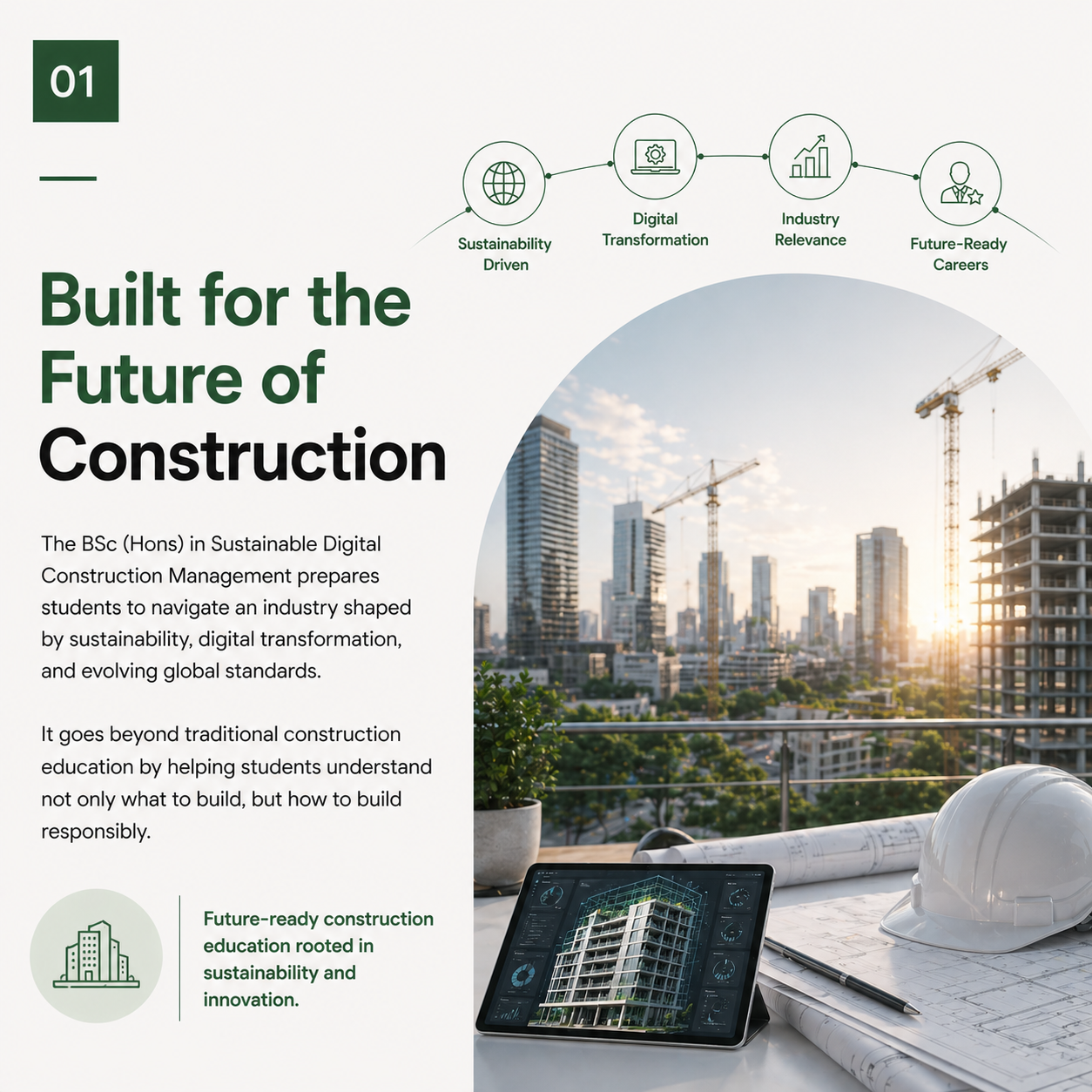
Built for the future of construction
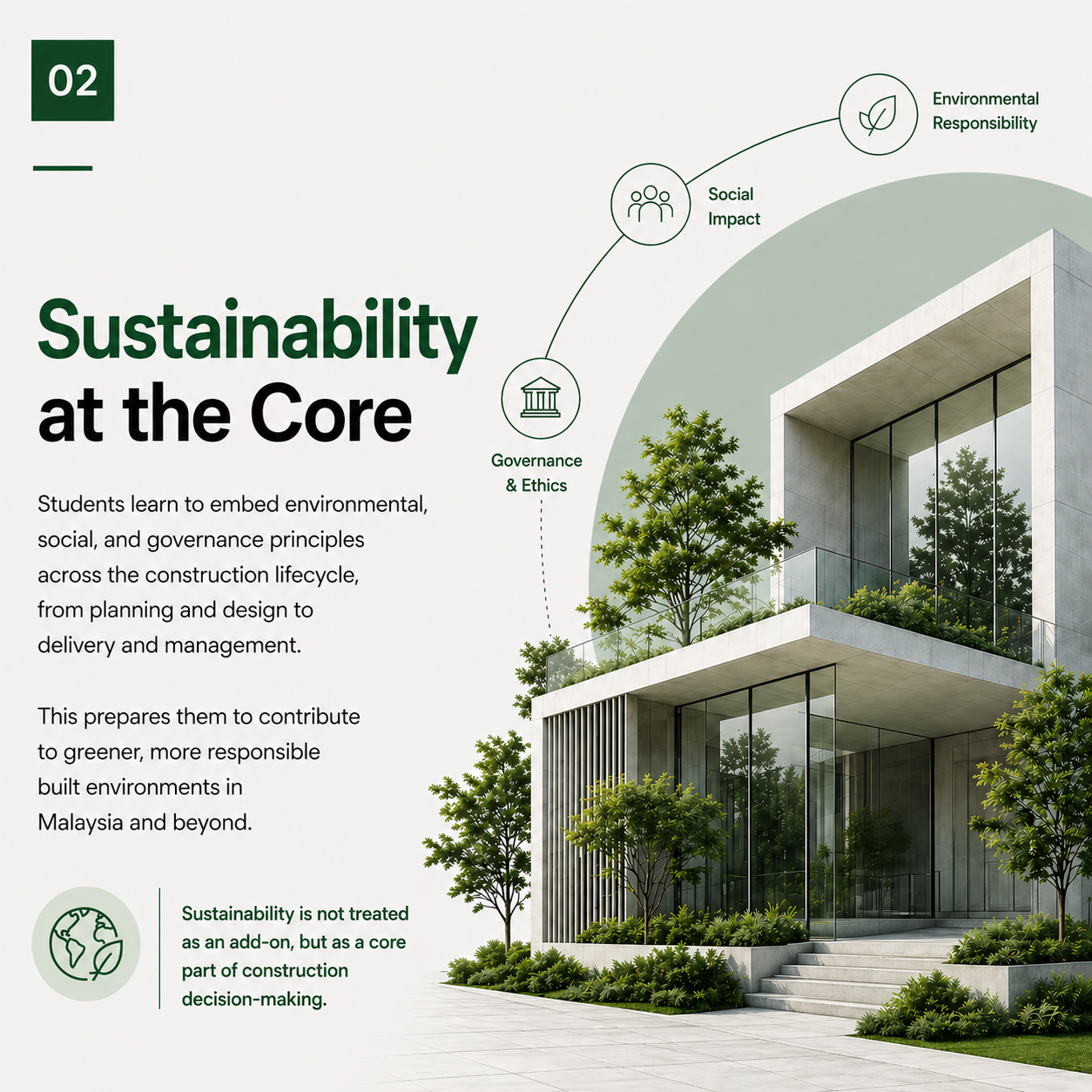
Sustainability at the core
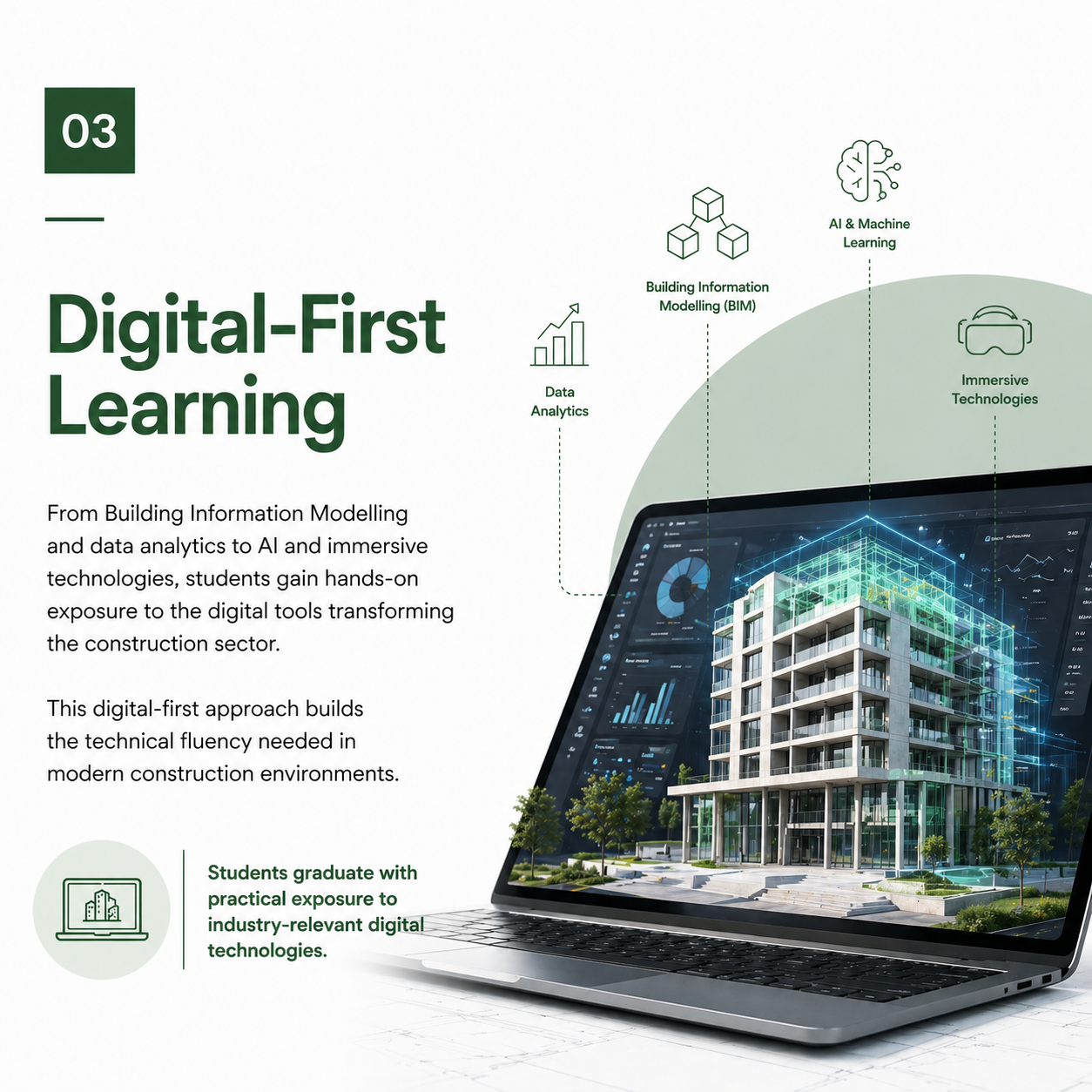
Digital first learning
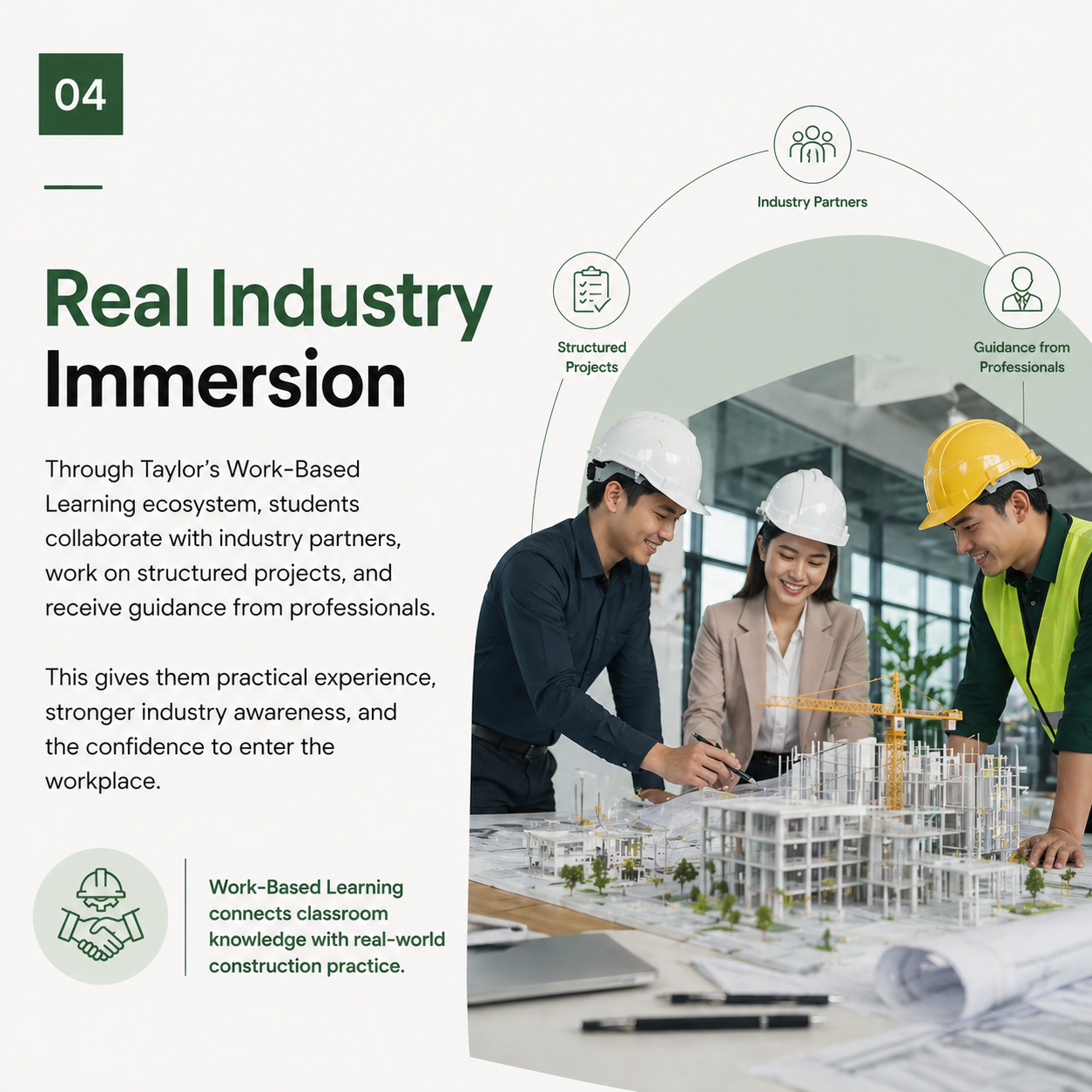
real industry immersion
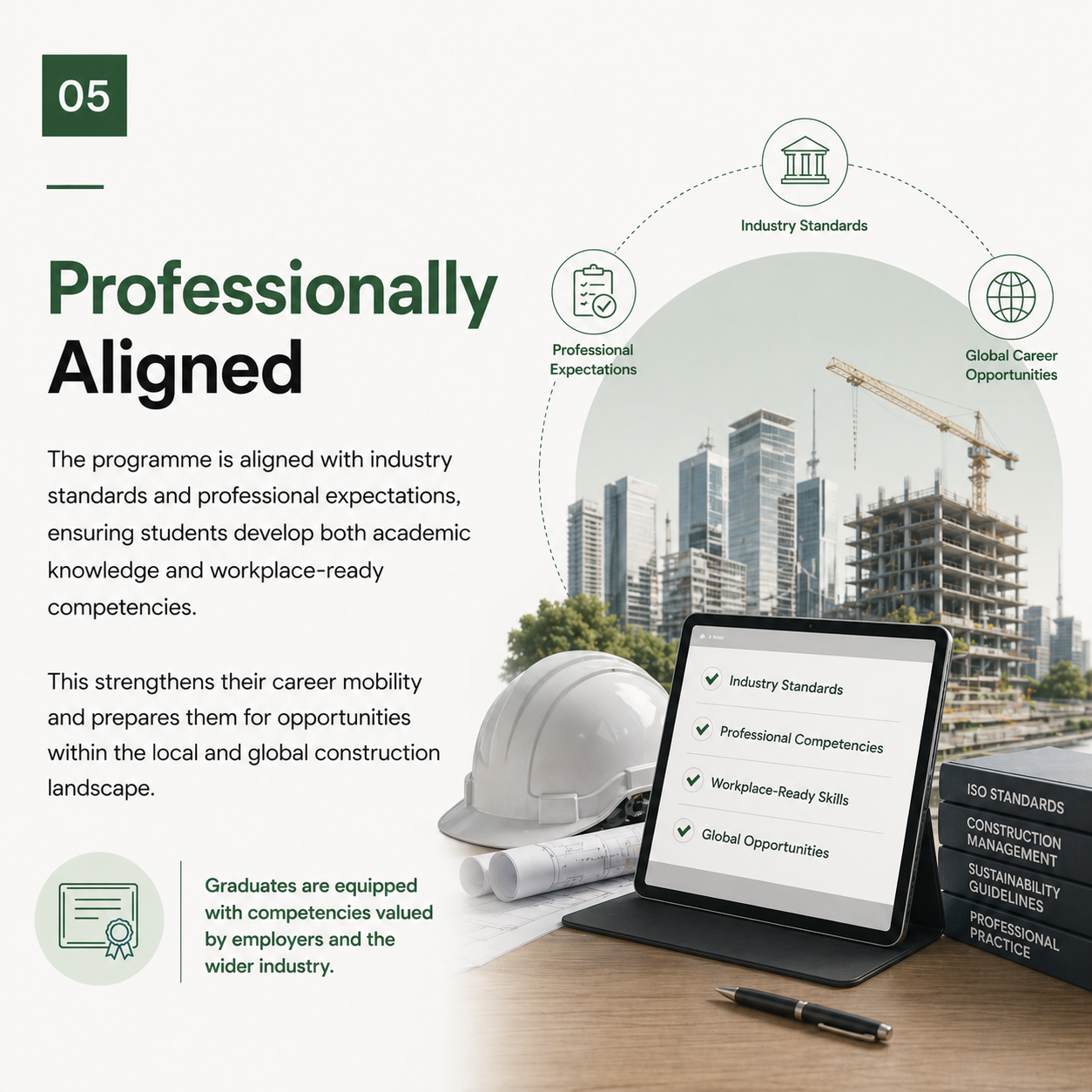
Professionally aligned
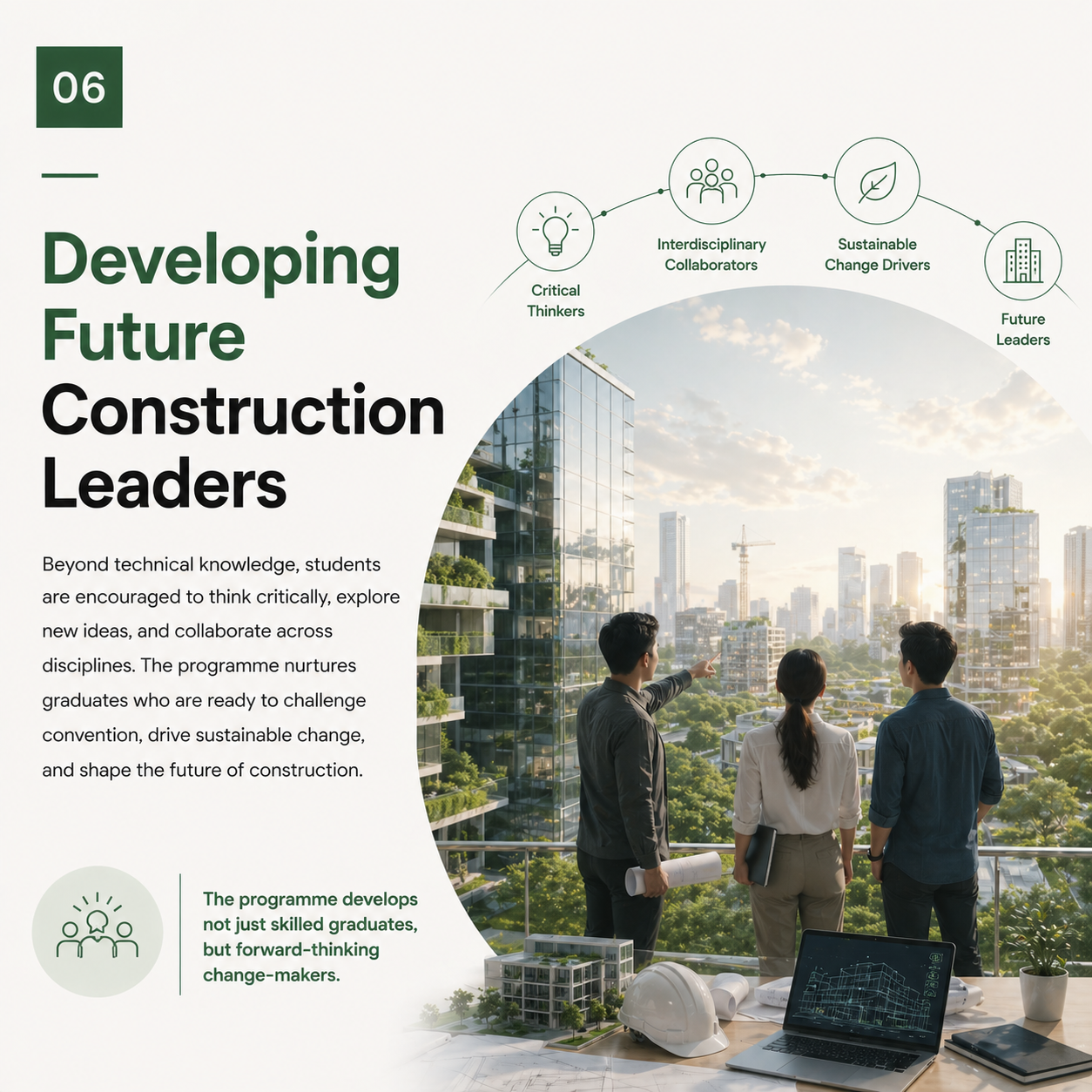
Developing future construction leaders

Conclusion

The buildings around us often feel permanent, but the decisions behind them are anything but. They are shaped by changing technologies, evolving expectations, and a growing need to build with greater responsibility.


Choosing this path is less about learning how to construct, and more about understanding how those decisions come together over time, and the role you might play in shaping what comes next.

Dr Myzatul Aishah Binti Kamarazaly

This article was developed with insights from Dr Myzatul Aishah Binti Kamarazaly, Programme Director for the Bachelor of Science (Honours) in Sustainable Digital Construction Management at Taylor’s University. Her areas of specialisation include facilities management, BIM, quantity surveying education and profession, and built-environment related studies. She can be reached at myzatulaishah.kamarazaly@taylors.edu.my

Ready to take the next step towards shaping the future of construction?

Speak with our education counsellors to learn more about the programme, entry requirements, and how it can prepare you for careers in sustainable and digitally driven industries.

YOU MIGHT BE INTERESTED
{{ item.articleDate ? vm.formatDate(item.articleDate) : '' }}
{{ item.readTime }} Min Read