Rethinking Civil Liberties and Peaceful Assembly in Malaysia

{{ vm.tagsGroup }}

18 May 2026

6 Min Read

Dr Jenita Kanapathy (Academic Contributor), Taylor's Team (Editor)

IN THIS ARTICLE

The right to peaceful assembly is more than a legal principle written into the Federal Constitution. It is one of the ways a society expresses concern, disagreement, hope, and participation in public life. Yet in every democracy, this right exists alongside another difficult question: how should the law balance individual freedoms with public order?


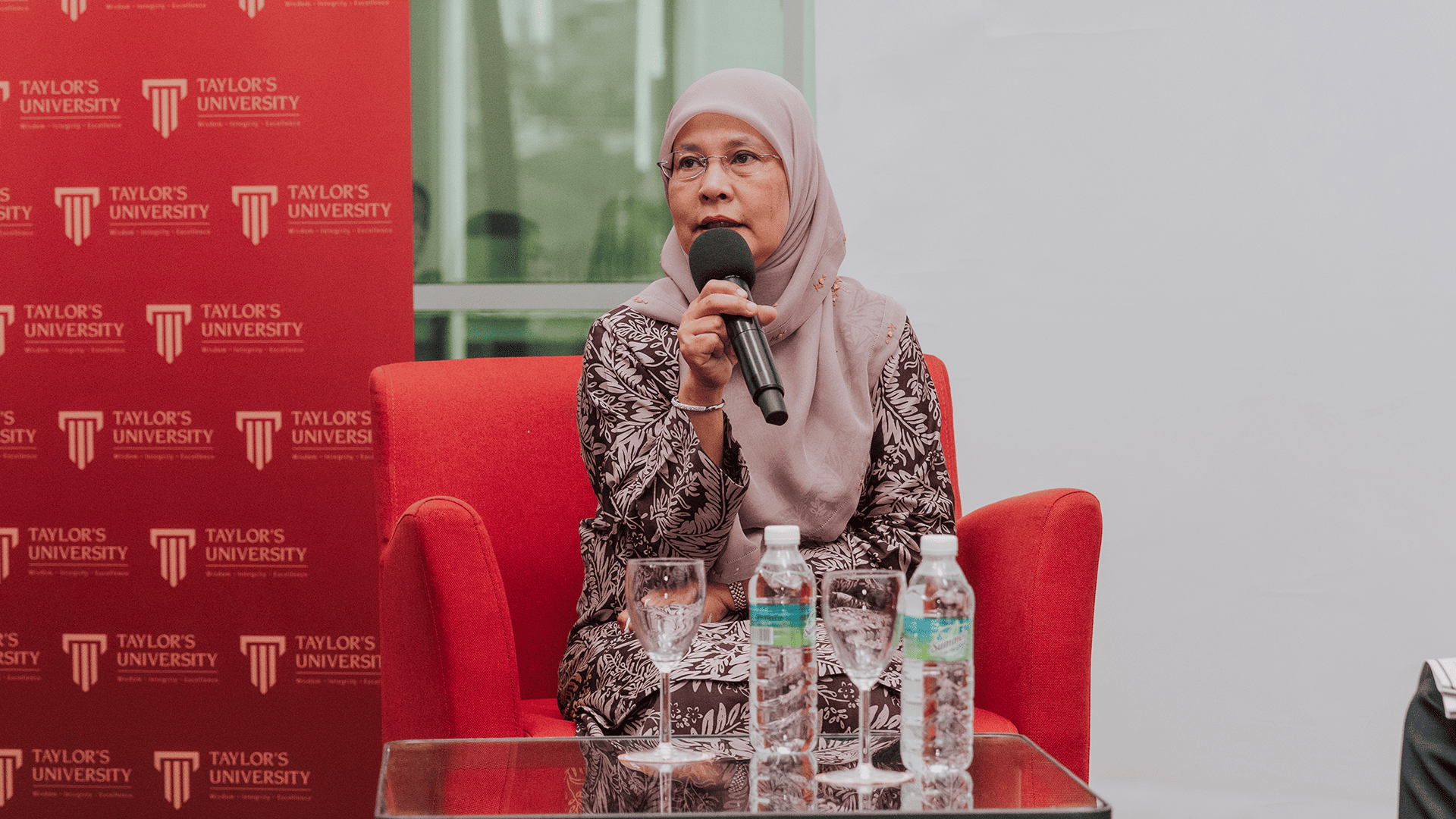
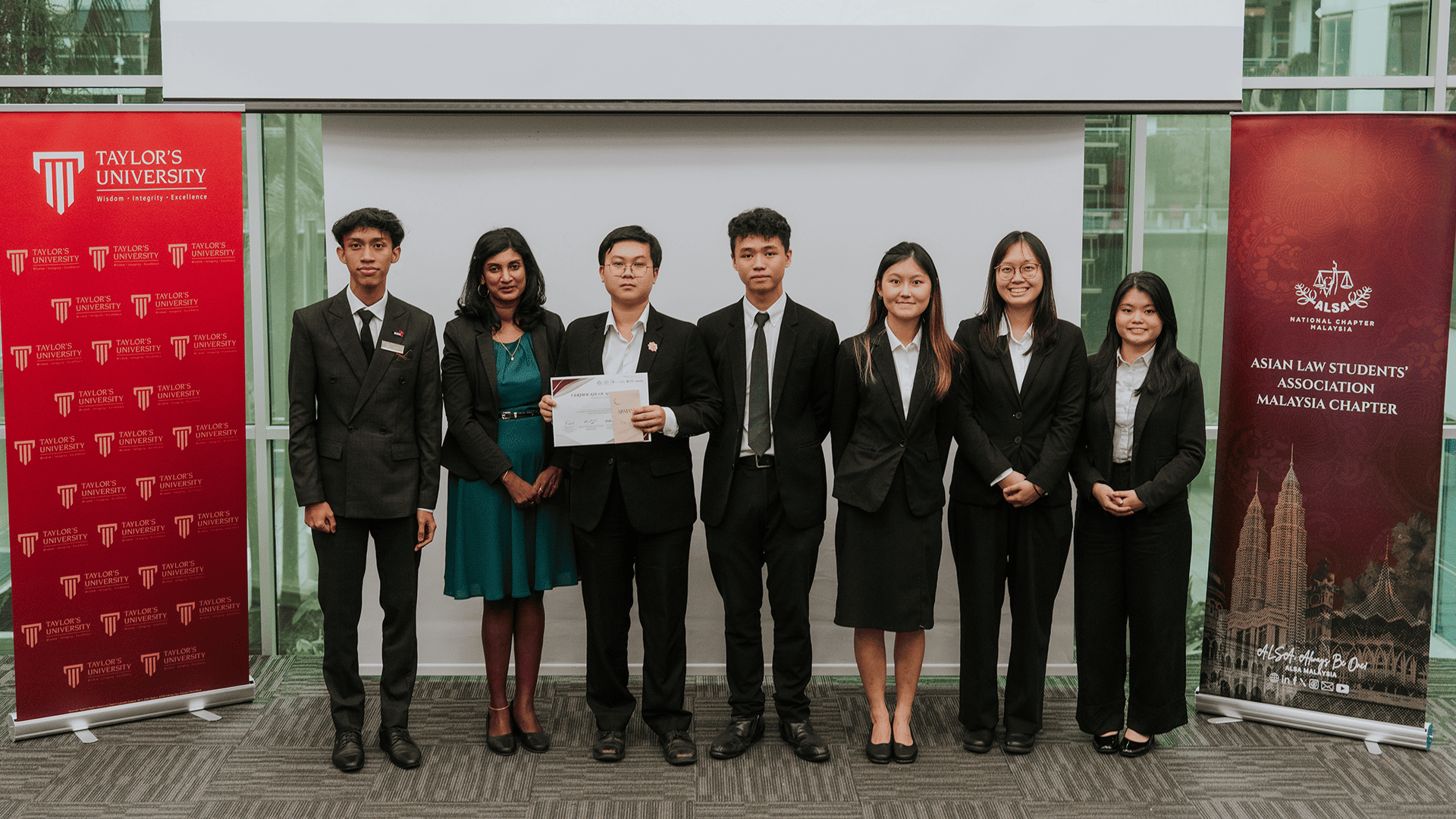
This question became the centre of discussion at The 5th Legal Lounge with ALSA Malaysia, where students, legal minds, and members of the legal community came together to revisit the evolving meaning of constitutional freedoms in Malaysia. With a focus on peaceful assembly, constitutional reform, and judicial interpretation, this year’s edition moved beyond general legal discussion and into a more timely conversation about how rights are understood, protected, and challenged in practice.


Originally conceived as a platform to connect legal education with real-world constitutional practice, the Legal Lounge series has continued to create space for students to engage directly with members of the judiciary and legal profession. The 5th edition built on this foundation by placing stronger emphasis on current constitutional questions, particularly those surrounding Article 10 of the Federal Constitution and the limits placed on the right to peaceful assembly.
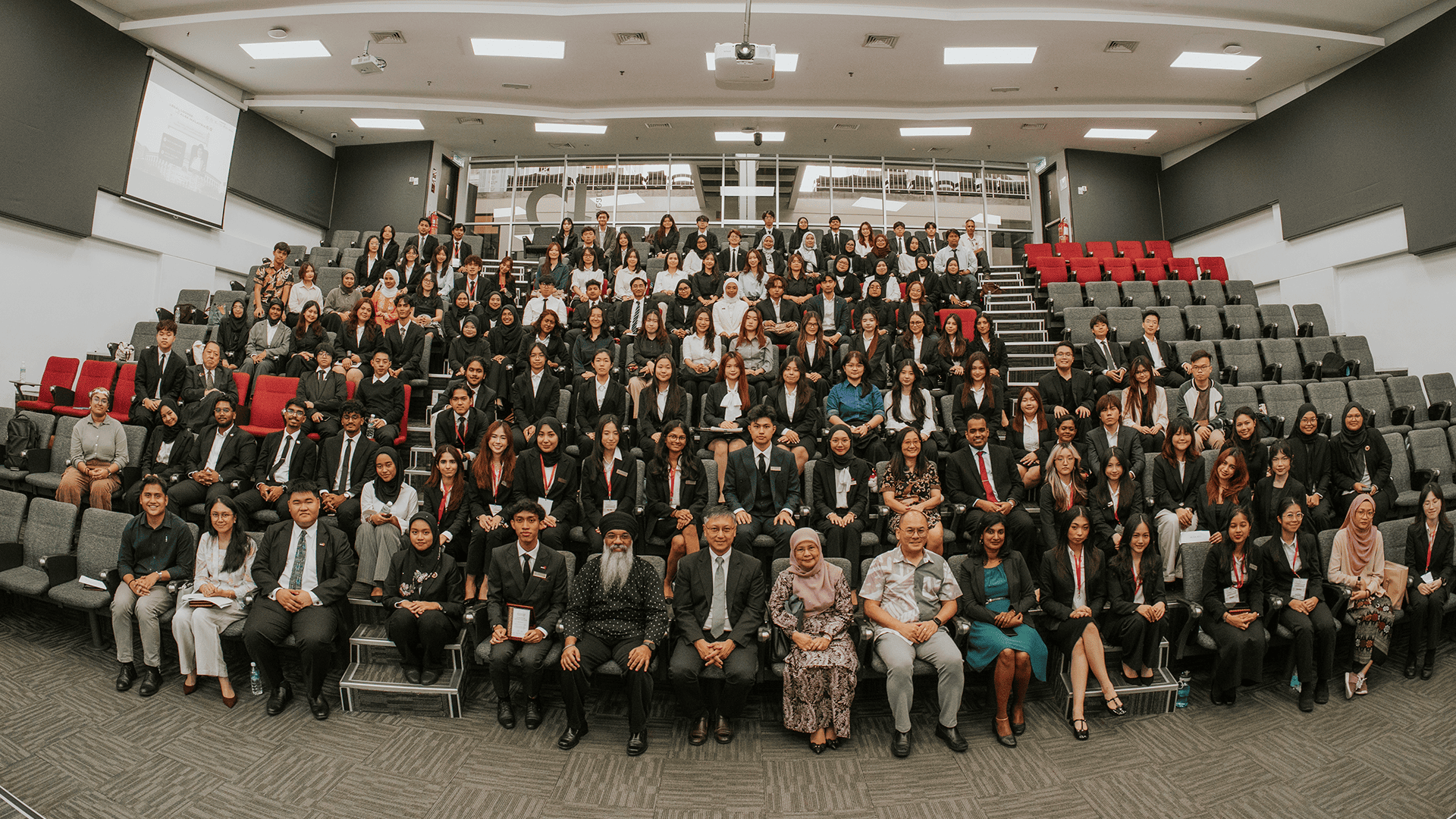
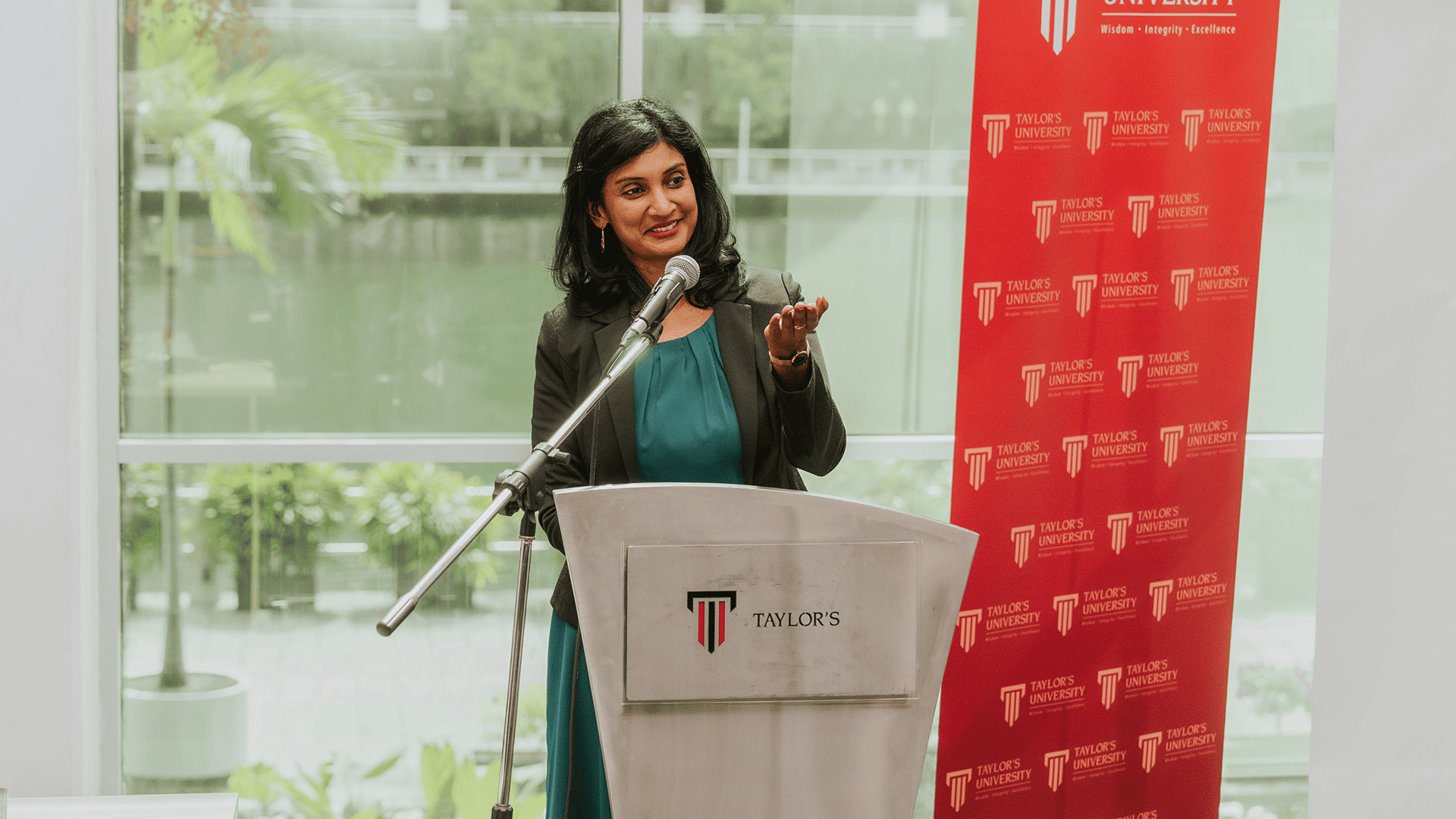
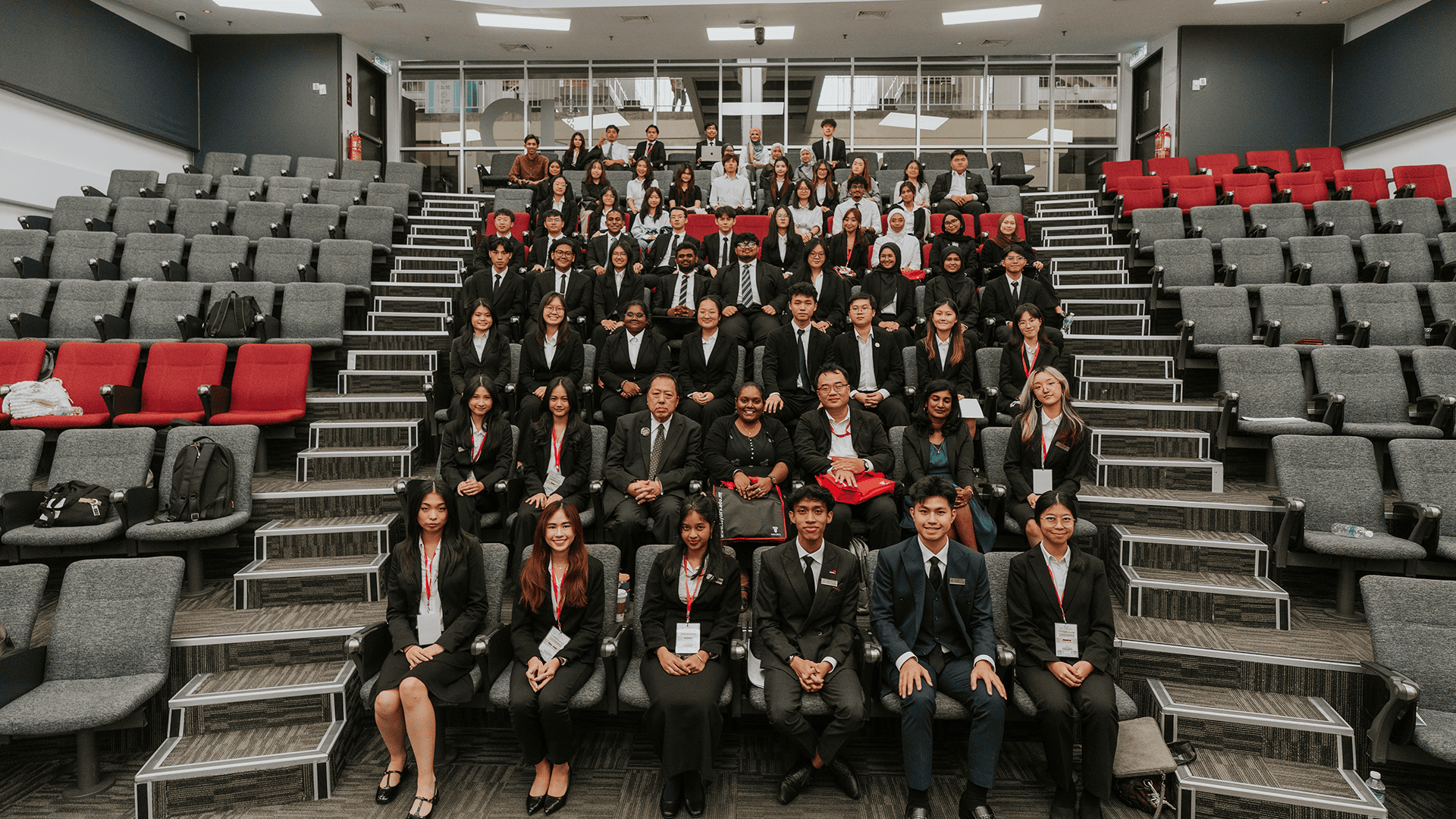
Group photos for the event

Rethinking Article 10 and the Limits of Restriction

During the session, one of the most contested areas was the interpretation of Article 10 and the extent to which restrictions on peaceful assembly can be justified in the name of public order.


Participants explored whether existing limitations are necessary and proportionate, or whether they risk weakening the very essence of the constitutional right itself. Some viewpoints challenged the more cautious approach often taken towards civil liberties in Malaysia, advocating instead for a more rights-centred interpretation. From this perspective, any restriction on peaceful assembly must be narrowly justified and carefully examined.


The discussion also highlighted limitations within the current legal framework. One concern raised was the broad scope of statutory restrictions, which may sometimes be applied in ways that limit the genuine exercise of constitutional rights. There was also a need for greater clarity and consistency in how constitutional principles are translated into practice.

Locating Malaysia Within a Wider Global Conversation

The issues discussed at The 5th Legal Lounge are not unique to Malaysia. Across the world, legal systems continue to face the challenge of protecting civil liberties while responding to concerns around public order, security, and political polarisation.


Malaysia appears to be gradually aligning with jurisdictions that place greater emphasis on proportionality and judicial oversight, although its approach remains shaped by its own constitutional, social, and institutional context. This makes platforms like Legal Lounge especially valuable, as they allow students and legal professionals to situate local legal developments within wider global conversations.


In an era of increasing tensions and competing public interests, the protection of civil liberties requires more than strong laws. It requires strong institutions, independent judicial review, transparent restrictions, and a public that understands why constitutional rights matter.

YOU MIGHT BE INTERESTED
{{ item.articleDate ? vm.formatDate(item.articleDate) : '' }}
{{ item.readTime }} Min Read