The MBA That Fits Into a Life Already in Motion

{{ vm.tagsGroup }}

05 Jun 2026

6 Min Read

Dr Christina Rathy Anthony Samy (Academic Contributor), Hassan Ali Mogbool (MBA Alumnus), Istiaque Ahmad (MBA Alumnus), and the Taylor’s Team (Editor)

IN THIS ARTICLE

There is a particular moment many working professionals eventually arrive at.


It usually does not happen at the beginning of a career, when the focus is simply on gaining experience and proving capability. It happens later, after years of meetings, deadlines, operational pressures and increasingly complex responsibilities. The work becomes bigger. Decisions become heavier. Expectations change.


Some begin noticing that technical expertise alone is no longer enough. Others realise they are already managing teams, projects or businesses, but are making strategic decisions largely through instinct and experience. Many quietly wonder whether they are prepared for the next stage of leadership in a world now shaped by digital transformation, artificial intelligence and constant economic uncertainty.


Yet returning to study is rarely a simple decision.


For working professionals, life does not pause neatly to make room for a postgraduate degree. Careers continue moving. Families still require attention. Businesses still need managing. Responsibilities remain.
Returning to Study With a Different Perspective

For Hassan Ali Mogbool, pursuing an MBA was not about changing industries. It was about expanding beyond the limits of a purely technical role.


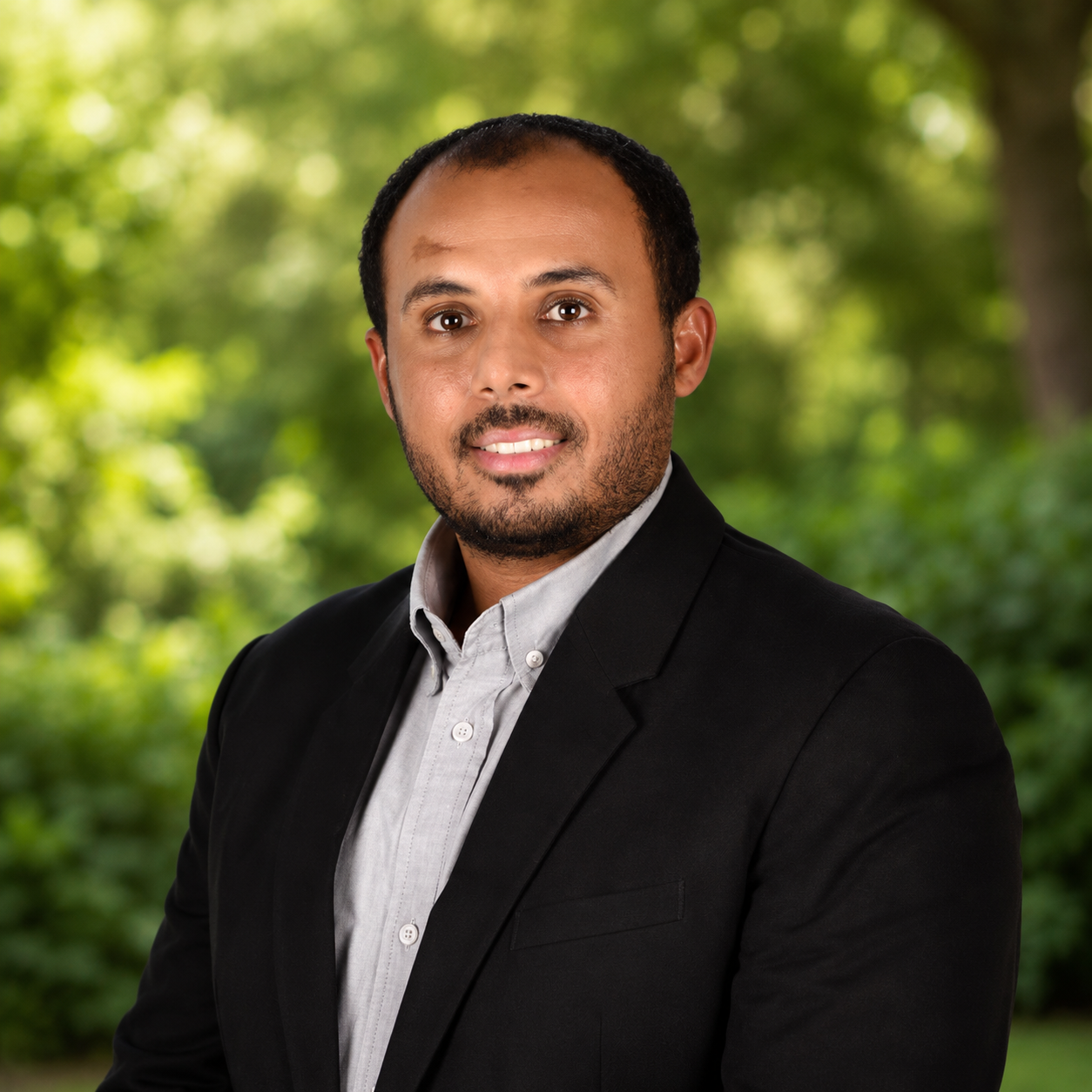
With a background in engineering and experience as a Senior Marine Technical Advisor, Hassan had already built a strong professional foundation. Over time, however, he began recognising that broader business understanding was becoming increasingly important in organisational decision-making. He shared that the MBA allowed him to complement his engineering experience with stronger business, leadership and strategic management capabilities, supporting his transition from technical responsibilities into wider executive decision-making.

Hassan Ali Mogbool

Hassan Ali Mogbool

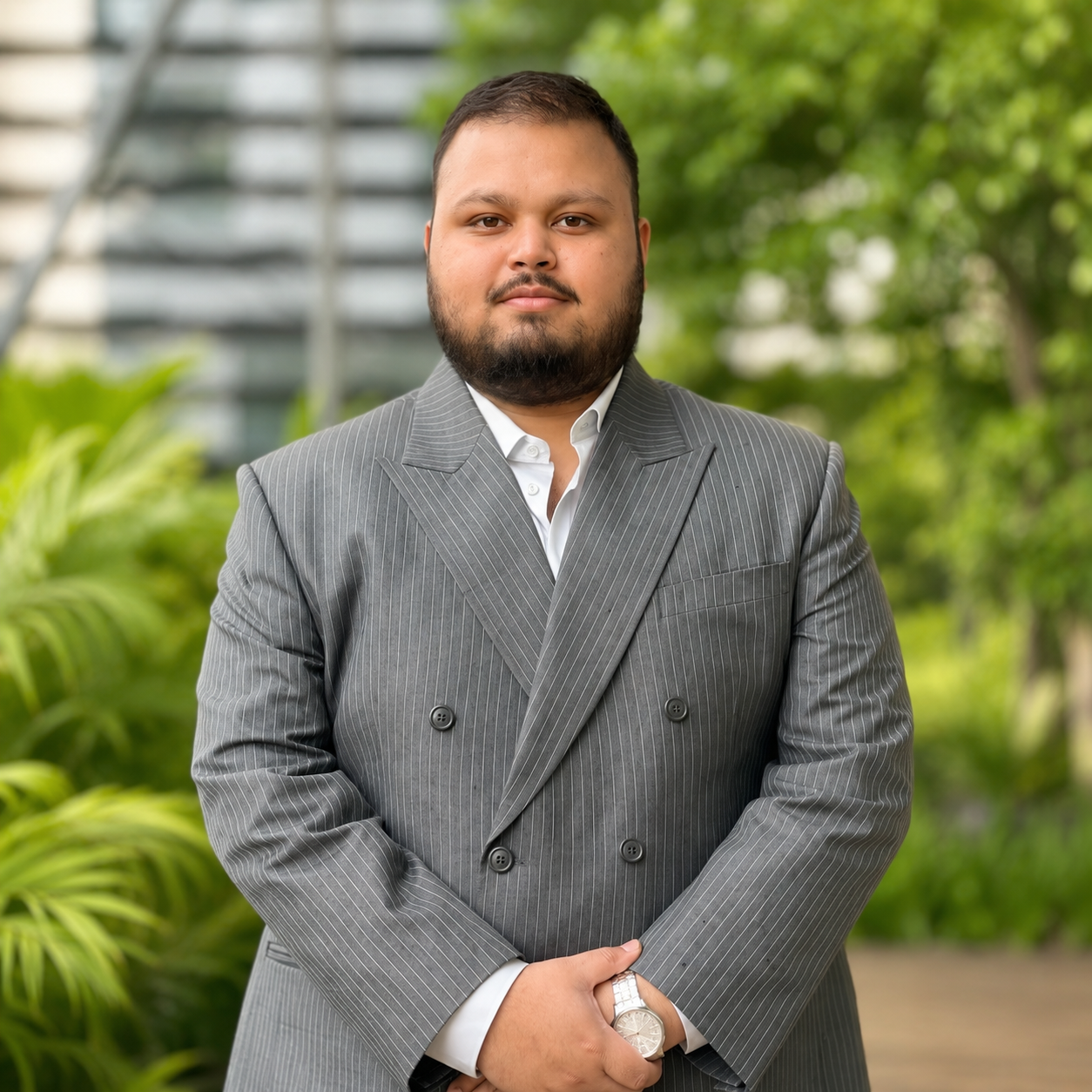
Istiaque Ahmad

Istiaque Ahmad

For Istiaque Ahmad, an active MBA student from Bangladesh, the motivation came from a different environment: a growing family business.


His involvement in branding, marketing and business development gave him first-hand exposure to how strategic decisions can shape organisational growth. At the same time, it made him realise that practical experience alone may not be enough to navigate today’s complex business environment. He saw the MBA as a way to strengthen his understanding of global business practices, strategic decision-making and leadership frameworks while continuing to apply these ideas within real business situations.

Studying Without Stepping Away From Work

The challenge, however, is not simply deciding to pursue an MBA. It is figuring out how to do so without disrupting everything else already in motion.


Traditional postgraduate education was often designed around physical presence and fixed schedules. For many working adults today, especially those balancing careers across different industries and countries, that structure is increasingly difficult to sustain.


The fully online format of Taylor’s MBA became one of the reasons both Hassan and Istiaque chose the programme. For Hassan, flexibility was essential because his professional responsibilities continued alongside his studies. The online format allowed him to balance his role with his academic commitments, while the self-paced structure helped him manage complex schedules without interrupting his professional duties.


Istiaque experienced something similar while remaining actively involved in business operations. He found that the online learning model gave him the flexibility to structure study time around professional responsibilities, whether by reviewing course materials during quieter hours or managing assignments after work.


Yet neither describes the experience as passive or detached. In fact, both suggest the opposite. Because they remained actively engaged in work while studying, the separation between classroom learning and professional reality became increasingly blurred.


Business frameworks, leadership concepts and strategic models could be tested almost immediately against real situations happening in their organisations. For Istiaque, the programme’s emphasis on applied learning made this especially meaningful, as many concepts could be connected directly to business challenges within his workplace.


This integration between study and work may be one of the defining characteristics of modern professional education. Learning no longer happens in isolation from industry. Instead, it unfolds alongside ongoing careers, allowing professionals to reflect on their daily decisions with a different lens.

Beyond Watching Lectures Online

Online learning still carries a certain misconception. For some, it evokes an image of isolated students quietly watching recorded lectures alone, disconnected from lecturers, peers and meaningful discussion. But the experiences described by students within the MBA programme suggest something more collaborative and interactive.


Group projects, discussions and case studies remain central to the learning experience. Students work alongside peers from different countries, industries and professional backgrounds, bringing perspectives that might never exist within a conventional workplace team.


Istiaque found this diversity especially valuable. Working with classmates from different professional backgrounds allowed discussions to move beyond textbook examples, as students brought their own industry experiences, business challenges and ways of thinking into the learning environment.


Even though interactions happen virtually, the exchange of ideas remains significant because students are not discussing hypothetical situations detached from reality. Many are already dealing with leadership challenges, organisational pressures and strategic decisions in their own industries.


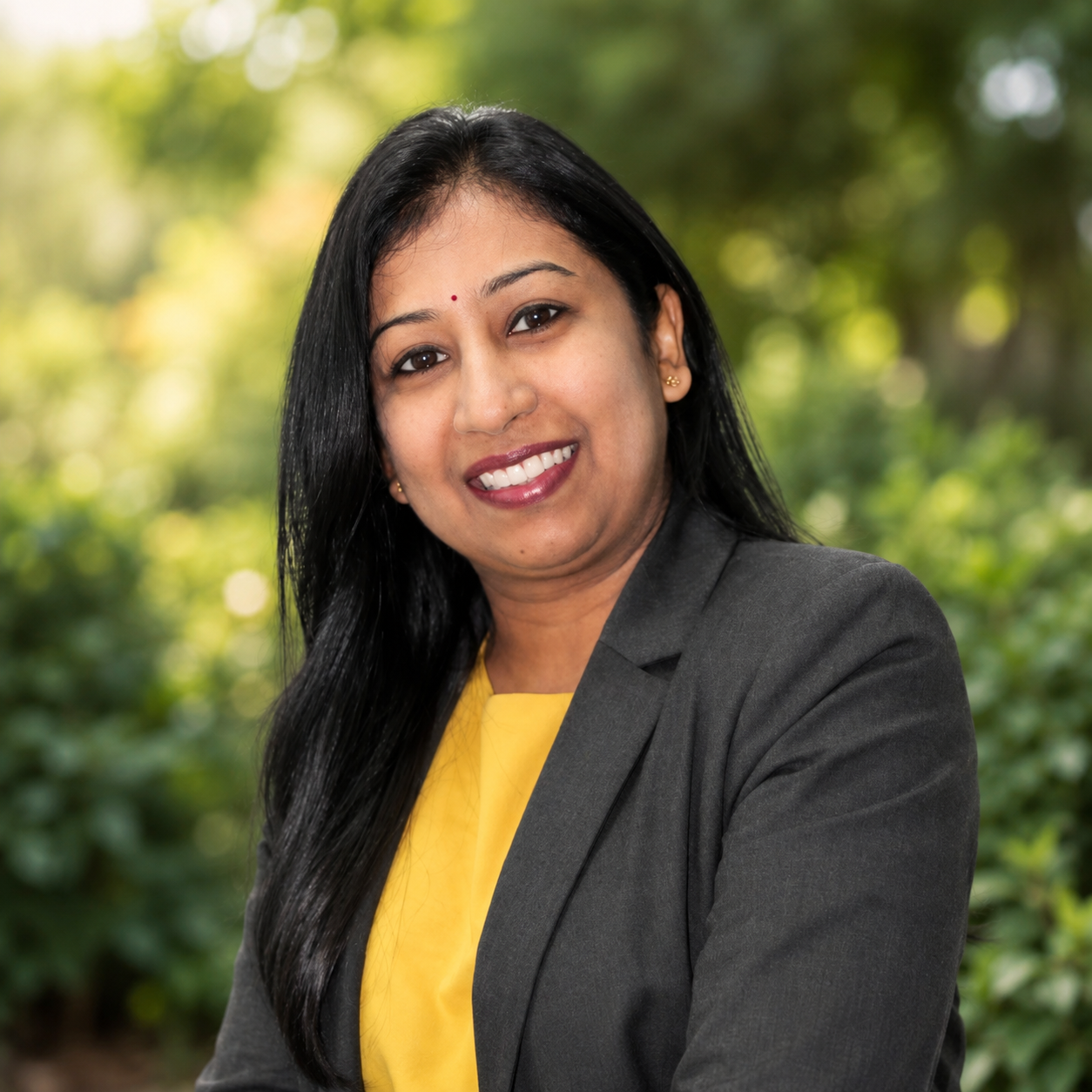
According to Dr Christina Rathy Anthony Samy, Programme Director for the MBA and MBA (100% Online), this professional diversity often deepens classroom engagement rather than weakening it. She noted that the online environment can enhance learning by connecting academic theory with practical insights from different industries and markets.

Dr Christina Rathy Anthony Samy

Dr Christina Rathy Anthony Samy

The programme’s learning model was intentionally designed around the realities of working professionals. While flexibility is important, Dr Christina emphasises that academic rigour remains central to the experience. Students engage in case discussions, collaborative projects, presentations and applied problem-solving activities that mirror the complexity of real business environments.


Rather than simply digitising traditional lectures, the programme attempts to create structured learning journeys through the Canvas learning platform, supported by Taylor’s Digital and the On-Demand Learning Study Support Team.


The intention is not merely to make education accessible online, but to design an environment where professionals can continue learning meaningfully despite geographical distance and demanding schedules.

Learning to Think Beyond Immediate Problems

One of the quieter transformations described by MBA students is not necessarily technical knowledge itself, but the way they begin approaching problems.


Professionals who have spent years working within operational environments often become highly effective at solving immediate issues. Yet leadership increasingly requires the ability to step back, recognise broader patterns and think strategically across functions, industries and markets.


Hassan experienced this shift in his own work. Through the MBA, he strengthened his strategic thinking and executive communication, which helped him lead cross-functional initiatives with greater confidence and clarity. He also began applying data-driven decision-making and modern management frameworks more deliberately in his daily responsibilities.


The change is subtle but important. The MBA experience does not simply add more information to existing expertise. It can gradually reshape how professionals frame decisions, communicate ideas and evaluate long-term organisational impact.


Dr Christina sees this as especially important within today’s business environment, where industries are being reshaped by artificial intelligence, automation and digital disruption. From her perspective, MBA education must move beyond theory by helping professionals build the strategic mindset, digital capability and leadership confidence needed to operate in a changing economy.


This is partly why the programme continues integrating areas such as analytics, digital transformation and AI-related business discussions into the curriculum. The goal is not only to teach management principles, but to help professionals understand how leadership itself is evolving.


Increasingly, organisations are not simply looking for managers who can maintain systems. They are looking for leaders capable of navigating uncertainty, understanding technology-driven change and making decisions across increasingly interconnected markets.

Why Credibility Still Matters

Flexibility may attract professionals to online learning, but credibility remains important. For many students, pursuing an MBA represents a major investment of time, energy and personal sacrifice. They want reassurance that the qualification carries academic weight and international recognition.


Taylor’s MBA was recently recognised in the QS Global MBA Rankings 2026, where it was ranked No. 1 in Malaysia, Top 20 in Asia and within the 131–140 band globally. The business school also holds AACSB accreditation, a distinction achieved by only a small percentage of business schools worldwide.


However, what stands out from Hassan and Istiaque’s reflections is that rankings are not the centre of their experience. What appears to matter more is whether the learning feels relevant, challenging and applicable to the realities they face professionally.


For working adults, education often becomes less about collecting credentials and more about gaining perspective. The value lies not only in what is learned, but in how that learning changes the way professionals see their organisations, industries and responsibilities.

The future of leadership is no longer shaped by experience alone. It demands strategic thinking, digital adaptability and the ability to navigate uncertainty across industries and markets. Discover how Taylor’s MBA (100% Online) can help you strengthen your leadership capabilities while continuing to balance your career, business and personal commitments.

YOU MIGHT BE INTERESTED
{{ item.articleDate ? vm.formatDate(item.articleDate) : '' }}
{{ item.readTime }} Min Read