Impact Labs: Eleven Stories of Change from 2025

{{ vm.tagsGroup }}

27 Jul 2026

5 Min Read

The Taylor's Team (Impact Office), The Taylor's Team (Editor)

IN THIS ARTICLE

In a meeting room on campus, members of the Deaf community watch their sign language come to life as live captions on screen. In a Kuala Lumpur housing block, residents are checking their own stairwells for standing water before anyone calls the fogging truck. In the hills of Sabah, a village that drank from a contaminated river for ten years turns on a tap, and for the first time the water is clean.


Each of these began in one of Taylor's Impact Labs. Established in 2022 and guided by the United Nations Sustainable Development Goals, each of the eleven Labs works to a purpose already set, alongside the communities it serves. They bring together academics, professionals, practitioners, partners, and students, working through social impact, community empowerment, and knowledge-to-action research.


This year's report features one flagship project from each Lab. Every story is told in full: the challenge, the team, the community, the process, and the change that followed.

The Woman Who Remembered the Weight of Water

The Woman Who Remembered the Weight of Water

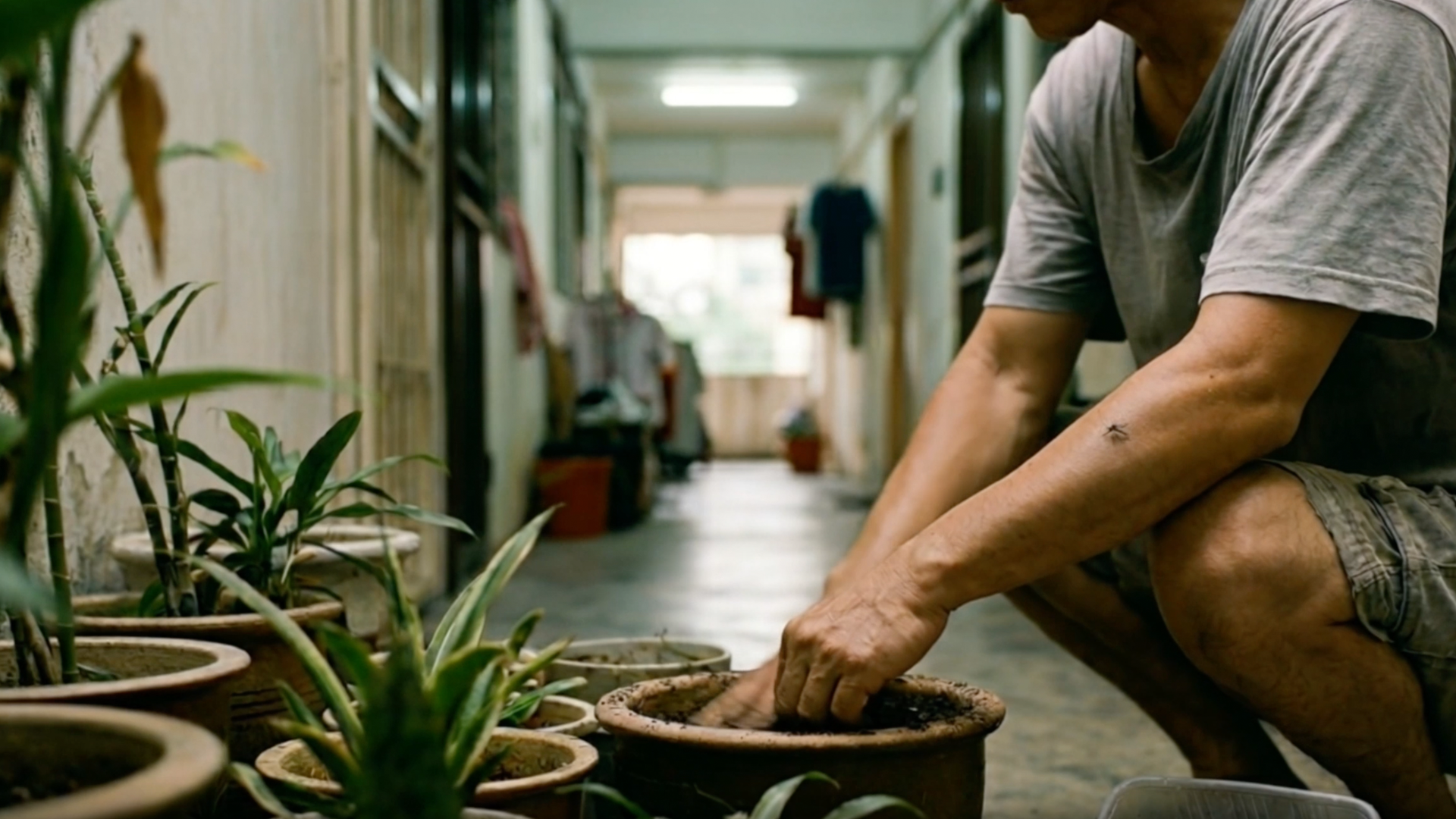
Before she was an award-winning academic, Associate Professor Dr Tamil Salvi Mari was a barefoot girl in a Perak village, carrying two buckets of water down a sandy road because the nearest tap was 200 metres away.


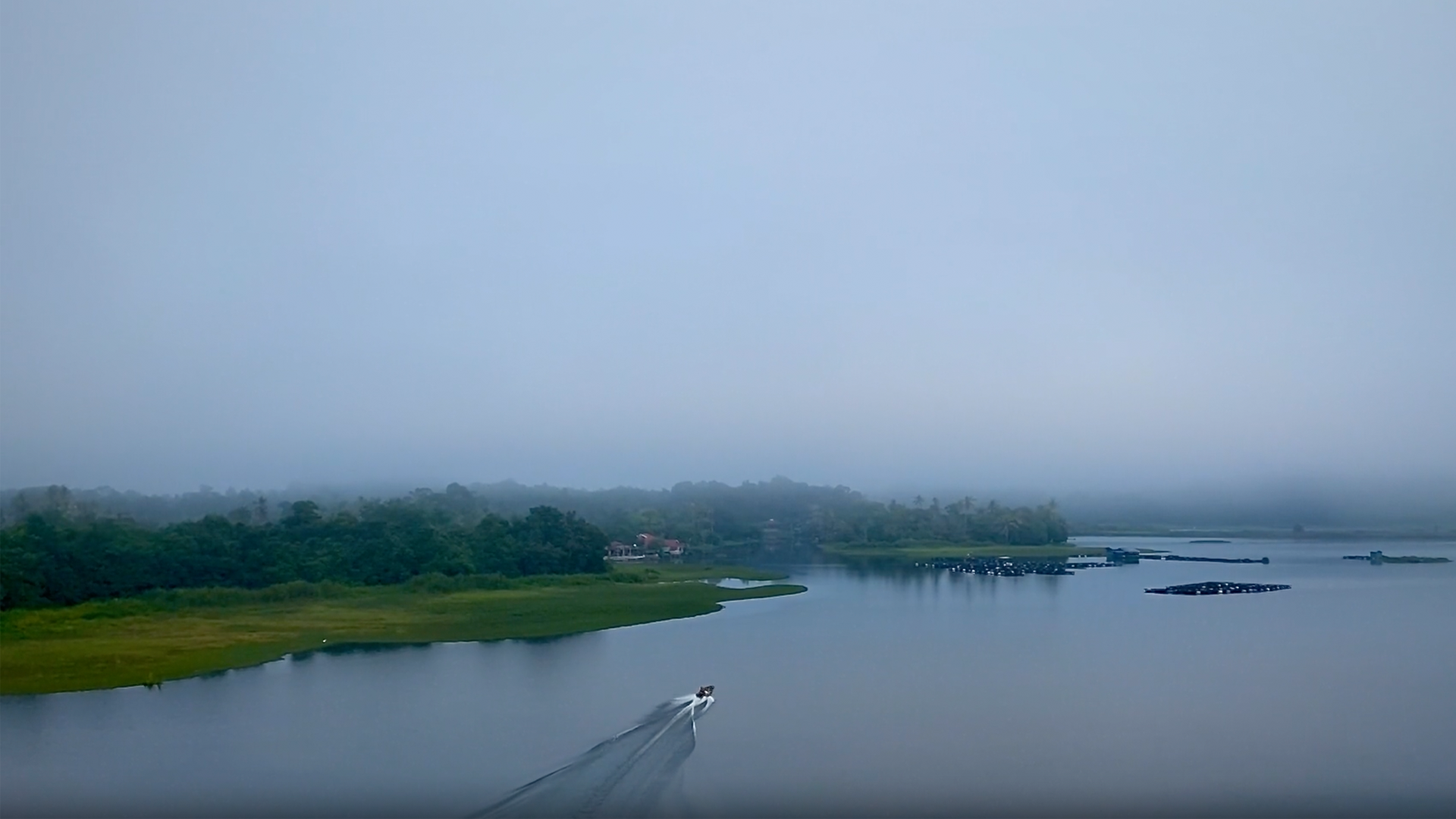
That memory stayed with her, and it resurfaced decades later when she heard about Kampung Tinata Ulu, a Sabah village of rubber tappers who had been drinking from a contaminated river for over ten years. She cold-called an NGO, assembled an interdisciplinary team of engineers and academics, and helped build a gravity-fed water system that needed no pumps and no electricity, only careful engineering and a five-kilometre pipeline through the jungle. When the water finally reached the village, grown men who had waited a decade for the moment found themselves tearing up. So did she.

Boleh, and They Proved It

Boleh, and They Proved It

For years, dengue in the public housing towers of Lembah Pantai followed the same script: outbreak, fogging truck, temporary relief, repeat.


Dr Jo Ann Andoy Galvan and Associate Professor Dr Priya Madhavan tried something else, treating the 16,000 residents as the people best positioned to protect themselves. Together with their team, they trained 88 resident volunteers and 178 floor leaders, corrected the widespread fear that reporting a dengue case would result in a fine, and turned neighbourly talk about standing water into an early warning system. A year later, one community leader could point to a striking before-and-after: over 20 cases the previous year, and a single case this year.

The Sign They Were Looking For

The Sign They Were Looking For

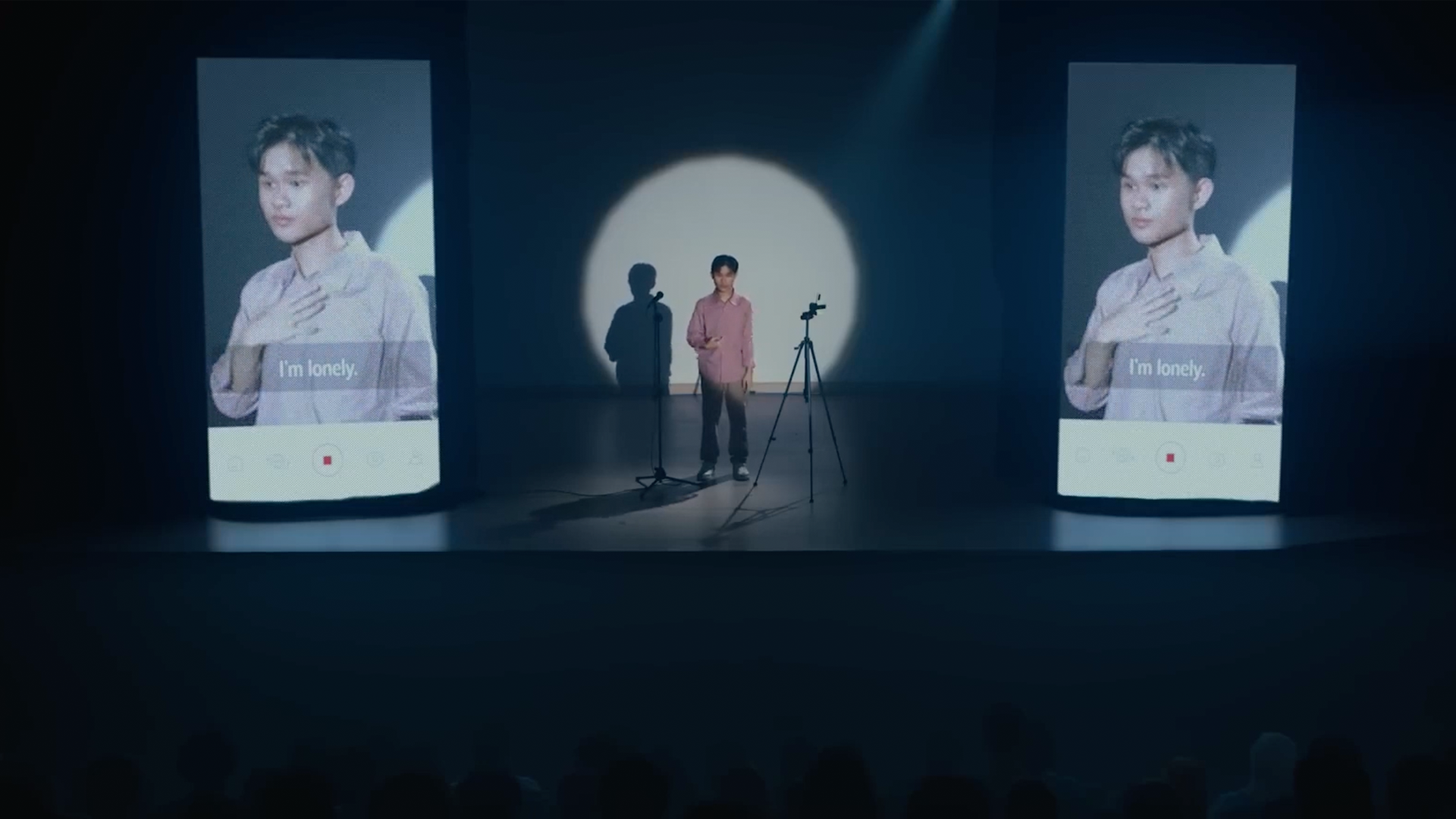
It took one sentence in a meeting to change everything. A sociologist watched a room full of people stare at the interpreter instead of Dr Anthony Alexander Chong, who is Deaf and was actually signing — and pointed out how wrong that looked.


That discomfort became the spark for TALKBIM, an app that attempts to translate Malaysian Sign Language, a language with no existing digital database to build from. American Sign Language researchers had years of annotated data to draw on. The TALKBIM team started from nothing, teaching a machine to read hand shapes frame by frame out of a textbook. The turning point came at a community workshop, when a hearing mother told the team her Deaf children finally had something that might help them fit in with other children, a moment the lead researcher credits with keeping him going when he was close to giving up.

The Ones Who Stay

The Ones Who Stay

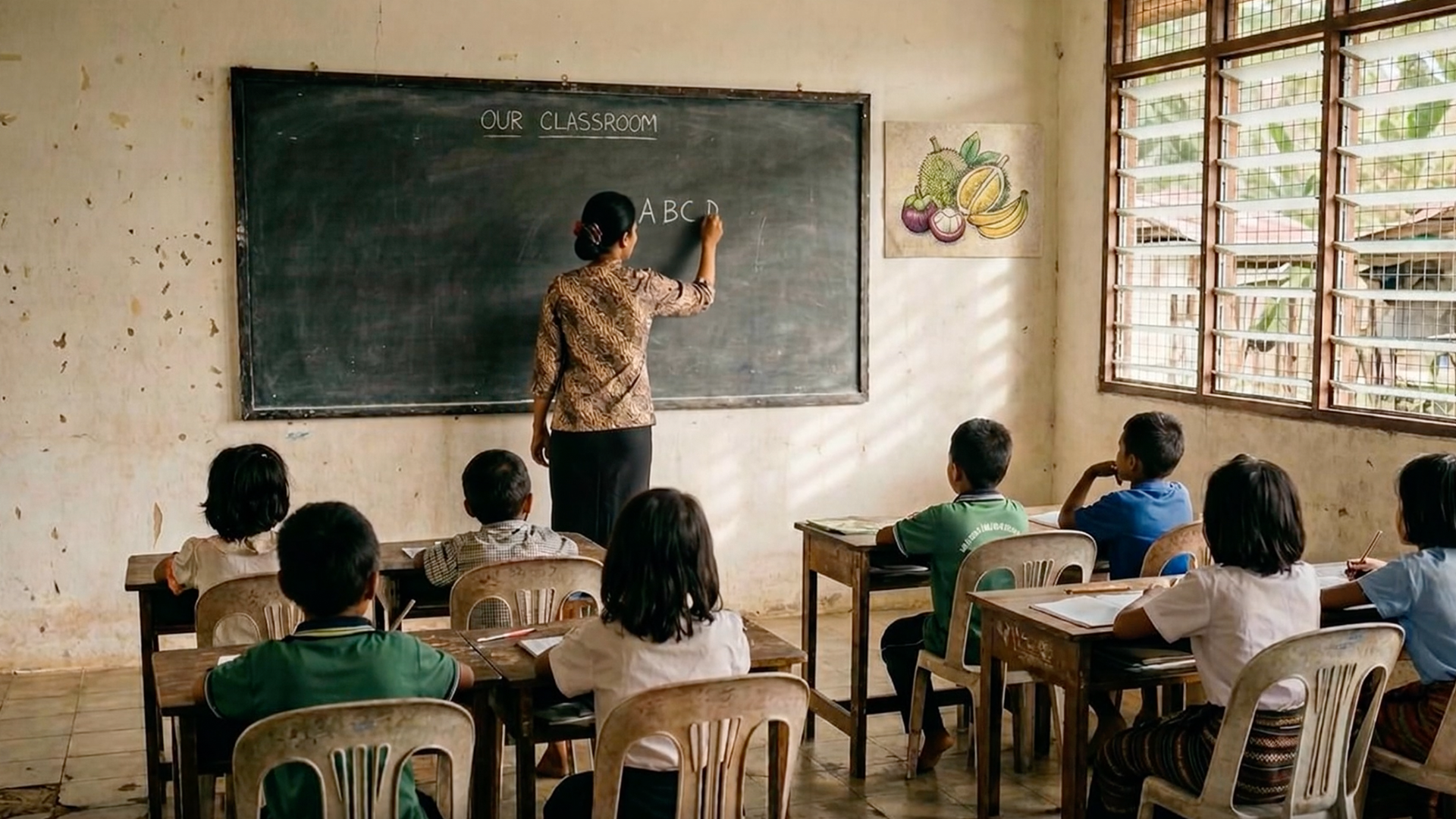
Hema Letchamanan was sitting in a seminar room at Oxford when she realised she had nothing to say about refugees in her own country. She had never known Malaysia hosted over 200,000 of them, dispersed quietly through its cities, with no camps and no access to national schools for their children.


That realisation sent her home, and eventually to The Night School Project, a six-month programme for the untrained, underpaid teachers running informal schools out of converted shophouses. Where one-off workshops fade the moment teachers return to overcrowded classrooms, Night School stays: mentors, Chromebooks, and classroom observations at a well-resourced international school. The clearest measure of whether it works shows up in the graduates who return, cohort after cohort, as trainers.

The Counsellor Who Built a Different Door

The Counsellor Who Built a Different Door

Dr Ahmad Mustaqim Yusoff had sat across from too many Malaysian teenagers, some as young as 15, who were already harming themselves, and he had reached a turning point of his own.


With one school counsellor sometimes covering 500 students, and stigma keeping the students who most need help away from the counsellor's office altogether, he partnered with Taylor's Vortex XR Lab to build MindSpace, an AI-guided virtual reality counselling space where teenagers can open up anonymously, without being seen walking through a door that marks them out. Sessions are not recorded, and the AI was trained entirely on his own curated counselling knowledge.

The UNESCO Secret Malaysia Forgot

The UNESCO Secret Malaysia Forgot

Dr Thanam Subramaniam drove into Lenggong Valley for the first time and was struck less by the ancient caves and ash-grey hills than by an embarrassing realisation: she was a Malaysian tourism academic who had never once heard of this UNESCO World Heritage Site.


A survey of her own students, 95% of them international, confirmed the pattern. Nobody had heard of Lenggong, including the Malaysians in the room. She took two cohorts, tourism and public relations students, on a single marathon field trip through caves, a lake hiding a submerged village, and a batik workshop run by artisans with autism. The resulting tourism promotion campaigns for Lenggong went on to win international tourism and PR awards, proof that some well-kept secrets need only someone willing to go looking.

When the Lift Opens to Something Beautiful

When the Lift Opens to Something Beautiful

Dr Filzani Illia Ibrahim walked into a mould-streaked community hall at PPR Seri Cempaka and felt an uncomfortable mismatch. Families gathered here every Ramadan for prayers, in a room everyone had abandoned except the people who had nowhere else to go.


That feeling became the ECHO Project, starting with upgrading the block's lift lobby where residents were brought into every decision. One resident, a former professional draughtsman, produced a lobby design good enough to stop the team in their tracks. The ceramic company NIRO donated hotel-grade tiles, residents installed everything themselves, and the space now carries an unofficial local nickname: the hotel lobby.

From One Daughter's Tears to a Global Dialogue

From One Daughter's Tears to a Global Dialogue

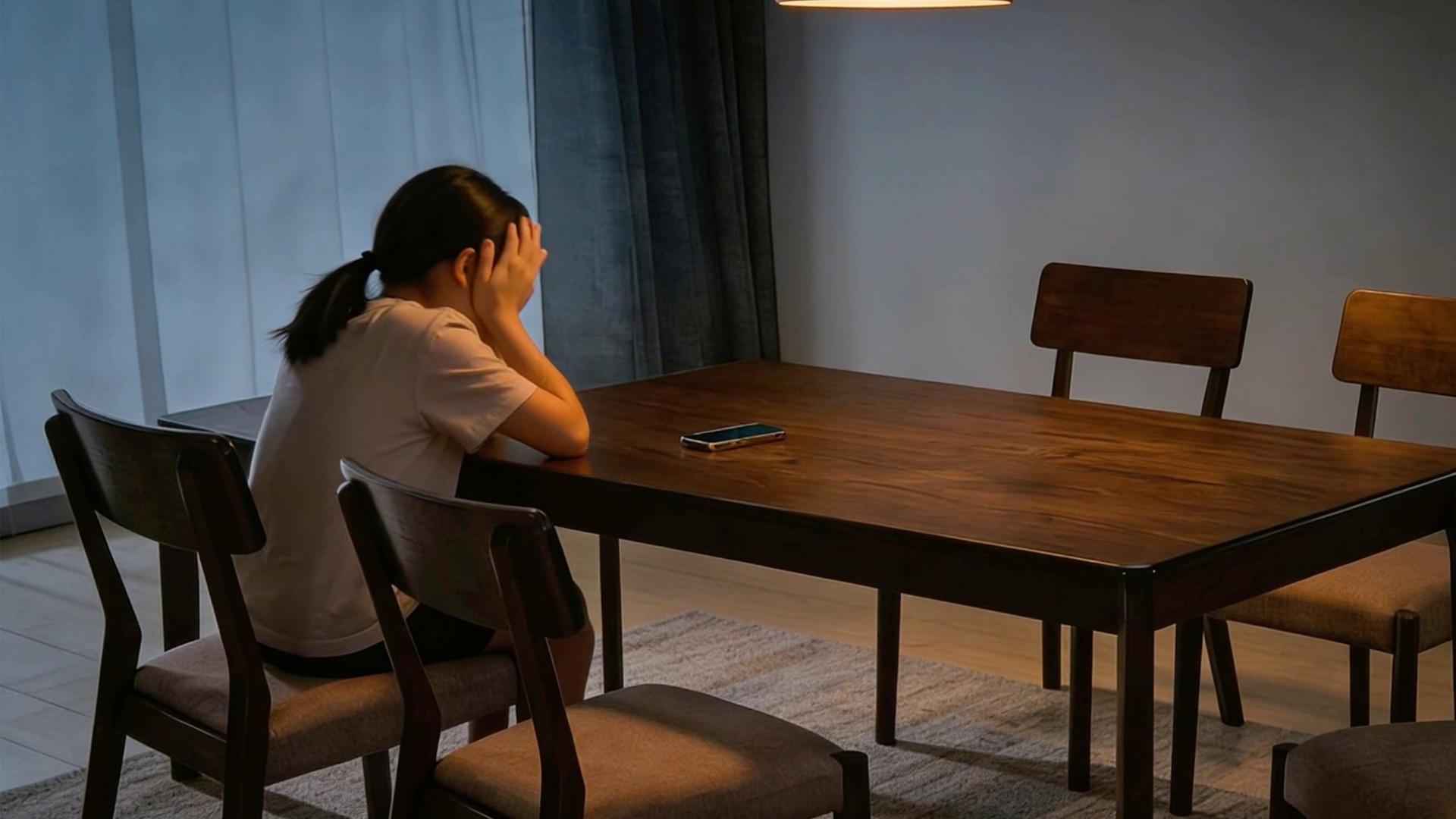
It started at a dinner table, with an 11-year-old who would not stop crying. A classmate had photographed her eating in the school cafeteria and shared it in a group chat with a cruel caption, and she found out only because a concerned friend told her.


Her mother, Dr Sia Chin Chin, a law lecturer specialising in child rights, realised in that moment that her expertise had left her with no idea what to do. The gap in her own knowledge became a mission. Her Anti-Cyberbullying Initiative has since convened legal scholars, UNICEF officials, and government regulators from across Asia and beyond. The principle now shaping the work is simple: a problem becomes a mission once it touches you personally.

Before It Happens

Before It Happens

In February 2025, a ten-year-old boy in Penang died after choking on a cheap, brightly coloured sweet bought just outside his school gate, despite rules meant to keep such stalls at a distance.


Associate Professor Dr Salini Devi Rajendran, a mother of two primary-school-aged children, had already noticed something troubling in her research: Malaysian schoolchildren generally know the food safety rules and simply do not act on them. Her team built R.A.S.A, a hands-on programme that uses glitter to simulate invisible germs and probing questions about the five-second rule to unsettle comfortable myths. A permanent hygiene display now sits in the canteen of the pilot school, and staff there report students choosing cleaner food and washing their hands unprompted.

She Showed Up Every Week

She Showed Up Every Week

Some of the women in Ibu.Niaga+ travel more than 40 kilometres each way, across a full morning of Klang Valley traffic, for a programme that costs them nothing but the journey.


Built by Norshahila Mohamad Razak and colleagues at the Eradicating Poverty Impact Lab, it teaches low-income mothers, many of them single and the sole earner in their household, to build businesses on Shopee and TikTok rather than depend on unpredictable campus bazaars. Volunteer trainers give up their Saturdays for a thank-you letter. Of a recent cohort of 12, seven reached the end, showing up every week despite the fare, the childcare, and the exhaustion. Their persistence has since opened a formal partnership with the Selangor state government.

When the Earning Stops

When the Earning Stops

Picture a tutorial room where the assessment is graded by a row of retirees holding green and red cards. That is the format Dr Chong Kim Mee built: finance students teach seniors from a nearby retirees' club about budgeting, scams, and digital banking, then get marked, bluntly, on whether they were any good at it.


The dynamic inverts the usual power structure of a classroom. The seniors hold the authority, and their approval has to be earned. For students barely out of their teens, standing in front of someone decades older and explaining retirement planning becomes an odd kind of mirror, a rehearsal for a financial life they have not yet lived. With only around a third of Malaysians meeting the most basic retirement savings benchmark by 55, and scam losses against seniors running into the hundreds of millions, the stakes in that room are far from academic.

Impact starts with small changes and grows through the people willing to sustain them. If you would like to be part of this work, we welcome you to reach out to the Impact Office at impactlab@taylors.edu.my.

YOU MIGHT BE INTERESTED
{{ item.articleDate ? vm.formatDate(item.articleDate) : '' }}
{{ item.readTime }} Min Read