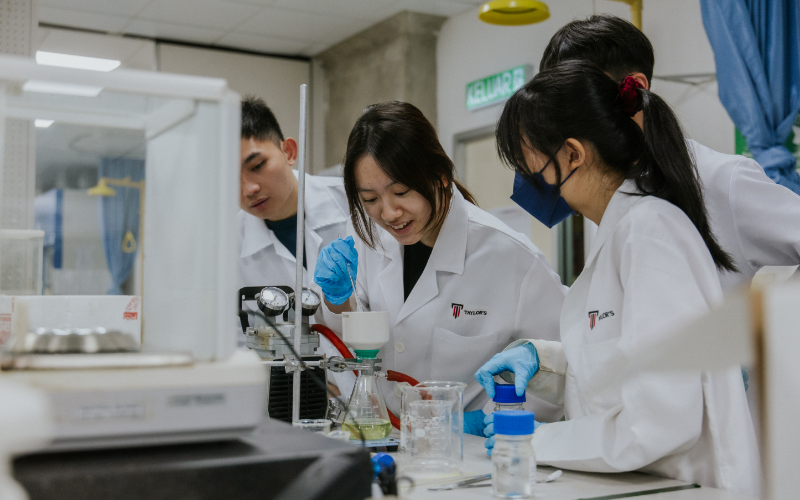
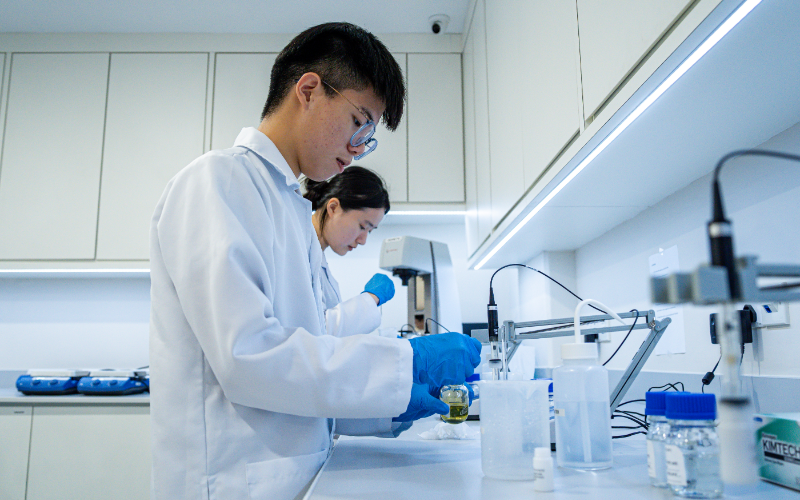
A research masters does not hand you a syllabus so much as a set of open questions inside three broad research clusters, and where you land depends on the kind of problem that actually pulls at you.
Entry requirements
There are two tiers, and which one applies to you largely depends on how far along your career already is. If your undergraduate CGPA sits at 2.75 or above, in Pharmacy or a relevant science discipline, you meet the standard entry bar outright. If it falls between 2.50 and 2.74, a minimum of two years of relevant working experience can bring you in under the second tier, with your research proposal subject to approval either way. International applicants also need an IELTS score of 6.0 or TOEFL iBT 60, valid within the past two years, with a preparatory English course available if you are not quite there yet.
Getting started
The path into a specific research area starts before you are even admitted. Every application needs a research proposal, and that proposal needs to be approved, which means identifying a direction, and a supervisor whose own work sits close to it, is part of getting in rather than something you sort out afterward.
Once you are in, the first year is anchored by a shared methodological foundation regardless of which cluster you end up in: Research Methodology modules totalling six credit hours, covering Research Method for Science alongside either Qualitative or Quantitative Research Methods, chosen according to how your specific project is designed.