What I Learnt Preparing to Study in Malaysia From Indonesia

{{ vm.tagsGroup }}

16 Nov 2026

4 Min Read

Mikay (Contributing Writer), The Taylor's Team (Editor)

IN THIS ARTICLE

When I moved to Malaysia, I had to use some of the savings I’d set aside for travel to cover my housing deposit and things I needed for the room. I’d made a spreadsheet before leaving Indonesia. I’d thought about rent and food, but I hadn’t given the cost of getting set up enough space in that budget.


I’m Mikay and I study Biotechnology at Taylor’s University. Months before the move, I was gathering documents, reading student forums and looking for accommodation. Once I arrived, I got a much better sense of which parts of the move I could have planned for and which questions I needed help with.
Choosing a Room I Could Walk From

When I compared on-campus accommodation with nearby rentals, I wanted a space of my own that was still close enough to campus to walk. I checked the walking distance, room size and utility costs, and whether I’d have a kitchen I could use regularly. Those details helped me imagine what an ordinary day would be like.


I ended up renting a room at D’Latour. I could walk to early lectures and lab practicals without having to arrange transport. The kitchen also mattered because it gave me the option of cooking my own meals. Once I was living here, I looked for nearby grocery shops and learnt to cook more. Cooking more often left me with more to spend on weekend outings.


For me, the housing decision had as much to do with how I’d get to class and feed myself as it did with the room itself. I’d check those things again if I were choosing somewhere to live today.

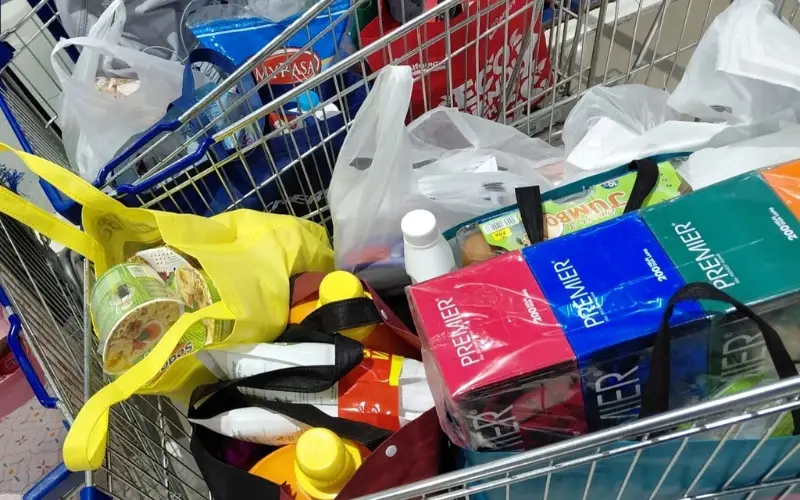
A shopping trolley holds bags of groceries and household supplies.

A grocery run Mikay shared from her time in Malaysia.

Separating Move-In Costs From Monthly Spending

The housing deposit was the biggest surprise. I also needed things like a pan, a rice cooker and clothes hangers. I used some of my travel savings to cover the move-in payments. Those expenses arrived together, before I’d had much time to settle into the routine I’d budgeted for.


If I were making the spreadsheet again, I’d split it into two sections. The first would be one-time costs such as the deposit, household essentials and any admin fees I needed to allow for. The second would cover monthly spending such as rent, groceries and daily travel. I’d look at what I needed to pay when I first got there as well as what I could afford each month.


That would have helped me see how much I needed to keep available for the first few weeks.

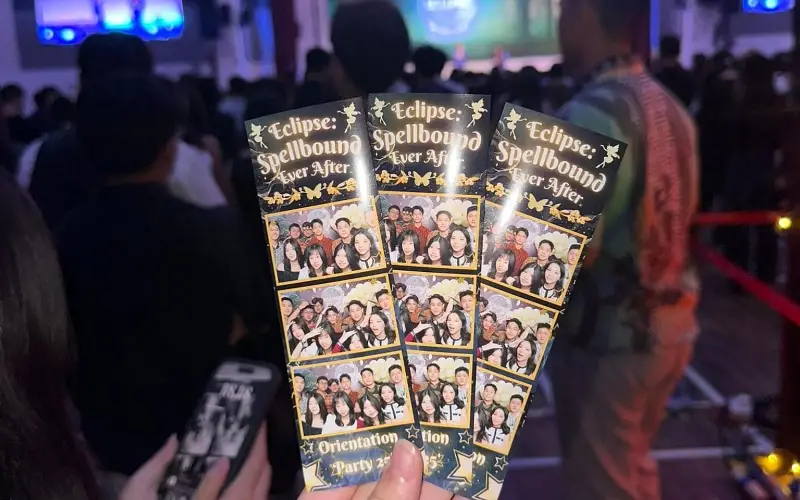
A hand holds three group photo strips in front of a lit stage.

Photo booth prints from Taylor’s orientation welcoming party.

Finding Out What to Do After Arrival

I used the EMGS mobile app to follow my Student Pass progress. One thing I was unsure about after arriving was the medical check. I didn’t know whether to arrange it myself or wait for guidance during orientation. I was new to the country and felt hesitant about approaching people with questions.


During registration, staff guided us on what to do next. I also found out I could take questions to Campus Central and the International Office. If I were planning the move again, I’d find out who to contact about each step before travelling. I’d also ask what to do if my flight arrived after my accommodation office closed.


Orientation helped me meet people. I enjoyed the welcoming party, and the biosciences briefings and lab tours gave me an early look at where I’d be studying. Outside class, friends and I shared the everyday things we were working out, from transport cards to opening a bank account. It helped to have people going through some of the same steps.

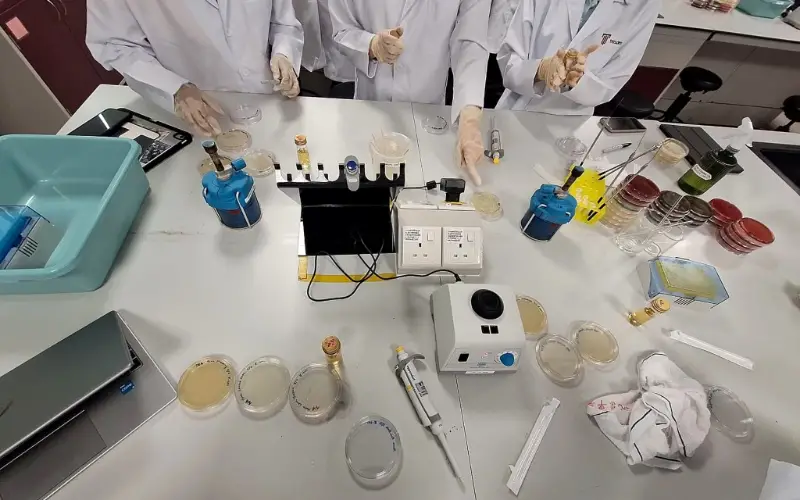
Students in white lab coats and gloves stand around a bench with dishes and equipment.

An early microbiology practical from Mikay’s Biotechnology studies.

Preparing for My Next Practical

I’d wondered before leaving Indonesia what I needed to prepare for Biotechnology. In one of my first microbiology practicals, I felt anxious because I wasn’t fully prepared for the session. We worked in small groups and were guided through the task. My group members and I encouraged one another while we got used to working at the bench.


Before the next lab, I read through the manual on Taylor’s TIMeS in advance. Having seen a practical once, I could use the manual to get a sense of how the next session would run. I felt more confident when I got to the bench, and our group felt less rushed. Reading it beforehand was one small thing I could do that made a difference to how I started the session.


If I were preparing for the move again, I’d ask about my first weeks of study alongside the things I needed to organise before travelling. I’d want to know what the first practicals are like and what I can read or do beforehand.

If you’re planning to study in Malaysia, join Taylor’s University Open Day and bring a question about something you need to arrange, from moving into your room to preparing for your first practical.

Mikay (Mikayla Jaziel) is a Unibuddy Ambassador from Indonesia studying for a Bachelor of Biotechnology (Honours). Chat with Mikay on Unibuddy.

YOU MIGHT BE INTERESTED
{{ item.articleDate ? vm.formatDate(item.articleDate) : '' }}
{{ item.readTime }} Min Read