Why I Chose Electrical Engineering With Biomedical Engineering in Mind

{{ vm.tagsGroup }}

16 Nov 2026

4 Min Read

Suravi D. Kanhye (Contributing Writer), The Taylor's Team (Editor)

IN THIS ARTICLE

In high school, I read about how biomedical devices were being developed. A wheelchair that could climb stairs was one example that made me want to understand how these devices worked. That curiosity led me to look into biomedical engineering, and when it came time to choose a degree, I had to decide which part of the work I wanted to learn first.


I’m from Mauritius and now study Electrical and Electronic Engineering at Taylor’s University in Malaysia. I chose it because I wanted to learn more about the circuits inside the kinds of devices I’d been reading about.
What Drew Me to Medical Devices

I’d always been fascinated by medicine and enjoyed biology and chemistry at school. When I thought about becoming a doctor, though, I realised the patient-facing work was a part of the job I didn’t want to do. Reading about assistive devices made me curious about the people who worked on the equipment. I visited a few shops in my area that sold medical devices, and I spent four months as an intern at a private clinic in Mauritius.


During the placement, I got to see operating theatres, consultation rooms and emergency rooms. I assisted engineers and technicians in their work and learnt more about the biomedical engineering department.

Why I Chose to Study Electrical Engineering First

I looked into studying biomedical engineering as my first degree. Some engineers whose comments I read online were sceptical about taking that route. I hesitated and started looking at other degrees, including mechanical and electrical engineering. I had a background in physics and liked working with electronics and robotics. I took some time to think through which of those interests I wanted to spend most of my degree working on.


What drew me to electrical engineering was the circuitry in the devices I was interested in. I wanted to understand how the electronics inside a piece of equipment worked and how someone might work out what had gone wrong when it stopped working. That gave me a more specific reason to choose electrical engineering. It was a part of the work I wanted to learn about even if I later decided to work outside healthcare. I still had biomedical engineering in mind. I also wanted room to explore other work if my interests changed during my degree.

What I Checked Before Choosing Where to Study

Once I had settled on the discipline, I had a different set of questions about where I could study it. I went to university fairs and compared options across three countries. I looked at what each course covered, how internships fitted into the course and what the fees would mean for me. A partial scholarship was one factor in choosing Taylor’s, as was having an internship included in my course.


I also reached out to a Unibuddy Ambassador from Mauritius. The conversation helped me get a student’s view of Taylor’s while I was making the decision from abroad. Even after that conversation, I still had some doubts when I started. I was moving to a different country and I would be one of the few women in my engineering class. Having someone to ask helped while I was weighing up the move. Some of my questions about what it would feel like to study here took time in class to answer.

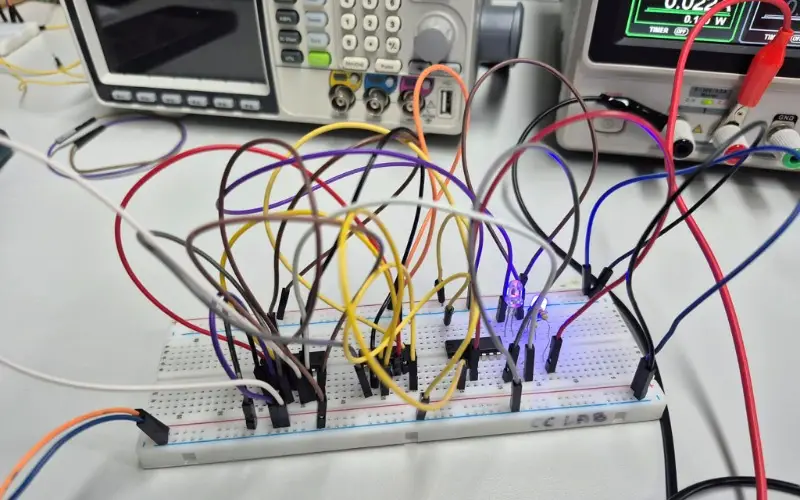
A breadboard fitted with logic gate chips is wired to instruments on a lab bench.

A circuit setup from Suravi’s engineering lab practical at Taylor’s.

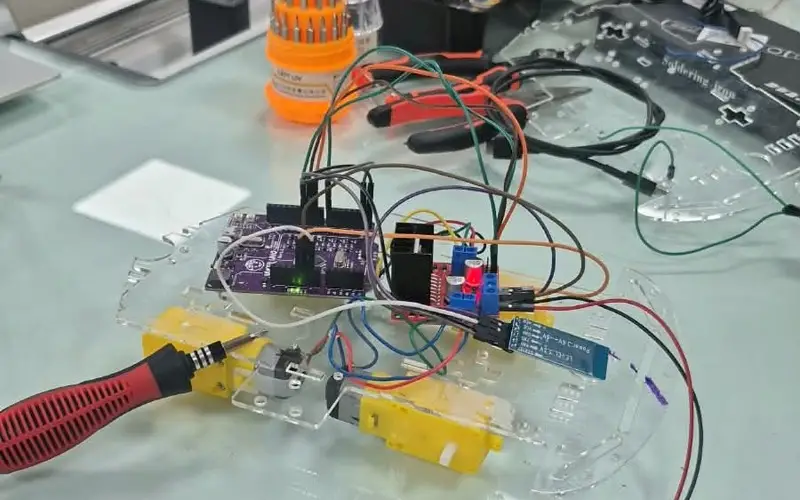
Exposed circuit boards, wires and a battery pack sit on a clear robocar chassis.

A close-up of the robocar project Suravi shared from campus.

What Circuit Practicals Taught Me

During my placement, the engineers talked to me about how much I would learn from doing projects. I started to see what they meant in my circuit practicals. The theory helped me understand what was going on in a circuit. In the lab, I also had to get used to trying something and finding that it didn’t work as expected.


Sometimes it feels like a miracle when a practical works on the first go. When it doesn’t, I have to think about what might be wrong and what I can try next. I also got hands-on experience through projects in other modules. They gave me more opportunities to work with electronics and robotics and to practise troubleshooting when things didn’t work on the first try.


If I were comparing courses again, I would ask what students actually do in a practical. I would want to hear about a project in enough detail to picture the work and understand which parts I might enjoy. That would help me decide which subject I wanted to spend time on before making a choice about where to specialise.

If you’re weighing up an engineering degree, you can join Taylor’s University Open Day and ask what you would get to work on in your first practicals and projects.

Suravi D. Kanhye is a Unibuddy Ambassador from Mauritius studying for a Bachelor of Electrical and Electronic Engineering with Honours. Chat with Suravi on Unibuddy.

YOU MIGHT BE INTERESTED
{{ item.articleDate ? vm.formatDate(item.articleDate) : '' }}
{{ item.readTime }} Min Read