The path through this programme moves in stages, from how you enter, through the research you undertake, to the thesis that closes it.
Getting In
A Bachelor of Medicine and Bachelor of Surgery with a minimum CGPA of 2.75 qualifies, as does a relevant Bachelor of Science with Honours at the same threshold. Candidates between 2.50 and 2.75 are considered through internal assessment, and those with a lower CGPA but at least five years of relevant working experience can also apply. Each route asks for an approved research proposal, which is where your intended work begins to take shape well before you set foot on campus.
Your Research Journey
This is a research degree, not a taught one. Rather than weekly lectures marching toward a final exam, you spend most of the programme inside a single sustained investigation, supervised by faculty who work in the area you are entering. You find a question early through your research proposal, and from there, your day-to-day work is shaped entirely by that thesis topic and the cluster it sits within.
Cellular and Molecular Biology
This cluster is about understanding how the body operates at its smallest scales, and how that understanding becomes a therapy. You might work on cellular and molecular biology or medical genetics, tracing how a mutation or a signalling pathways influence health and disease, or on biochemistry, characterising the molecular interactions that underlie a biological process and its consequences.
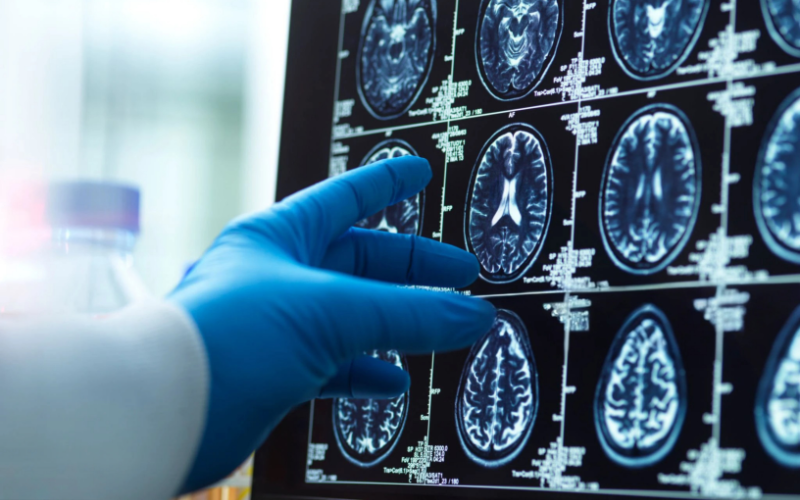
Microbiology and immunology carry weight here after a decade in which infectious disease reshaped global health, with immunology becoming one of the most active areas in medicine, with a large share of new therapeutic trials now aimed at immune conditions and how they are treated. Pharmacology extends into treatment, testing how a compound behaves once it meets a living system, and neuroscience carries it into the areas of the body still least understood, where some of the most consequential unsolved problems in medicine remain. These are some examples of the breadth of this area and the choices available to a potential student researcher.
Population, Ageing, and Translational Research
This cluster moves outward, toward how disease behaves across whole populations and lifetimes, and how discoveries actually reach the people who need them. Research into ageing has become urgent as populations grow older and the burden of age-related conditions rises. Infectious and non-communicable disease research addresses the two halves of the modern disease landscape at once, the communicable threats that move quickly and the chronic conditions that may accumulate more slowly.