School of Law and Governance and DHRRA Malaysia Host Our Voice, Our Community for Grassroots Leaders

{{ vm.tagsGroup }}

23 Sep 2026

6 Min Read

Dr Sia Chin Chin (Academic Contributor), The Taylor's Team (Editor)

IN THIS ARTICLE

When a bus stops turning up on time, most people can tell something is wrong long before they know whether the fault lies with the transport operator, the local council, or their elected representative, and even longer before they know which of the three to actually approach to solve the issues related to it.


That gap, between recognising a problem and knowing where to take it, was the starting point for Our Voice, Our Community (‘Suara Kita, Komuniti Kita’), a full-day programme which is co-funded by the European Union and co-organised by Taylor’s University’s School of Law and Governance on 2 September 2026 in collaboration with the Development of Human Resources for Rural Areas (DHRRA), Malaysia, at Taylor’s Lakeside Campus. Its official Malay title translates as ‘Strengthening Women and Youth Leaders in Malaysian Grassroots for Enhanced Participation in Inclusive Governance and Development Initiatives,’ and its structure, moving from legal literacy in the morning to community-level advocacy planning by the afternoon, was built around that gap.
Law, Governance and the Grassroots

DHRRA Malaysia has worked with rural and vulnerable communities since 2006, on issues that range from statelessness to community self-reliance among women and youth. Suara Kita, Komuniti Kita brought that community-facing work together with the School of Law and Governance’s academic grounding in law and institutions, on the premise that recognising a community problem and having a legal or procedural route to act on it are two different things. The day was designed to close some of that gap: participants moved from understanding how the legal and governance system works, to identifying an issue in their own communities, to setting out the change they wanted to see from it.

Understanding the System, and Using It to Create Change

Following registration, the programme opened with remarks from Ms Hema Prakasini Manivannan, who represented Dato’ Saravanan M. Sinapan, President of DHRRA Malaysia. The opening set out the shared basis for the day ahead: a School of Law and Governance dialogue on the legal and institutional system, followed by DHRRA-facilitated activities that asked participants to apply that understanding to problems in their own communities.


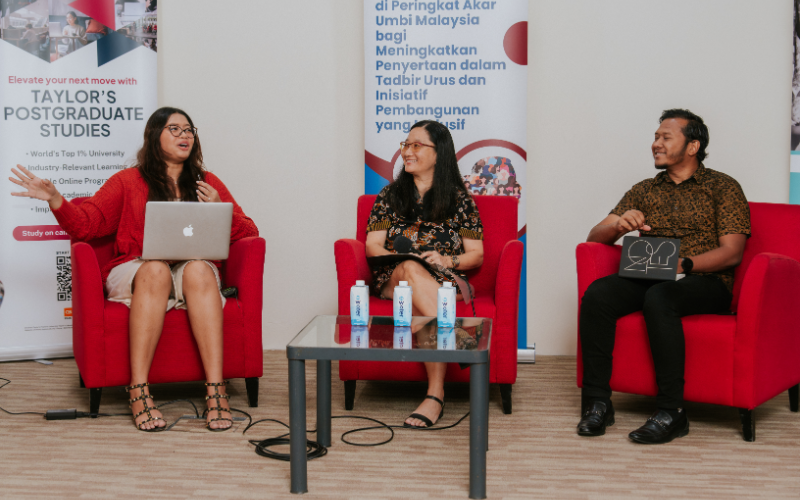
The centrepiece of the morning was a moderated dialogue with two invited experts, Dr Sia Chin Chin from Taylor’s School of Law and Governance and Encik Tarmizi Anuwar from Consumer Choice Center, which was deliberately framed as a conversation instead of a lecture. Opening the session, moderator Ms Chuah Joe Ann (Legal Officer at DHRRA) informed participants that the dialogue was not a test of what they already knew about law or governance, but a space to share and exchange knowledge and experience. The room deliberately brought together people from very different backgrounds, some familiar with these topics and some not, in order to enable knowledge exchange and the integration of legal empowerment across multiple communities at the grassroots level among women and youth.

Moderator Ms Chuah Joe Ann with Dr Sia Chin Chin and Encik Tarmizi Anuwar seated on stage during the dialogue session

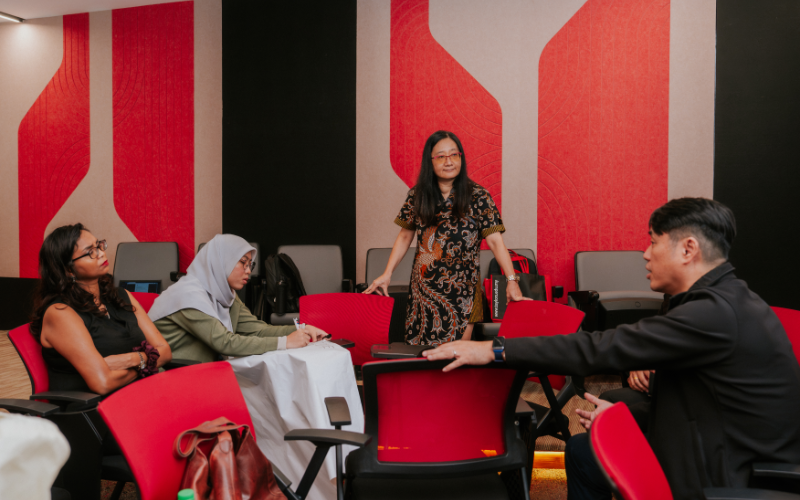
Dr Sia, Programme Director for the Master of Laws and Master of Laws in Healthcare and Medical Law programmes at Taylor’s University, opened the dialogue by addressing what law, rights and the Malaysian Constitution actually mean for someone going about daily life, and how an ordinary person can work out which level of government or institution is responsible for a given community problem.

Dr Sia Chin Chin speaking with participants seated in the audience during the dialogue

One exchange used a simple show of hands: when asked whether Parliament’s main job is simply to pass laws, most of the room raised their hands, and Dr Sia used the moment to open up a wider discussion of what Parliament and other institutions do beyond legislating, and where a community concern might actually sit within that structure. A recurring thread through this half of the dialogue was that approaching the wrong institution or person in charge first may leave a community with little direct recourse until the matter is redirected to the correct authority, which is itself often the first real obstacle to getting an issue addressed.


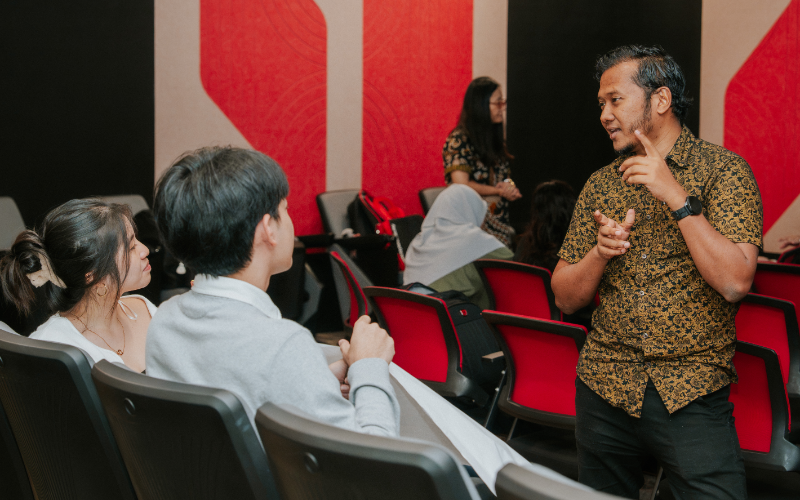
Encik Tarmizi picked up from there, moving the discussion from understanding institutions to acting within them. He addressed how someone with a specific community issue might work out who to approach and how to build their case, considered whether participation in a democracy is limited to voting, and examined when a complaint becomes something closer to advocacy, contrasting simply expressing dissatisfaction with a more strategic effort built on evidence, allies and a defined target.

Encik Tarmizi Anuwar gesturing as he addresses participants during the dialogue

Discussion also returned to inclusion, specifically why women, youth and other underrepresented groups need to be part of that process from the outset rather than added to it afterwards. The dialogue closed with a scenario put to the floor: a hypothetical community dealing with an unreliable bus service, where residents disagreed on whether the responsibility lay with their member of parliament or the local council. Participants were asked what they would need to find out before deciding who to approach, and what they would do once they had.

From an Issue, to an Action, to a Clear Ask

After a short break, Dr Sia and Encik Tarmizi jointly shared findings from a community survey, intended to give participants a factual picture of existing levels of knowledge, experience and involvement in their own communities before the day moved into its more participatory segments.


Three linked activities followed. The first asked participants to name a specific issue or challenge closest to their own community, prompted by questions about what problem recurs, who is most affected by it, and why it matters. The second moved from issue to response, asking participants to consider what action their community could realistically take, who would need to be involved, and whether government, an NGO or an elected representative had a part to play. The third and final activity asked participants to articulate, for the issue they had identified, the specific change they wanted to see: what they wanted from government or their elected representative, and how women and youth specifically wanted to be involved in bringing that change about. The day closed with a group photograph and an evaluation session.

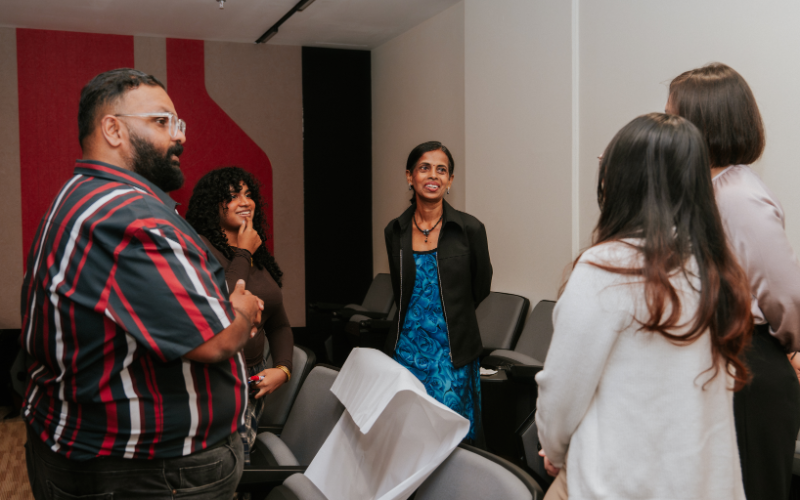
Participants standing in conversation with a speaker between sessions of the programme

What Comes Next

Suara Kita, Komuniti Kita reflects an ongoing role for the School of Law and Governance in bringing legal and governance literacy to communities beyond the university, working alongside organisations such as DHRRA Malaysia that engage directly with grassroots leaders.

For students like you who want to be part of that kind of work, whether through advocacy, policy or public service, a legal education is often where it starts. The School of Law and Governance offers the grounding in law, rights, politics, philosophy, economics and institutions that this day’s dialogue drew on, for students who want to put it to work in their own communities.

YOU MIGHT BE INTERESTED
{{ item.articleDate ? vm.formatDate(item.articleDate) : '' }}
{{ item.readTime }} Min Read