Diplomacy in a Changing World: Germany's Ambassador Shares Perspectives at Taylor's Distinguished Diplomat Series

{{ vm.tagsGroup }}

27 Nov 2026

5 Min Read

Dr Andrea Passeri (Academic Contributor), The Taylor's Team (Editor)

IN THIS ARTICLE

Welt means 'world' in German, but understanding today's world takes much more than knowing its vocabulary. In an increasingly interconnected yet unpredictable landscape, diplomacy calls for an understanding of shifting geopolitical dynamics, evolving international relationships, and the ability to adapt to change.


This was the focus of the 6th episode of Taylor's Distinguished Diplomat Series (DDS), which welcomed Her Excellency Silke Riecken-Daerr, Ambassador of Germany to Malaysia, on 12 November 2026.


Hosted by Ambassador Dato' Dr Ilango Karuppannan, Adjunct Professor at Taylor's University and Convener of the Distinguished Diplomat Series, the session brought together university leadership, academics, and students from the Bachelor of Social Science (Honours) in International Relations (BSSIR) programme for an engaging discussion on Germany's international relations, its longstanding engagement with the Association of Southeast Asian Nations (ASEAN), and its bilateral relationship with Malaysia.
 

Understanding Diplomacy Beyond Borders

A key message from the conversation was that diplomats must remain lifelong learners. As the geopolitical environment, technology, and cultures continue to evolve, those working in diplomacy must constantly update their knowledge and adapt to new circumstances.


Drawing on her professional experience across different countries and institutions, Ambassador Riecken-Daerr highlighted the intellectual flexibility required to navigate the diplomatic profession. Her career, which has included bilateral postings and roles connected to German foreign-policy institutions, the European Union (EU), and the North Atlantic Treaty Organization (NATO), illustrated how international relations professionals must be prepared to work across different policy areas and institutional environments.


The discussion also explored Germany's substantial economic and cultural presence in Malaysia, as well as its longstanding engagement with ASEAN. The Ambassador highlighted the importance of understanding the differences between ASEAN and the EU, cautioning against treating the two regional organisations as equivalent.


Although Germany maintains deep relations with ASEAN, its engagement with Southeast Asia is not driven by competing spheres of influence. Instead, the relationship reflects sustained regional dialogue and bilateral partnerships, including strong economic and industrial cooperation with Malaysia.


This distinction offered students a broader perspective on how international relationships operate, while reinforcing the importance of understanding regional institutions according to their own purposes, structures, and approaches.

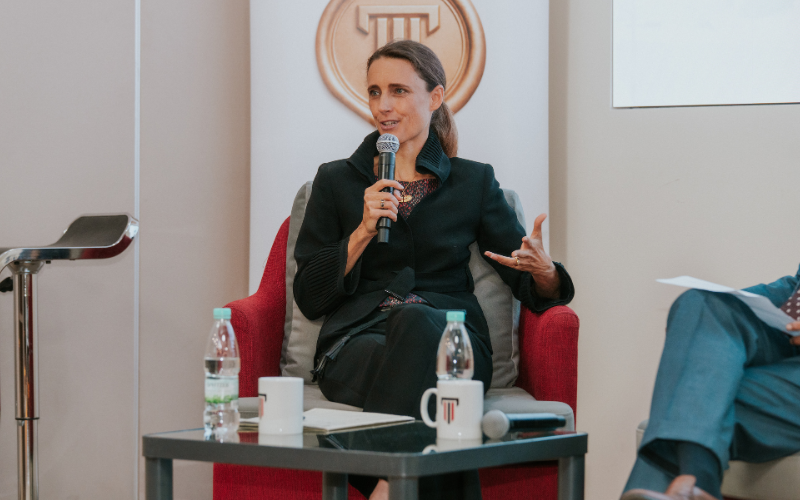
Germany's Ambassador Silke Riecken-Daerr delivering her talk at Taylor's Distinguished Diplomat Series

The Nuances of Public and Private Diplomacy

Another notable aspect of the discussion was the distinction between public diplomatic communication and private negotiations.


When a student asked whether a government's public statements could differ from its positions during private negotiations, Ambassador Riecken-Daerr explained that the language used in public diplomatic statements and communiqués can differ considerably from discussions behind closed doors.


Private exchanges are often more direct and pragmatic, reflecting the nature of diplomatic negotiations and the need to navigate complex international interests.


The exchange offered students a practical perspective on how diplomacy works beyond formal statements and public announcements. It also highlighted the importance of understanding the different ways governments communicate and negotiate when managing international relationships. 


The conversation further touched on Germany's representation in Malaysia and its coordination with other national embassies and the EU Delegation. As certain areas of external engagement are handled at the European level, diplomatic work involves coordination across national and European institutions.


For students, these insights demonstrated that diplomacy is not confined to individual countries or bilateral relationships, but often involves navigating multiple layers of international cooperation.

Students at the Centre of the Conversation

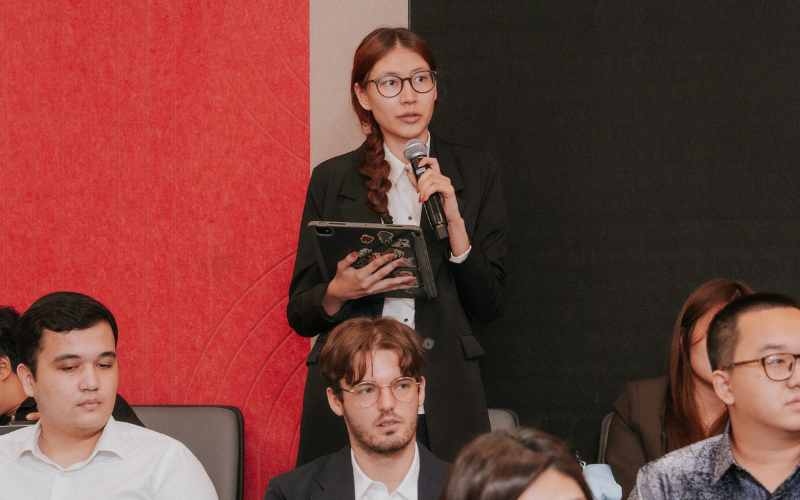
Audience engaging in a discussion on diplomacy and international relations at Taylor's University

Student participation was a defining feature of DDS6, with the Q&A session creating opportunities for direct engagement between future international relations practitioners and a serving diplomat.


Rather than simply listening to the Ambassador's experiences, students posed thoughtful questions about the realities of diplomatic work, international negotiations, and the changing geopolitical landscape.


Their engagement reflected an ability to connect academic concepts with practical questions about how international relations unfold. Ambassador Riecken-Daerr also expressed her appreciation for the quality of the students' contributions following the session.


The episode also saw BSSIR student Luyando Mweemba Nkwemu take on the role of Master of Ceremonies, giving students an active role in facilitating the programme.


These opportunities demonstrate the value of creating academic spaces where students can engage directly with international practitioners, develop their confidence, and strengthen their understanding of global affairs through meaningful dialogue.

Six Episodes, One Continuing Conversation

Since its inaugural session in May 2025, the Distinguished Diplomat Series has brought students into conversation with senior diplomatic representatives from Singapore, ASEAN, the United States, India, and Japan. With Germany joining the series for its 6th episode, the initiative continues to broaden students' exposure to different diplomatic perspectives and international relationships.


For the BSSIR programme, the series provides a valuable platform to connect classroom learning with the experiences of those working in international diplomacy. It allows students to examine international relations beyond academic theories and engage with the people responsible for navigating the complexities of global affairs.


The continued participation of senior university leadership and the diplomatic community also reflects the University's commitment to fostering meaningful international engagement within its academic environment.


Ultimately, DDS6 reinforced an important lesson for aspiring international relations professionals: a career in diplomacy requires curiosity, adaptability, and a willingness to keep learning. By bringing students into direct conversation with experienced diplomats, Taylor's University continues to create opportunities for the next generation to understand, question, and engage with the world around them.


The next episode of the Distinguished Diplomat Series is planned for early 2027.

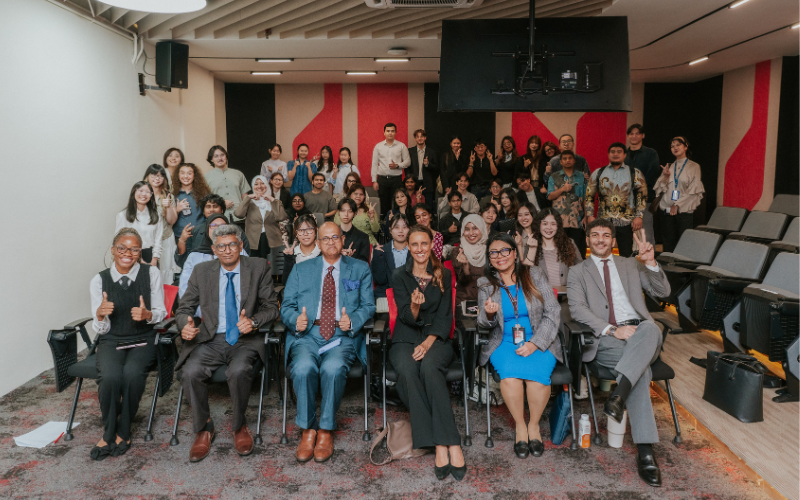
Group photo of Germany's Ambassador Silke Riecken-Daerr and attendees at Taylor's Distinguished Diplomat Series

The Distinguished Diplomat Series is a flagship initiative of the Bachelor of Social Science (Honours) in International Relations at Taylor's University, designed to connect students directly with ambassadors, senior diplomats, and foreign policy practitioners.

YOU MIGHT BE INTERESTED
{{ item.articleDate ? vm.formatDate(item.articleDate) : '' }}
{{ item.readTime }} Min Read