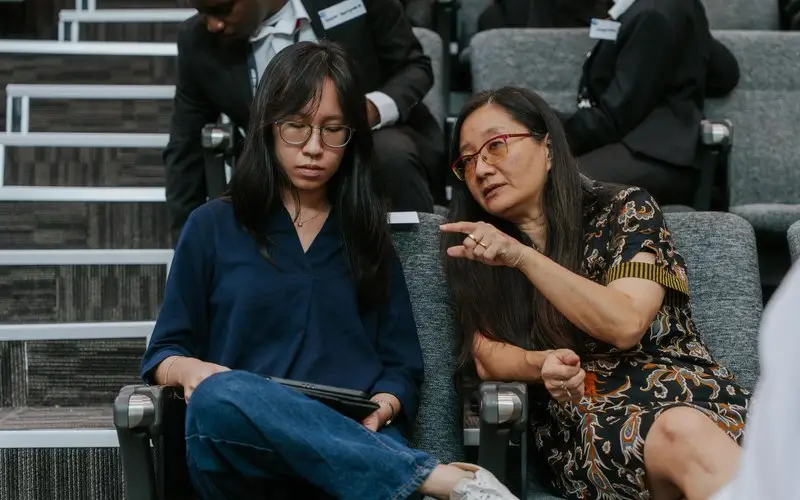
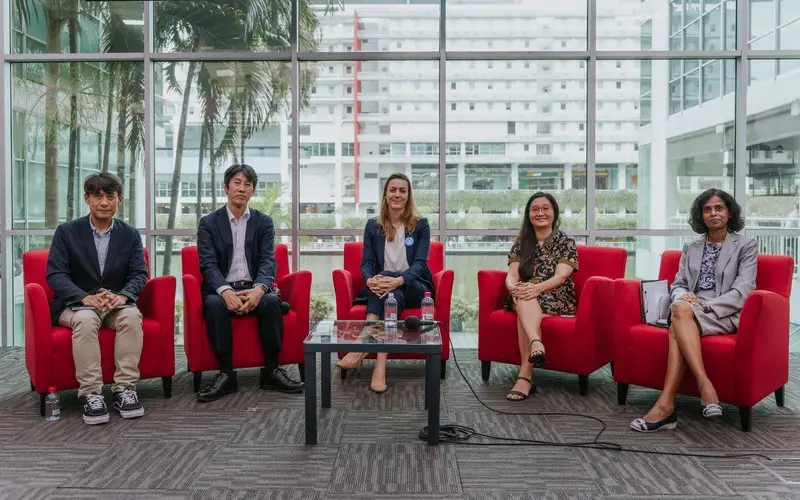
GET is a new scheme from MOHE that supports high-risk, high-impact research on national priorities. Applicants are also asked to explain the value their research will return in policy influence, societal impact and capacity building. For Dr Sia, the funding means 'an affirmation of collective responsibility'. Through GET, she said, her experience as a parent can grow into 'research, dialogue, and solutions that can benefit many others who may be as uncertain as me when I started the project'.
Malaysia is a signatory to the United Nations Convention on the Rights of the Child, which recognises the responsibility to give children a safe environment, and the project extends that discussion to the digital world. The comparison is expected to produce evidence-based recommendations that could inform law reform, regulation and child protection policy. Parents, schools and communities should get clearer guidance on recognising, reporting and responding to cyberbullying, which supports earlier intervention.
The study will produce an evidence-based framework that brings legal, educational and child protection perspectives together, and Dr Sia hopes it gives families something to pick up on the hardest evening: a practical guide to what to do when cyberbullying happens. Schools will gain clear protocols for stepping in and supporting students, and policymakers will receive recommendations drawn from international practice. Along the way, the team will publish research papers and policy briefs, hold workshops with stakeholders, and create media and artwork to carry the message further. Where young people and families take part directly, the research follows approved ethics protocols, with consent and safeguarding measures in place.
For a young person who meets cyberbullying now, her advice is to speak first to a school counsellor or a trusted parent or guardian. 'I hope all of us remember that behind every statistic is a child sitting at a dinner table, trying to make sense of something that has deeply hurt them,' she said. 'If this research helps us respond with greater understanding, faster support, and better protection, then it will have achieved its purpose.'