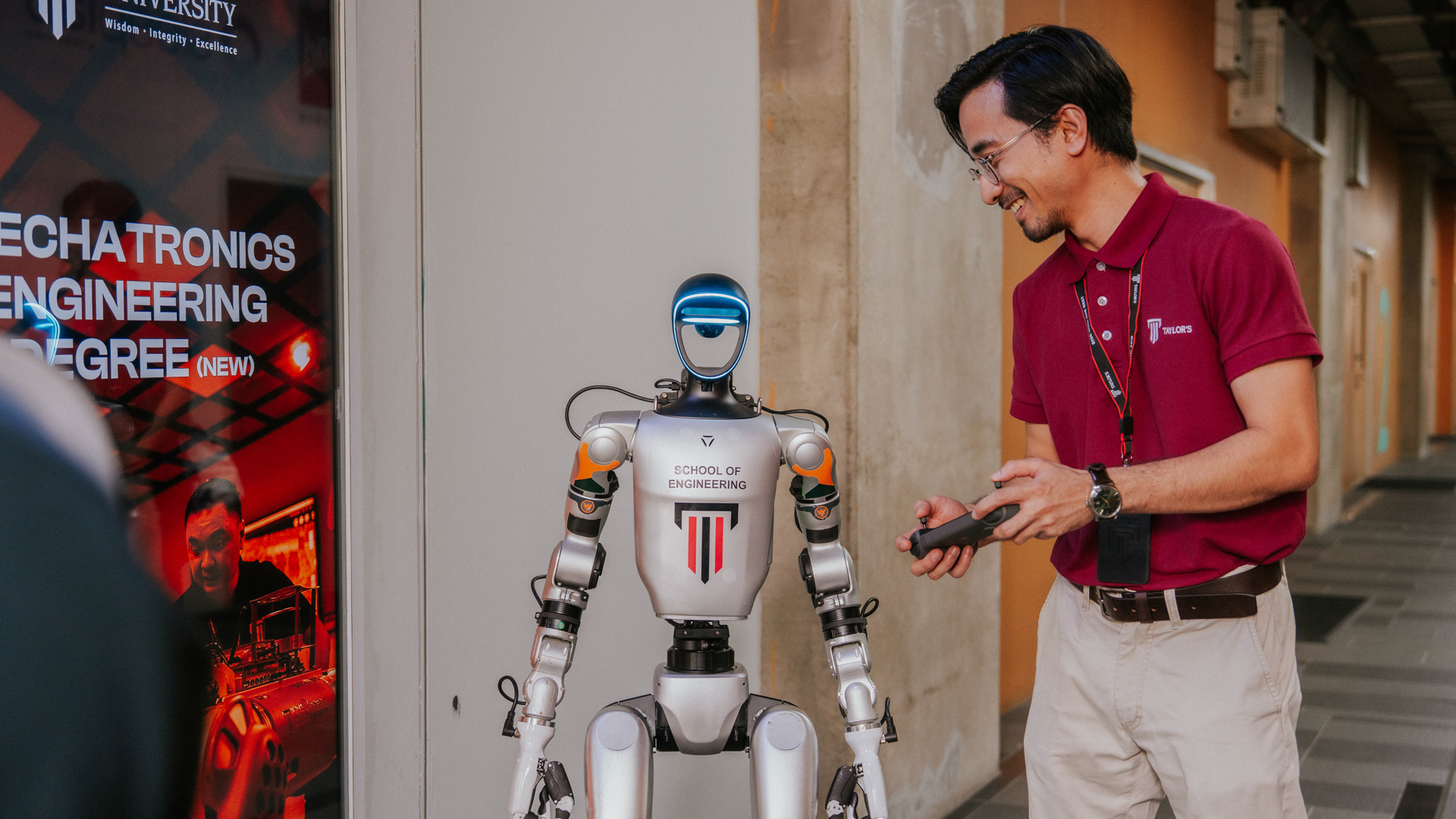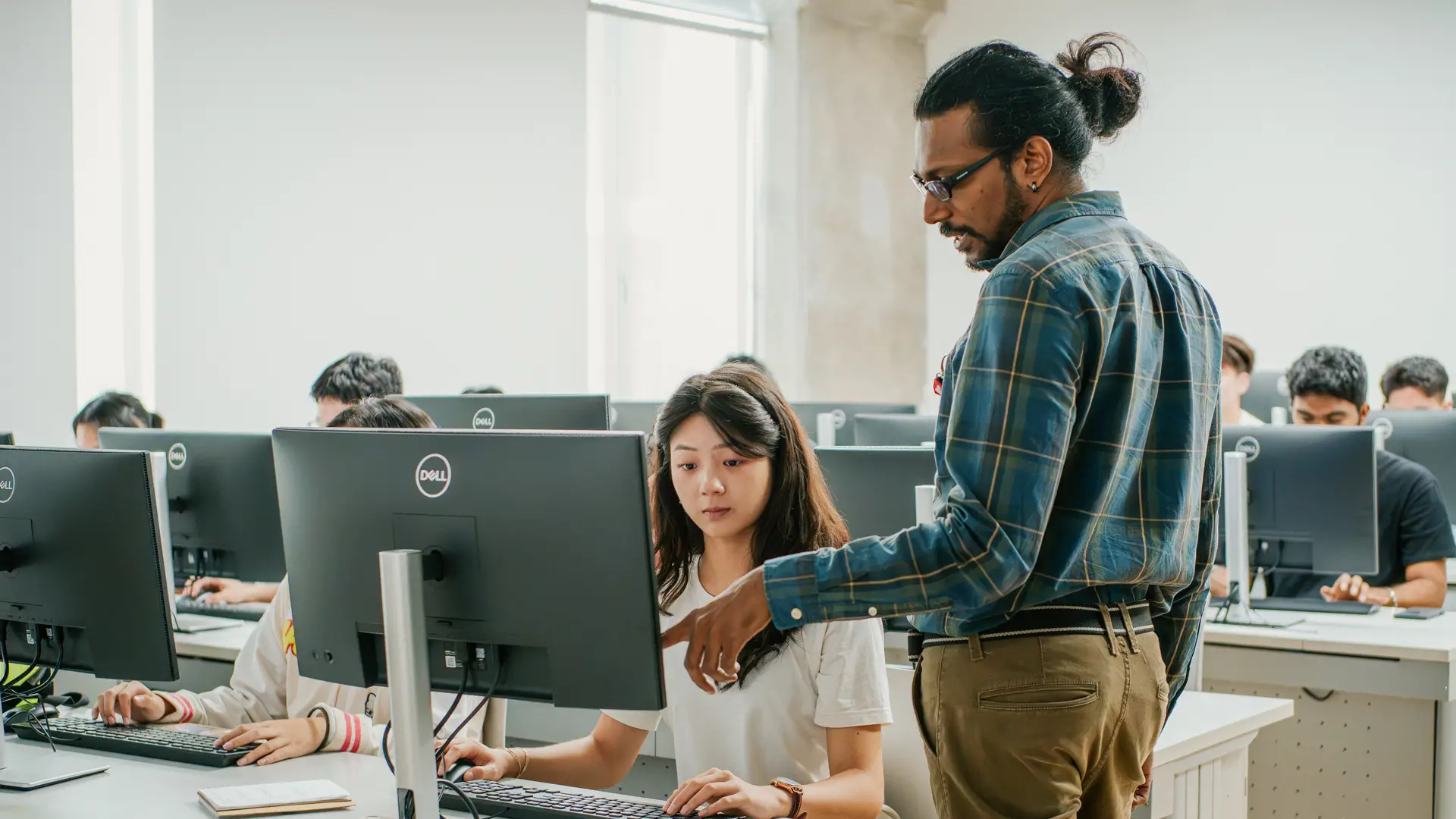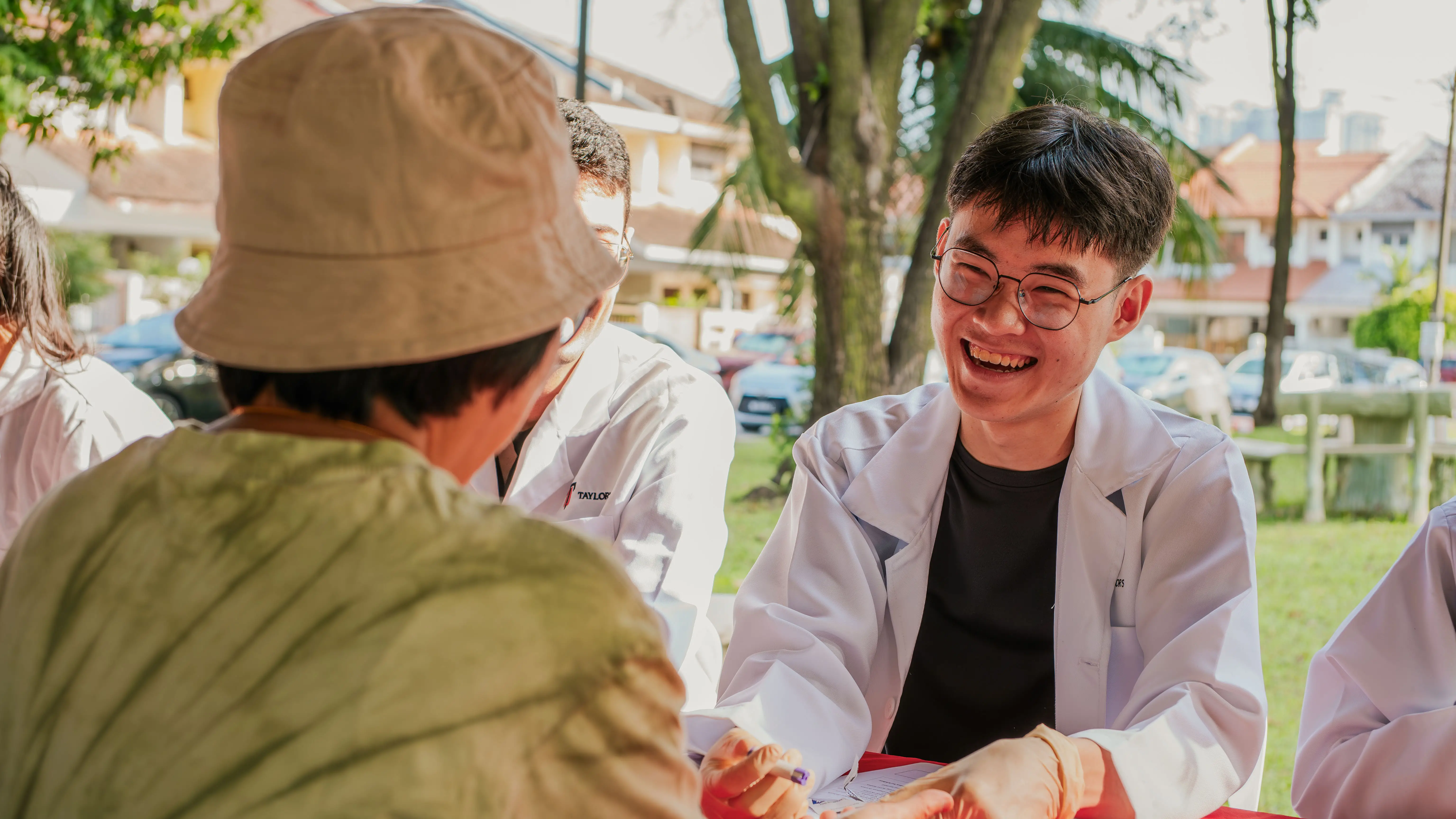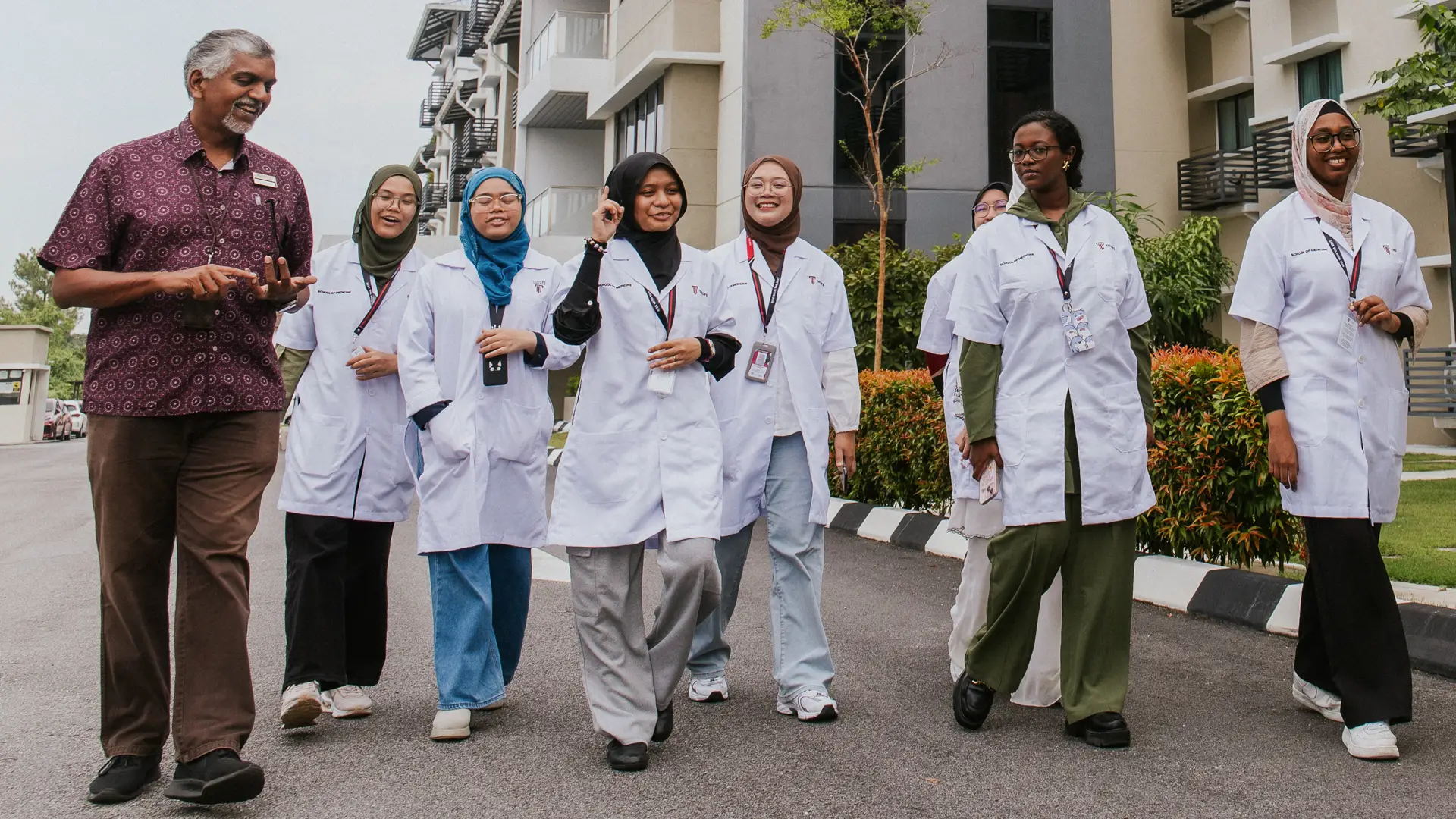
SCHOOL OF ENGINEERING

Taylor's School of Engineering is the first in Southeast Asia to adopt the CDIO™ Initiative and register with the Grand Challenge Scholars Programme (GSCP), enabling us to apply these approaches to create engineers who are able to meet the real-world demands of their profession and provide solutions for the betterment of humankind.


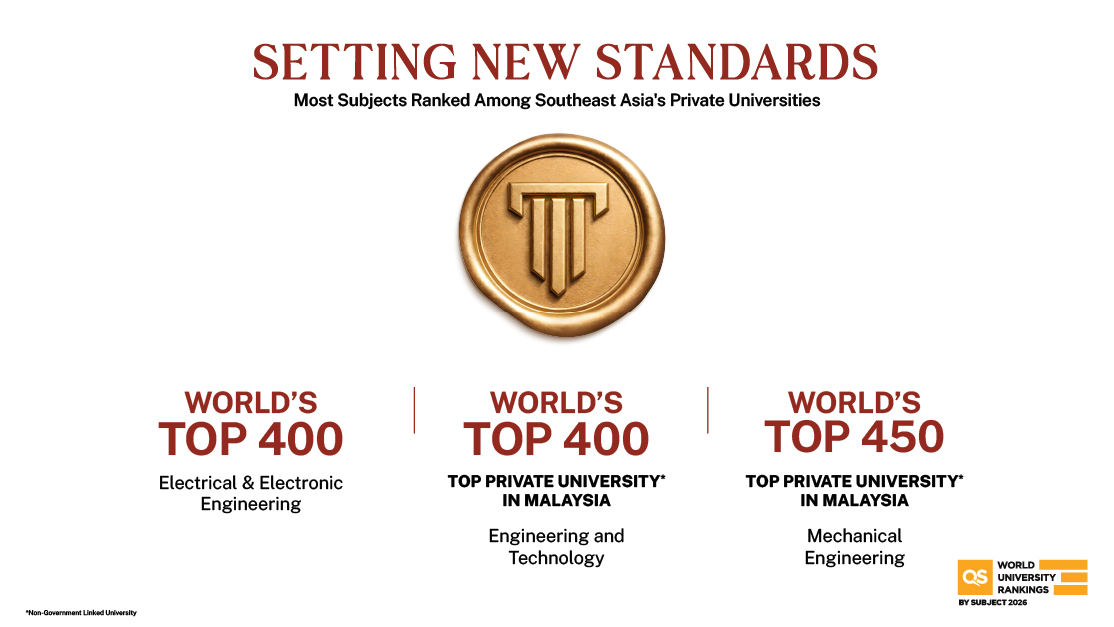
Our programmes are globally recognised, with the Electrical and Electronic Engineering programme ranked among the top 400 in the world, Engineering and Technology in the top 400, and Mechanical Engineering in the top 450 (QS World University Rankings by Subject 2026). 


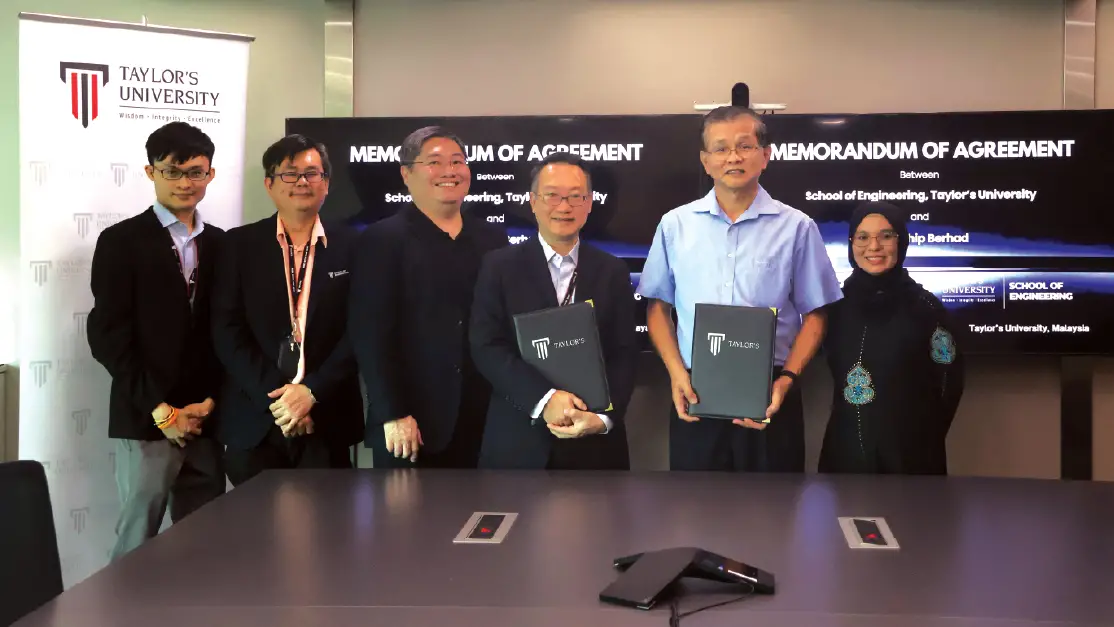
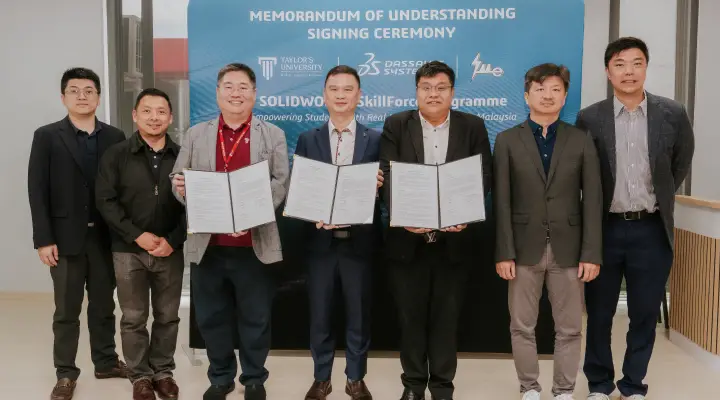
We work directly with industry partners like SkyeChip and Dassault Systèmes to ensure our curriculum mirrors real-world engineering environments. From advanced chip design to industry-standard 3D simulation, the technical skills and hands-on experience you gain are what top employers actively recruit for.


This focus on practical rigour drives strong demand for our programmes, producing graduates who transition seamlessly into high-impact engineering roles across the region.

Interested to know more? Start your journey with us now.
Find Your Path at Taylor's Open Day: 5, 6, 12 and 13 December


Still deciding, or waiting on a result? Come and get a clear answer. Explore our world-class learning environment and industry connections at a university ranked #272 in the QS World University Rankings 2027, with a 100% graduate employment rate (2025 MOHE Graduate Tracer Study). Over RM60 million in scholarships and bursaries are available to support your studies.
AT A GLANCE DISCOVER MORE OUR PROGRAMMES

RECOGNITION AND PARTNERS
FEATURED STORIES
WHY TAYLOR'S

RANKINGS AND RECOGNITIONS

INDUSTRY PARTNERS

Our engineering programmes are shaped with leading industry partners. Our Industry Advisory Panel reviews what we teach, while expert lectures and site visits link students with the wider engineering community. Through industry collaborations, from certified 3D design and simulation training to integrated circuit (IC) design projects, students gain direct exposure to real-world engineering. This practical focus is why our bachelor's degree graduates achieved a 100% employment rate within six months of graduation (Ministry of Higher Education, Malaysia (MOHE) Graduate Tracer Study 2025).

high-res-youtube-video
Audio Gif

Taylor'sphere™ is Taylor’s University and College’s unique education ecosystem designed to nurture well-rounded graduates. It goes beyond academics by integrating three interconnected pillars:

Intellect

Sharpen critical thinking

Craft 

Hone hands-on expertise

Practical Wisdom

Nurture emotional intelligence


Together, these pillars create a supportive environment where students don’t just learn — they grow, innovate, and prepare for meaningful careers and impactful lives.

Turn Ambition Into Action


Success doesn’t happen by chance — it starts with the right foundation. Our engineering programmes combine academic excellence with real-world exposure, helping you develop the mindset, confidence, and capabilities to lead in a dynamic world.

Every great career begins with a conversation. Make an appointment with our education counsellors to explore your interests, goals, and the programme that will help you make your mark in the engineering world.

MEET OUR EXPERTS
CHAT WITH STUDENTS
GET INSPIRED
EXPLORE OUR FACILITIES
FAQS

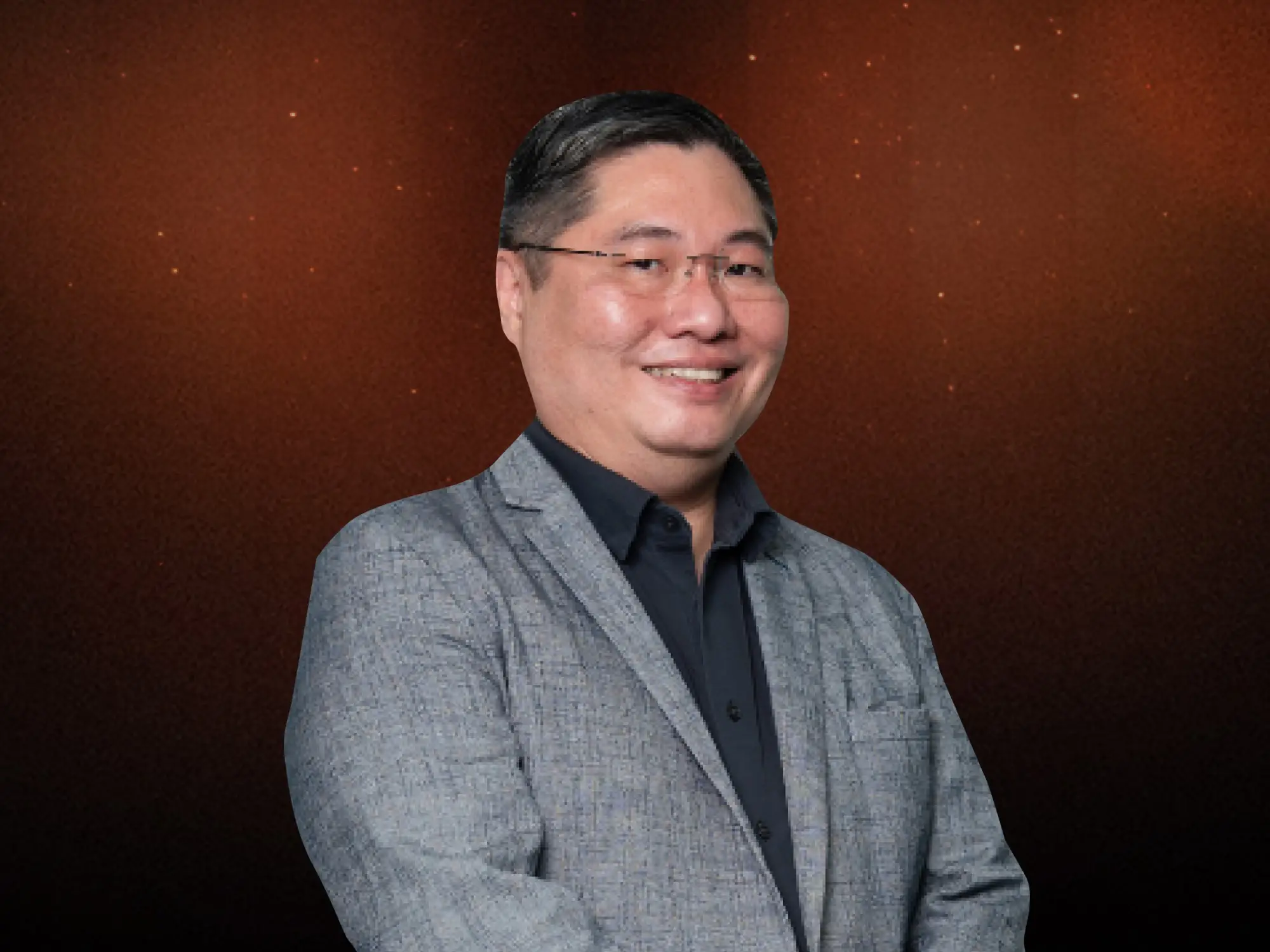
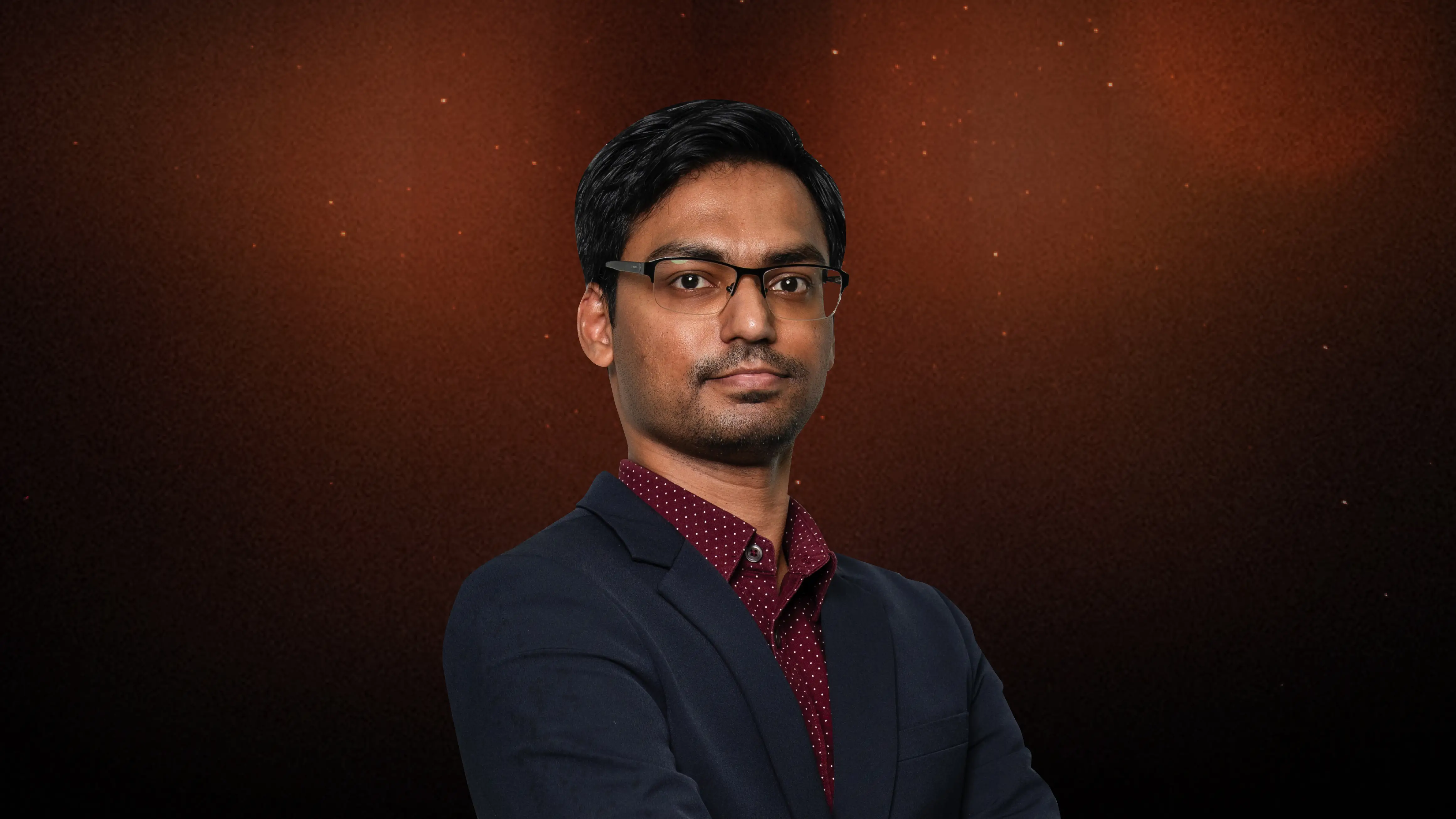
Professor Ts Dr Sim Yee Wai

Head of School, School of Engineering


Professor Ts Dr Sim Yee Wai is an experienced academic and professional technologist with 22 years of teaching and professional experience in engineering, specialising in machine learning, multi-agent simulation, design process optimisation, and unmanned aerial systems.


Holding a PhD from the University of Southampton, with research focused on the use of machine learning in expert finding, he brings perspectives from industry-funded projects, including a collaboration with the Sarawak Multimedia Authority on ADS-B technology for UAV traffic management in Sarawak airspace, into his teaching and programme design, ensuring learning remains applied, industry-informed, and regulatory-aware. One of his projects has been selected for the accelerator programme run by the Sarawak Digital Economy Corporation.


He believes students should graduate with not only knowledge and skills, but also professional integrity, ethical judgement, and the confidence to solve problems, communicate effectively, and lead in the engineering profession.

PROGRAMME DIRECTORS

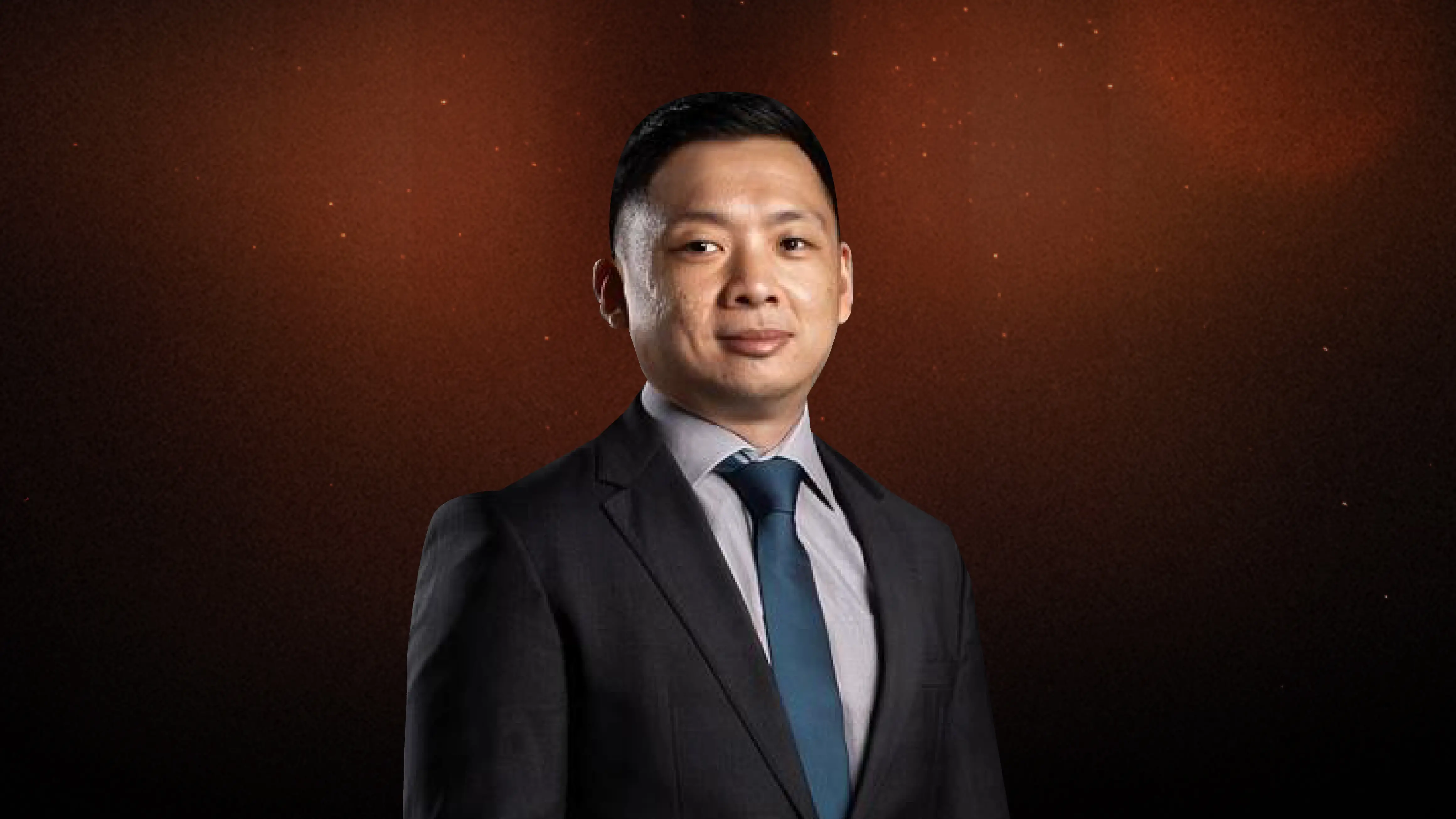
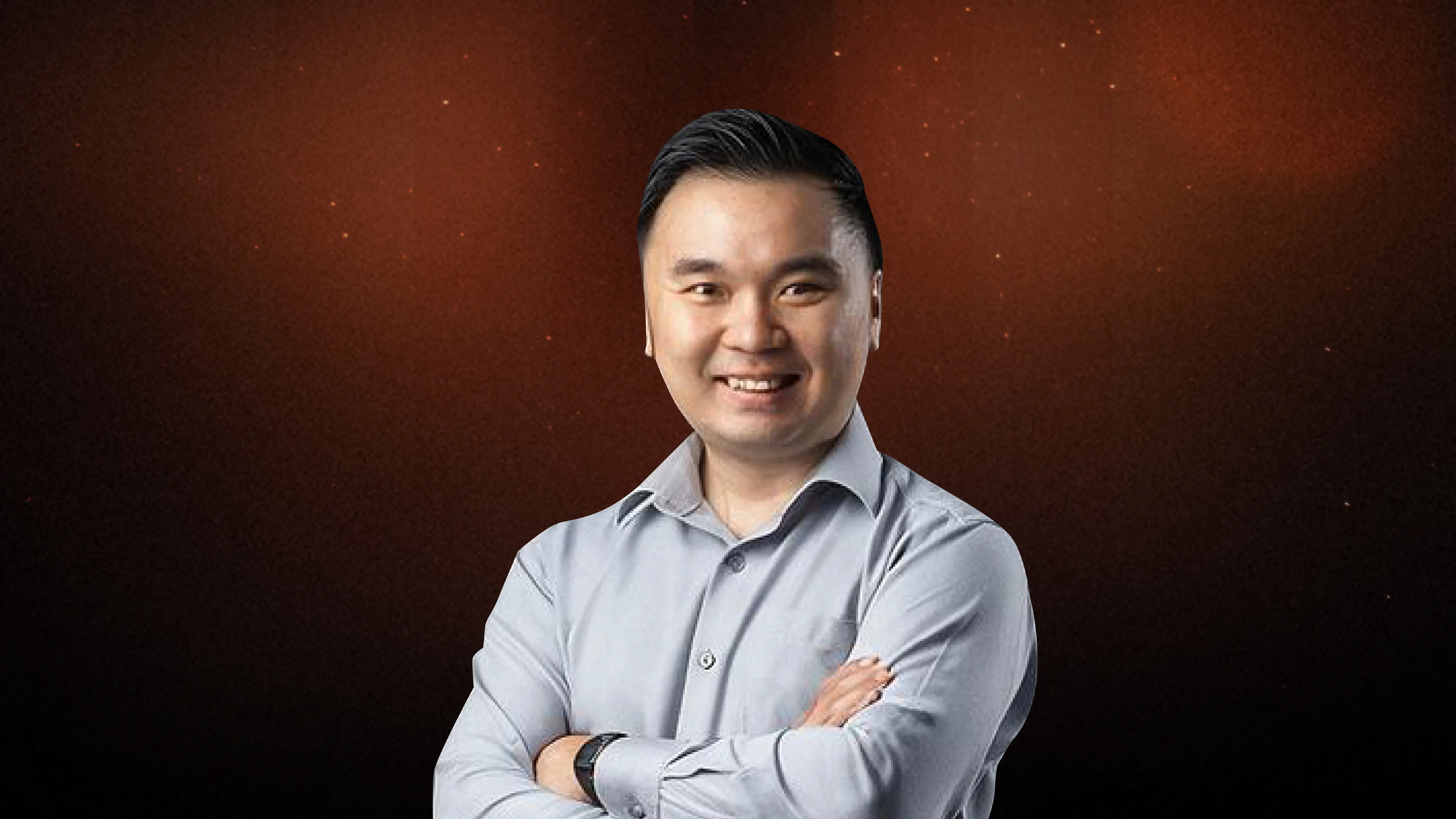
Associate Professor Ts Dr Choo Hui Leng

Associate Professor Ts Dr Choo Hui Leng

Programme Director, Bachelor of Mechanical Engineering with Honours


Dr Choo has broad expertise in Additive Manufacturing, Polymer Processing, and Composite Materials, supported by a PhD in Mechanical Engineering and MSc in Polymer Engineering. He is a Chartered Engineer, a member of IMechE, and a Professional Technologist.

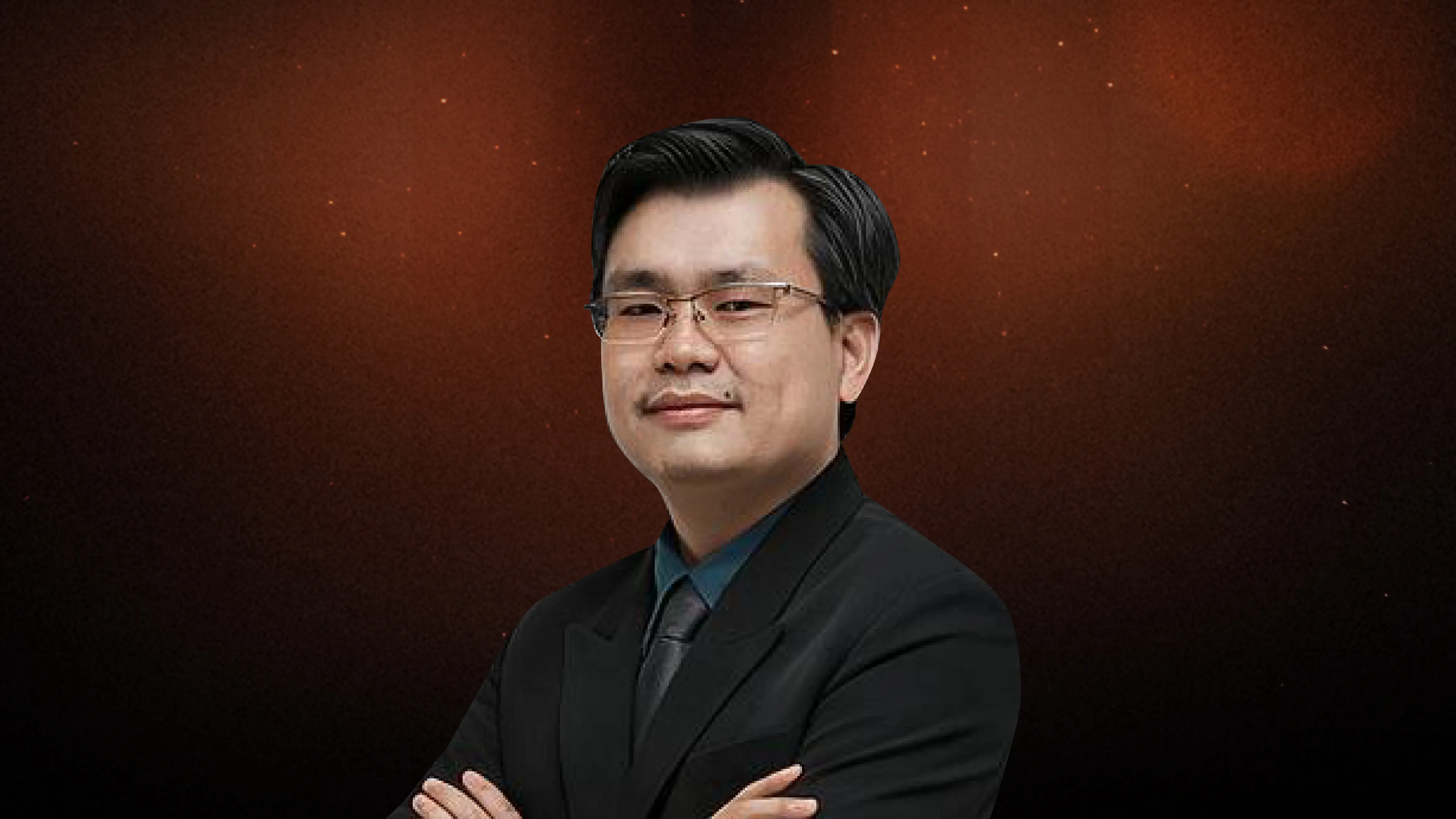
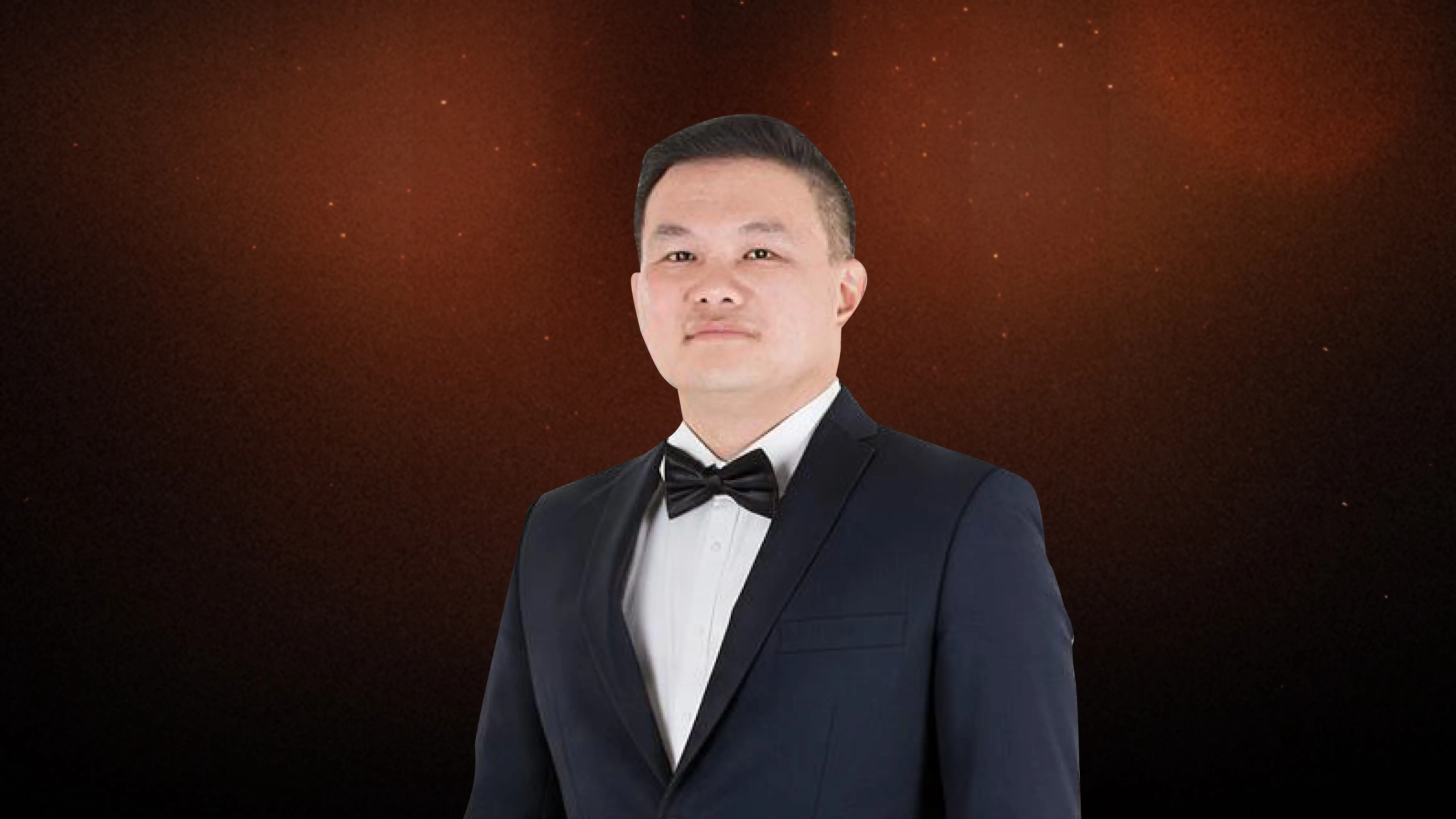
Associate Professor Ir Dr Eric Pang Wai Leong

Associate Professor Ir Dr Eric Pang Wai Leong

Programme Director, Bachelor of Electrical and Electronic Engineering with Honours


Dr Eric Pang is a Professional Engineer (Ir./PEPC), MIEM, and SMIEEE. He specialises in wireless communications, IoT systems, and FPGA design. He collaborates closely with industry partners and actively contributes to research, accreditation, consultancy, and engineering education.

Dr Firnaaz Ahamed

Dr Firnaaz Ahamed

Programme Director, Bachelor of Chemical Engineering with Honours


Dr Firnaaz is a Chartered Chemical Engineer (CEng MIChemE) specialising in computational biochemical modelling. His research models how microorganisms regulate metabolism across bioprocesses and diverse environments, including soil, river corridors, and the gut microbiome, with a focus on developing predictive models to understand complex microbial systems and their responses to changing conditions.

Associate Professor Ir Dr Phang Swee King

Associate Professor Ir Dr Phang Swee King

Programme Director, Bachelor of Mechatronics Engineering with Honours


Dr Phang builds autonomous drone systems, from automated inspection flights to real-time object detection, with a PhD in Electrical Engineering from NUS. He is a Professional Engineer (Board of Engineers Malaysia), ASEAN Chartered Professional Engineer (ACPE), and a Senior Member of IEEE (United States).

Professor Ir Dr Jonathan Goh Hui Hwang

Professor Ir Dr Jonathan Goh Hui Hwang

Programme Director, Master of Science in Engineering and PhD in Engineering


Dr Jonathan Goh consults on sustainable energy alongside research into smart grids, microgrid integration, and decarbonisation. He is a Fellow of the IET, an APEC Engineer, and holds a PhD in Electrical Engineering from UTM.

In this section, you get the chance to hear directly from the vibrant voices of our engineering school's communities. As a gathering space for insights and stories, we are excited to showcase the experiences and knowledge of our lecturers, students, alumni, and industry partners.

VISION IN MOTION

Our campuses offer students comprehensive features and facilities to support their learning and comfort during their studies. We strive to provide an environment conducive to learning and development.

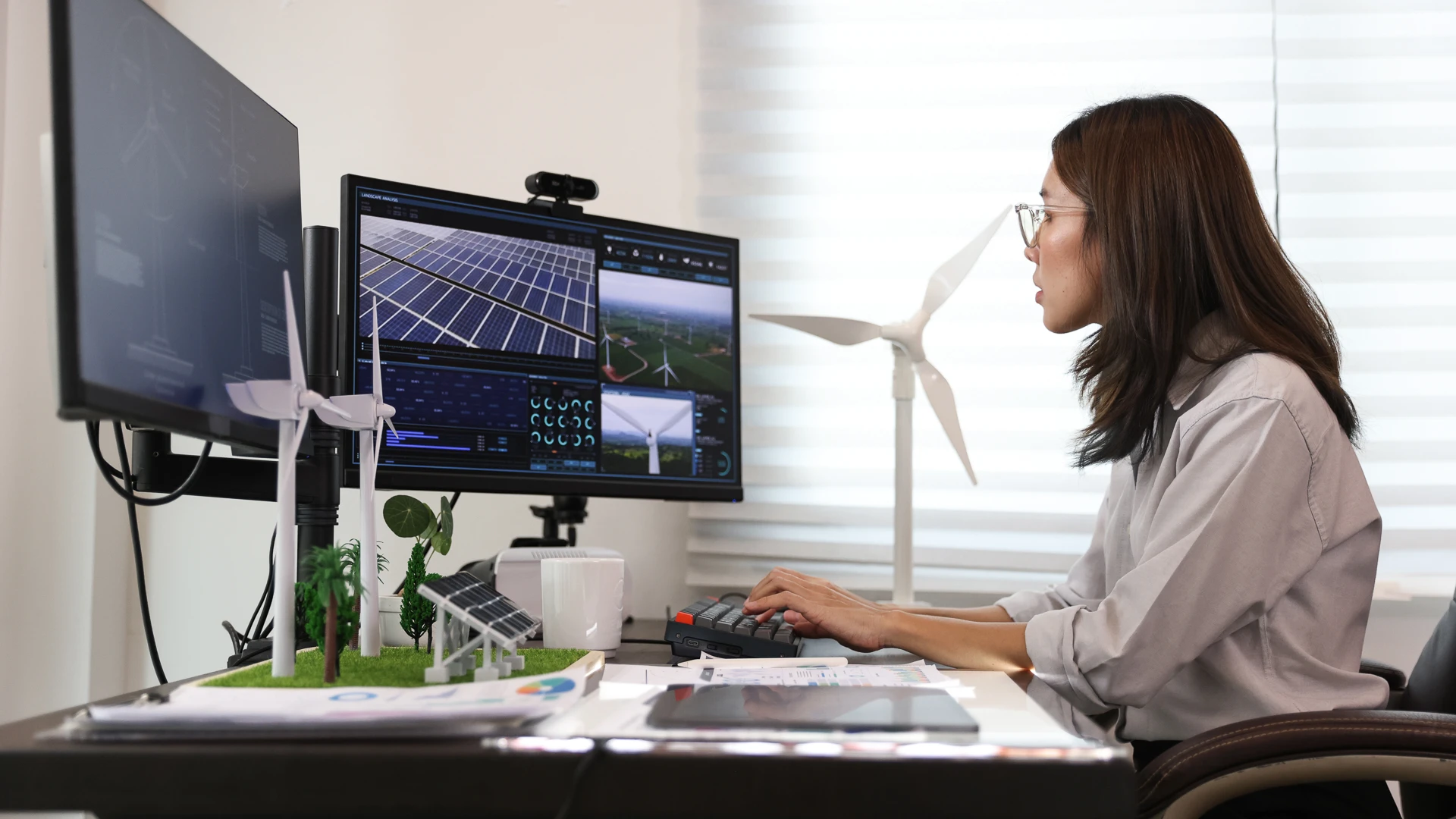
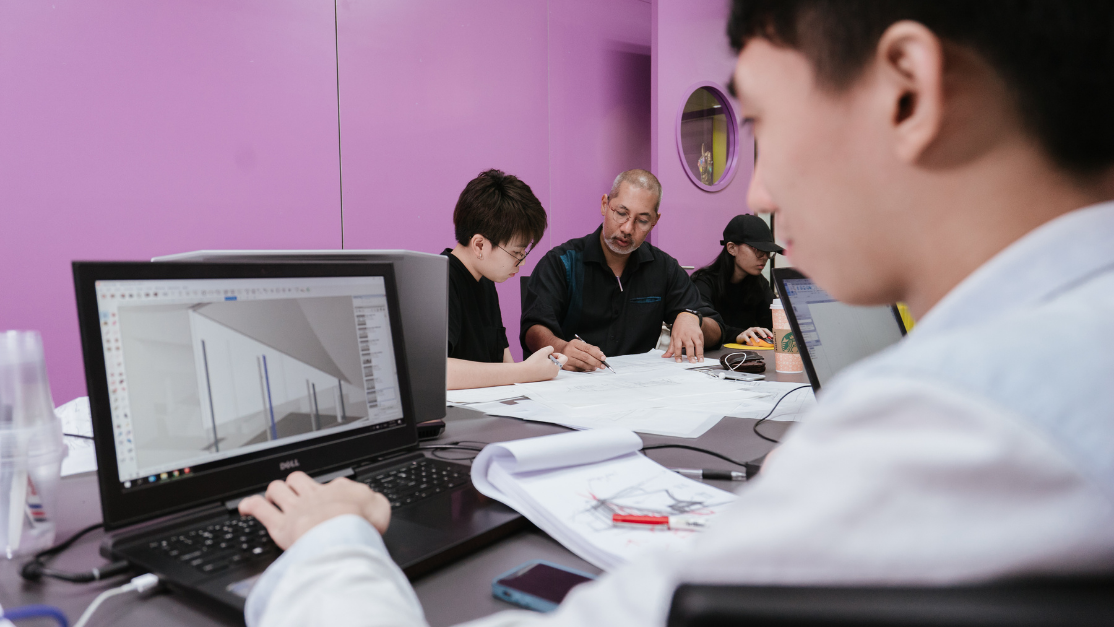
student using a laptop to work on a simulation

Advanced Simulations Laboratory

Block E, ​Level G


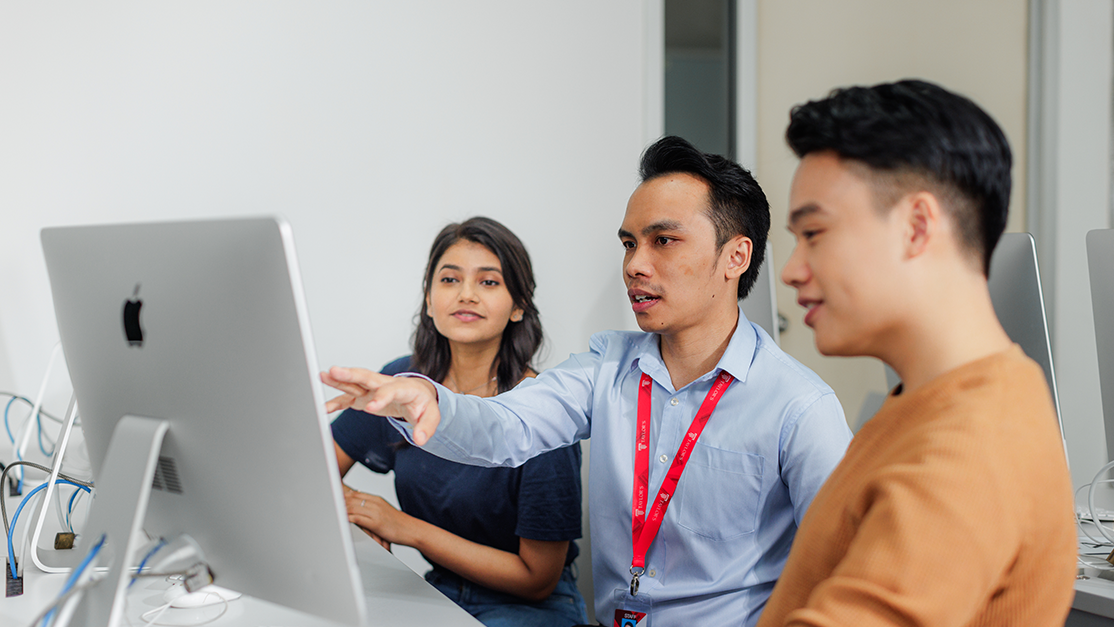
Equipped with state-of-the-art computers and software for advanced simulation to predict and improve engineering systems behaviour.

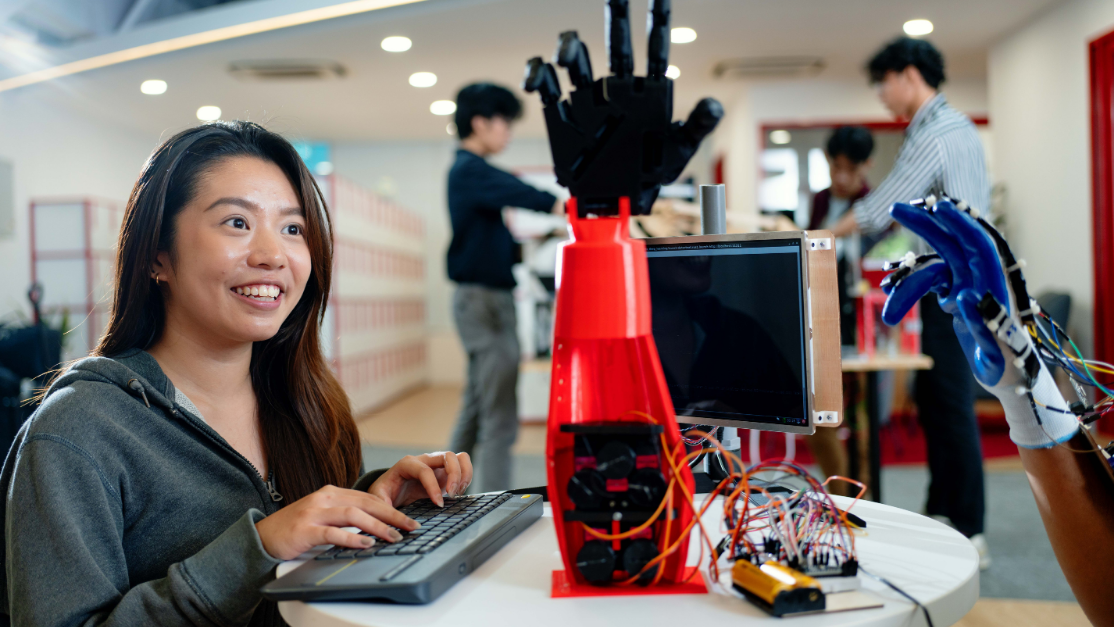
student working on a robotic arm

Automation & Robotics Laboratory

Block E, Level G


Purpose-built for the design, development, and testing of cutting-edge robotic and automation solutions that address real-world challenges and industry needs.

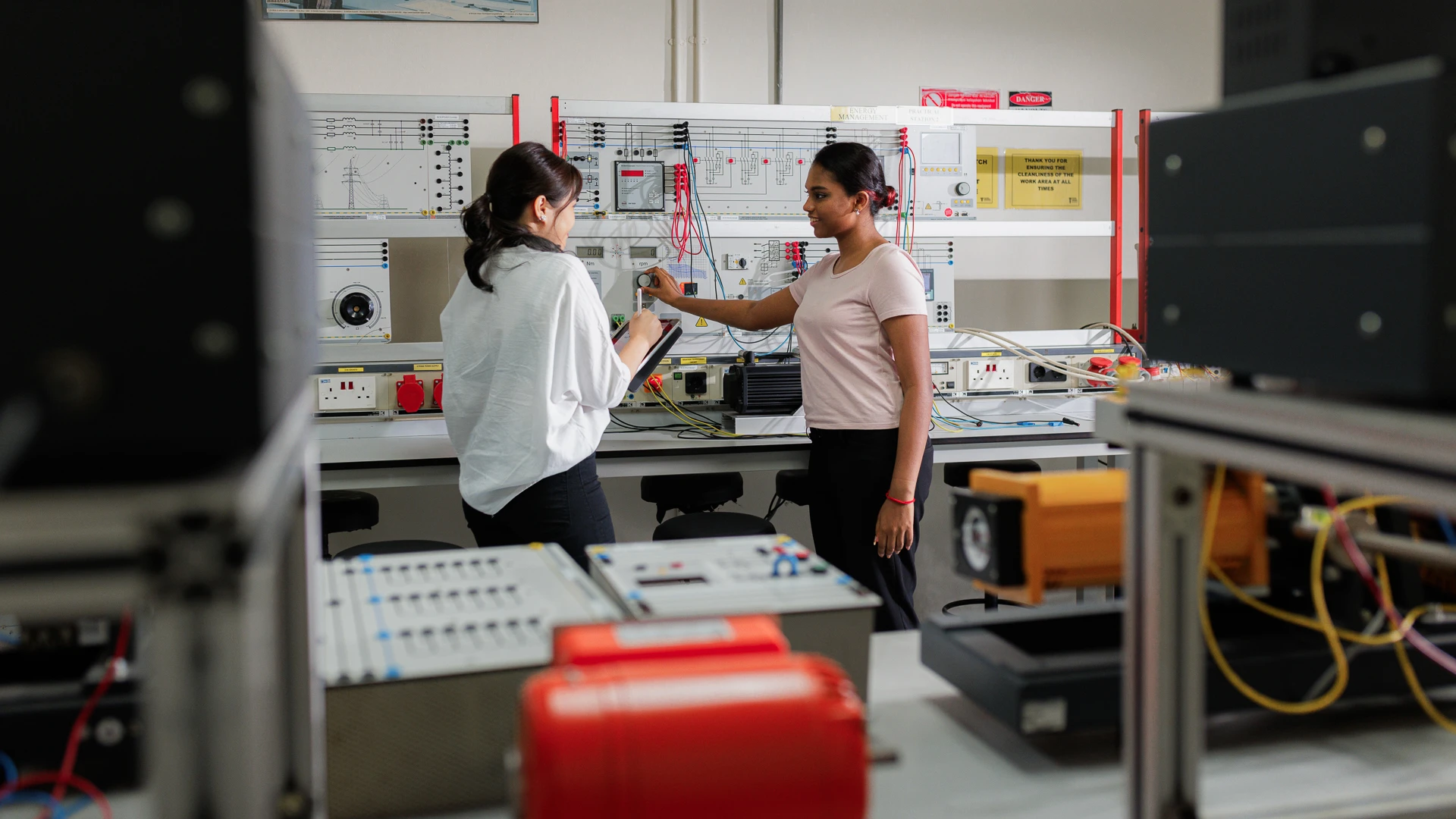
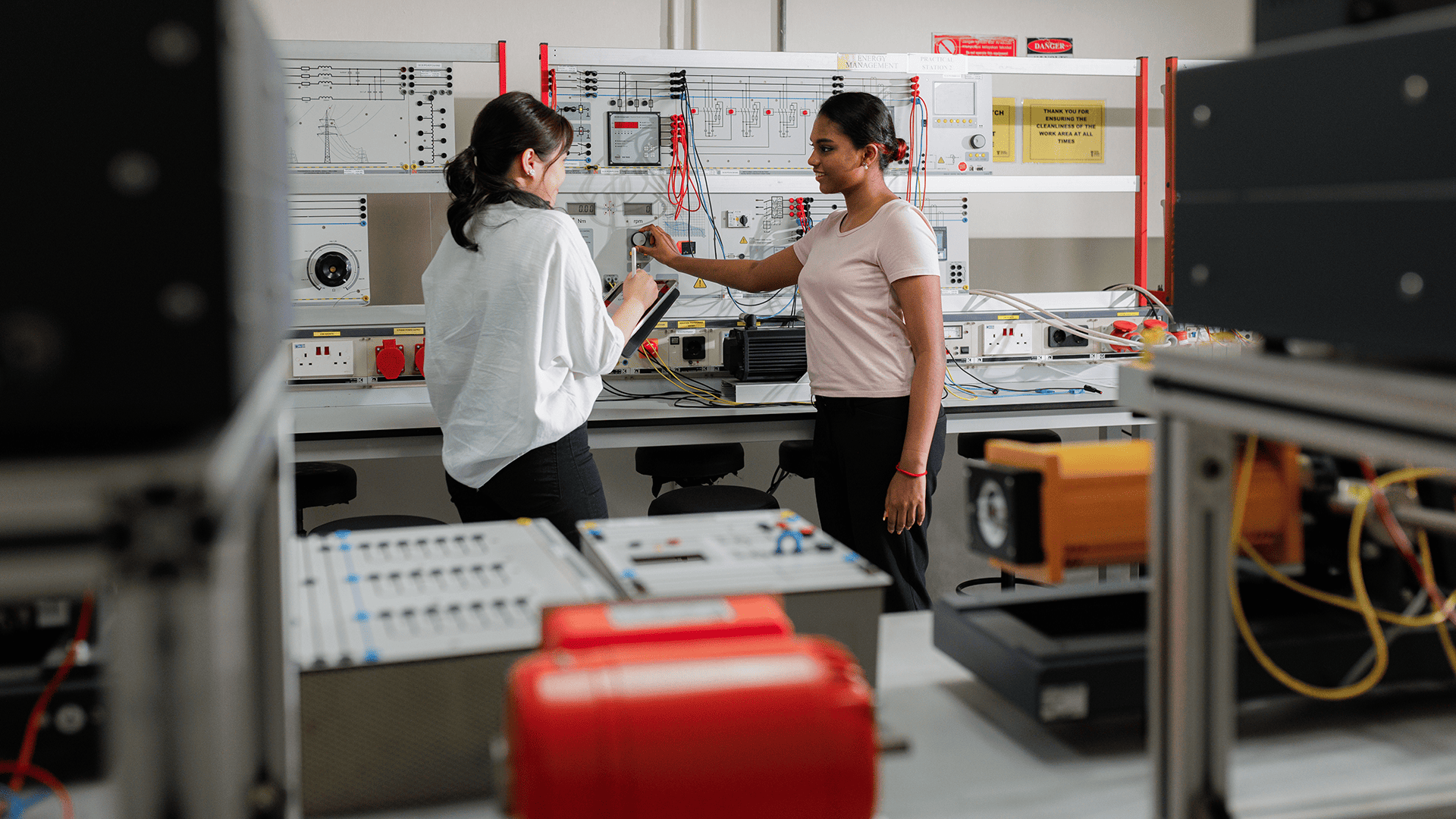
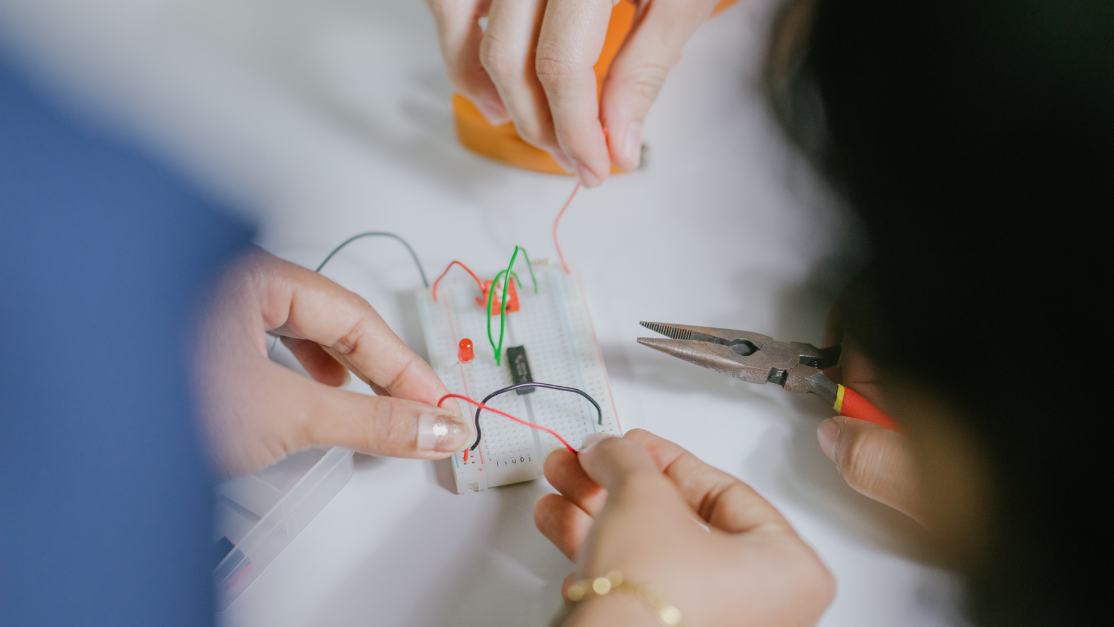
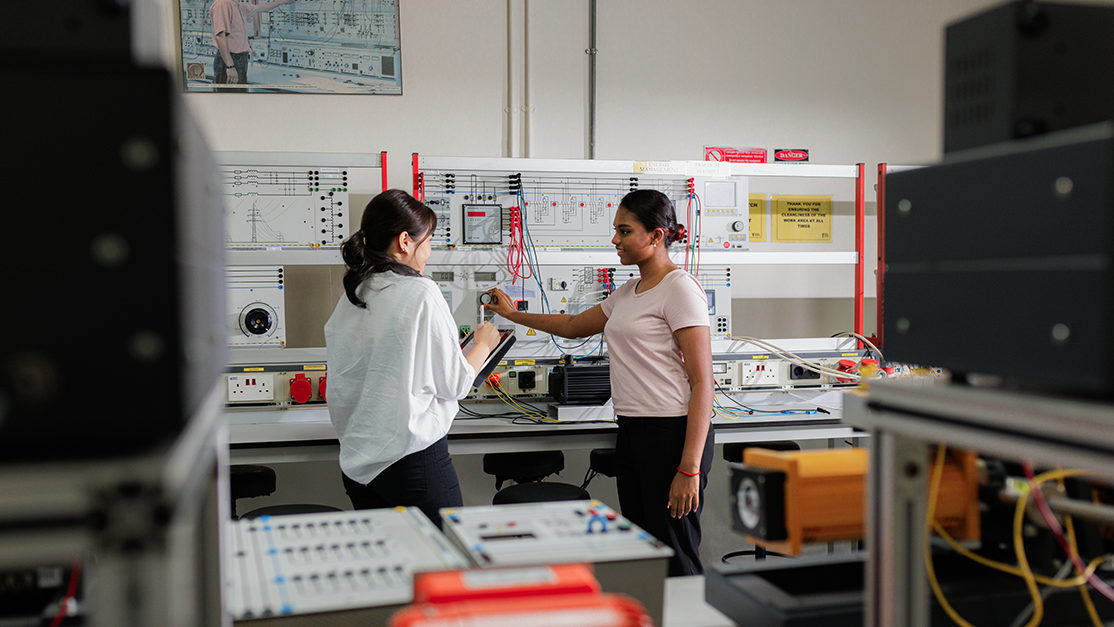
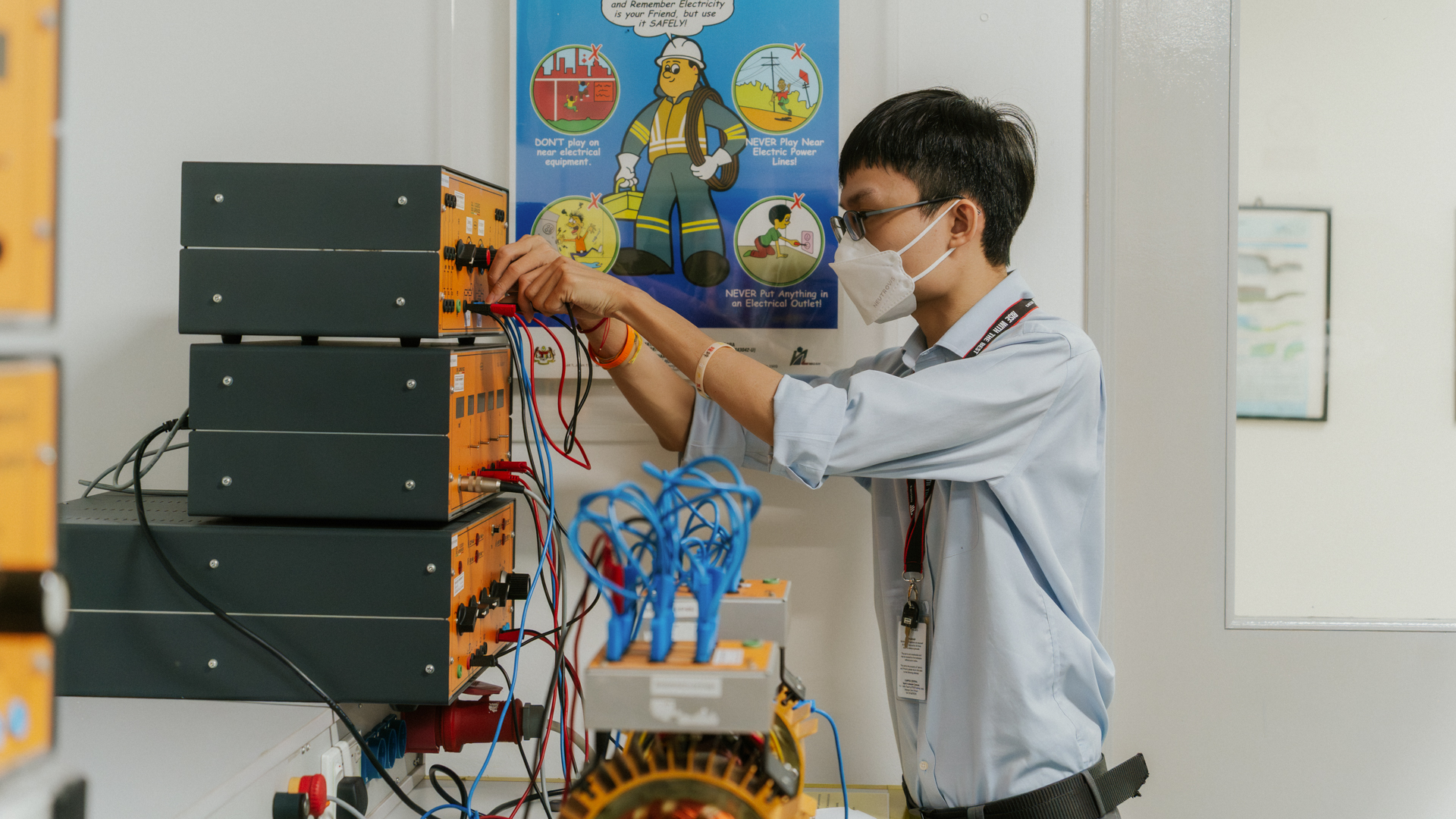
students working on an electrical circuit

Communication Control Laboratory

Block E, Level G


Enhances students' understanding of the principles behind building wireless communication systems and various automatic control systems.

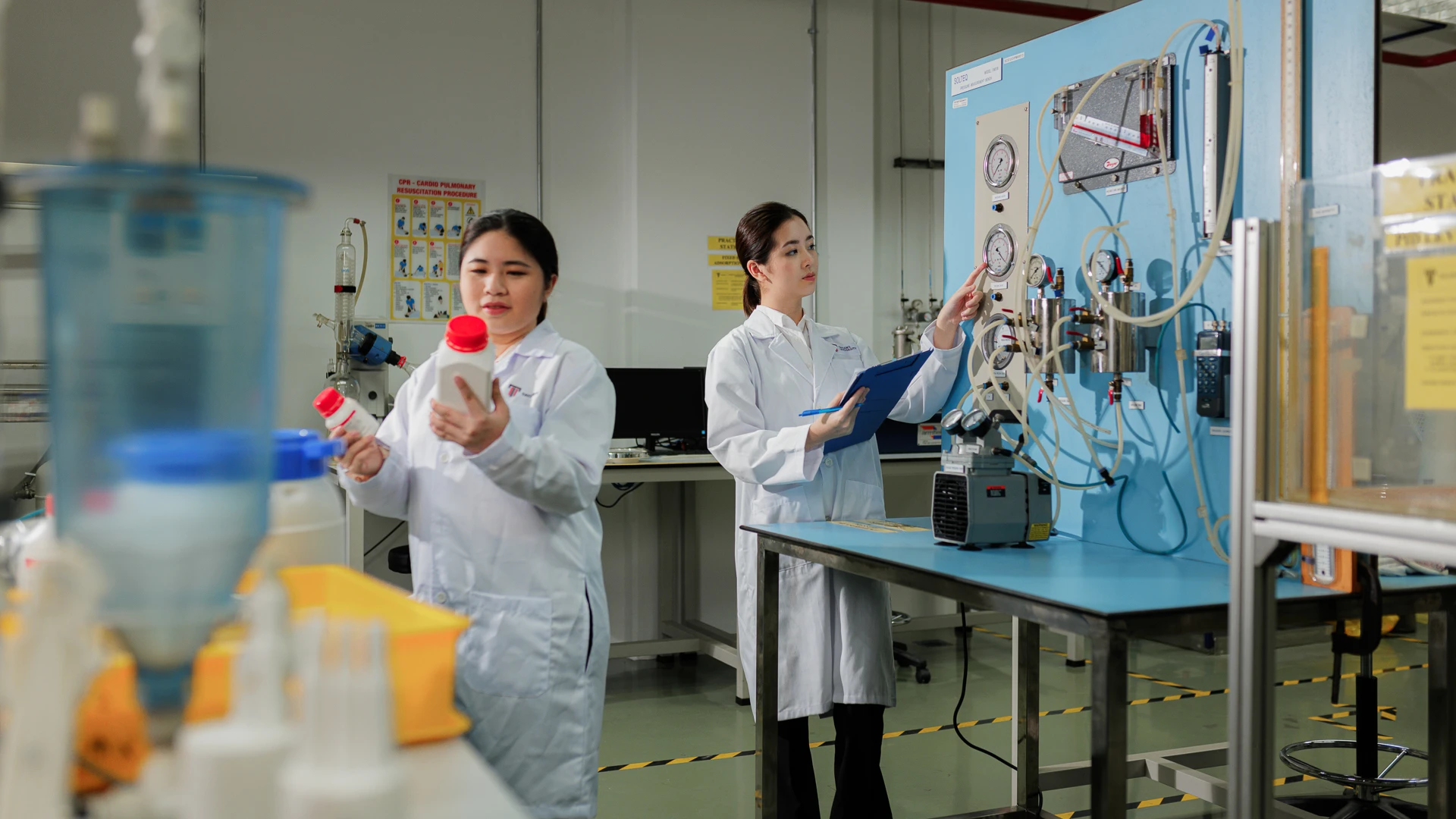
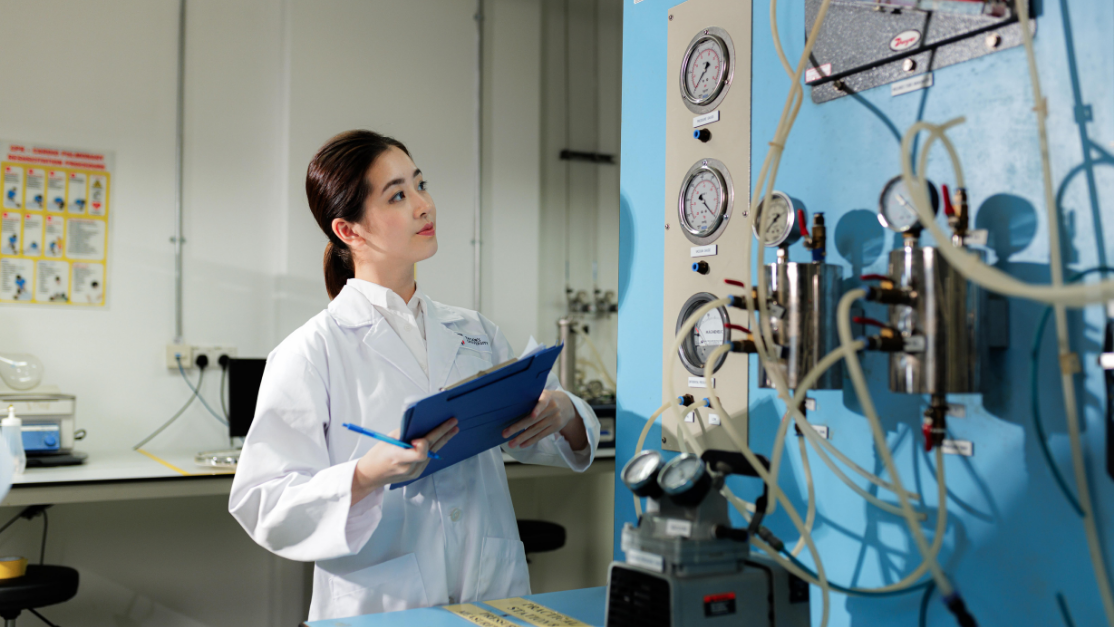
female student checking on a fluid engineering machine

Energy & Fluids Laboratory

Block E, Level G


Facilitates understanding of different phenomena associated with fluids and energy.

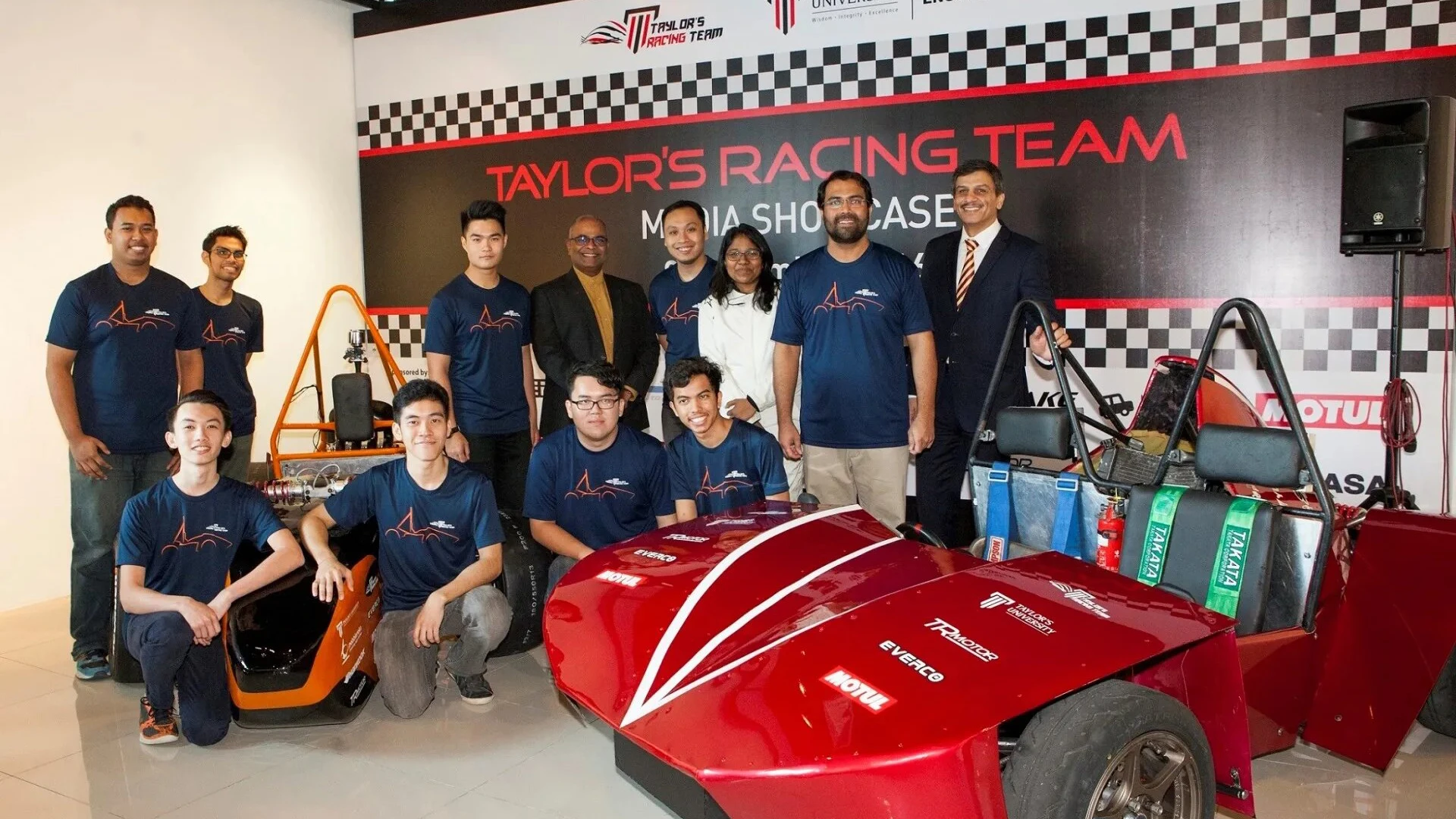
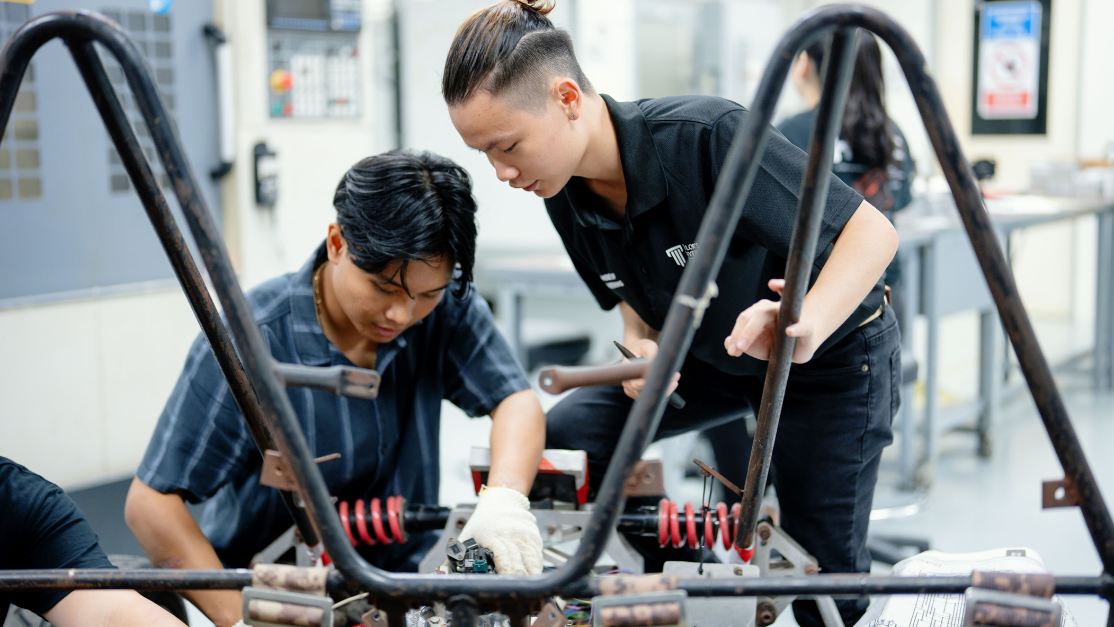
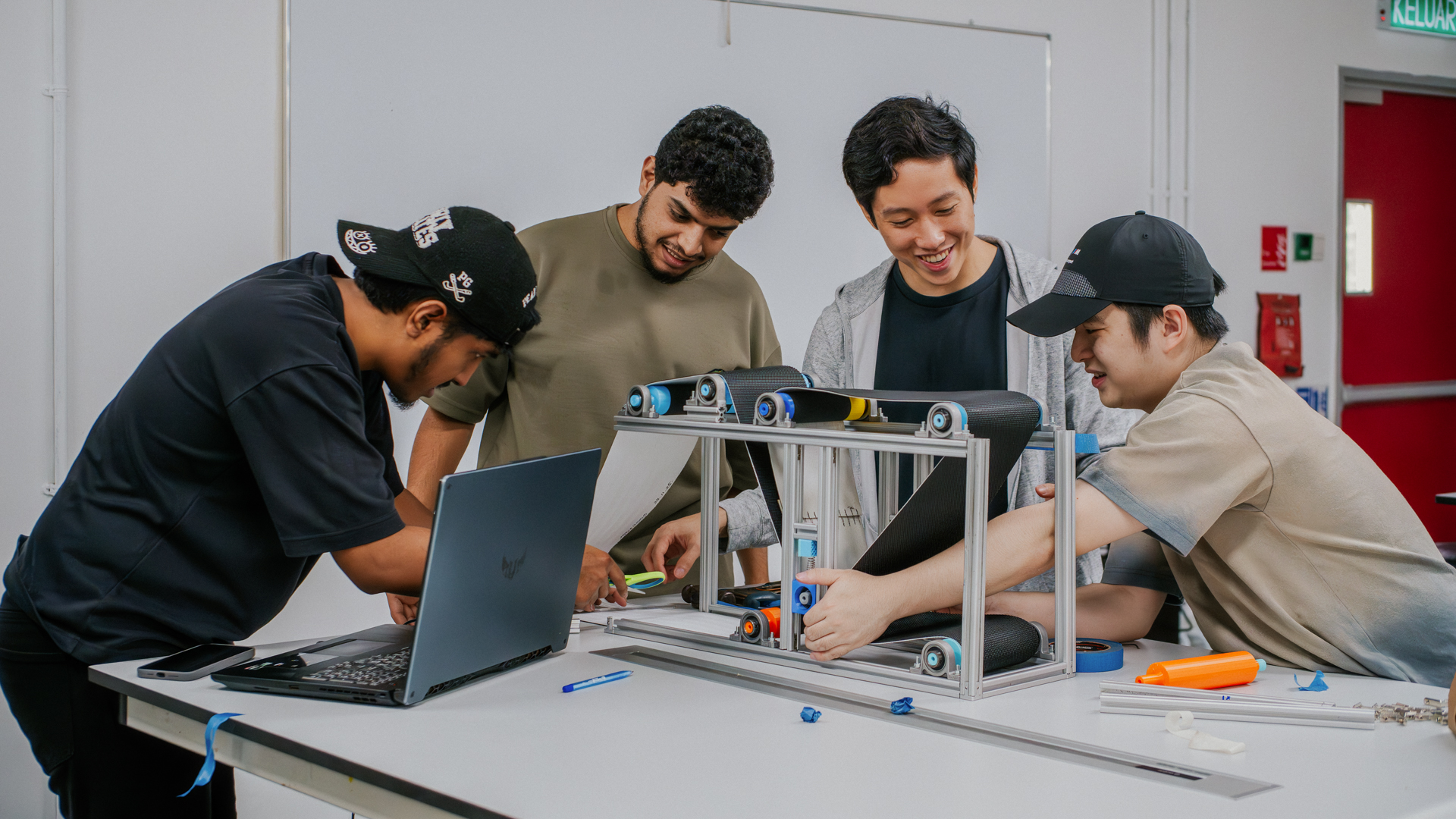
students working on the frame of a car

Innovation & Prototyping Laboratory

Block E, Level G


One-stop station for students to turn design ideas into real products.

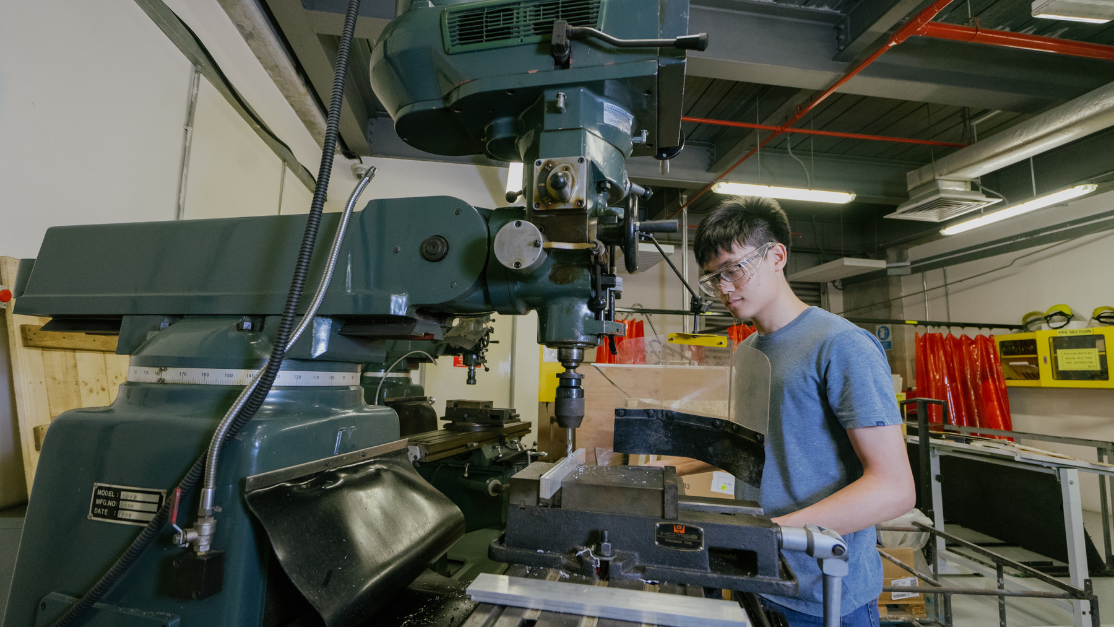
student using a manufacturing device

Manufacturing Workshop

Block E, Level G


Equipped with all the necessary machinery required to manufacture metal artefacts.

image of a material solids machine

Material & Solids Laboratory

Block E, Level G


Designed to perform experiments and research different aspects and properties of solid materials.

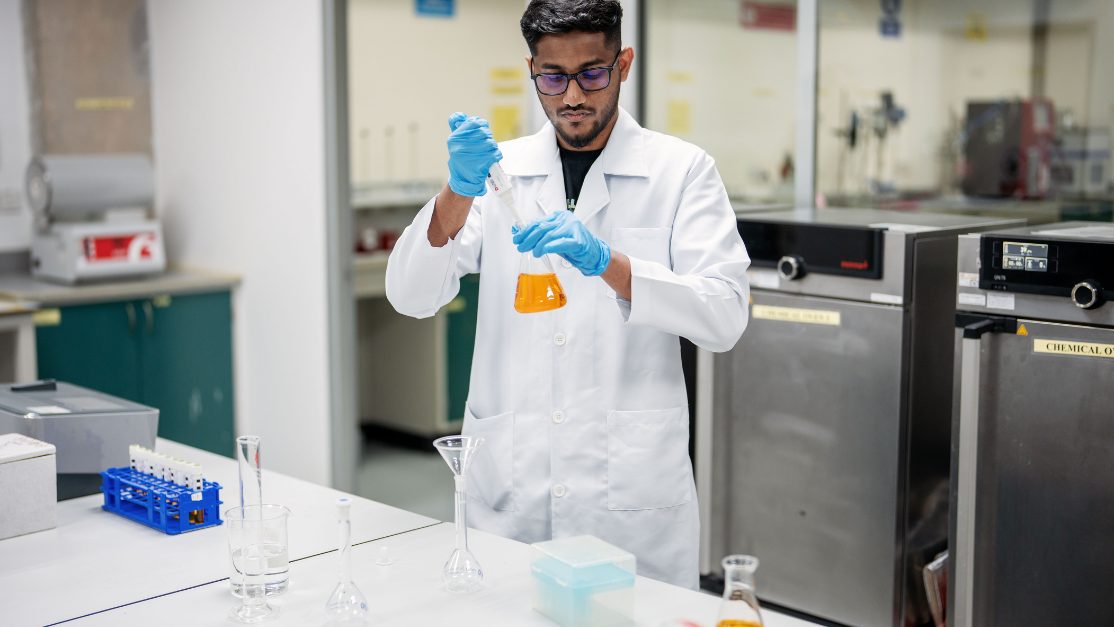
man working with test tubes and liquids

Process & Reactions Laboratory

Block E, Level G


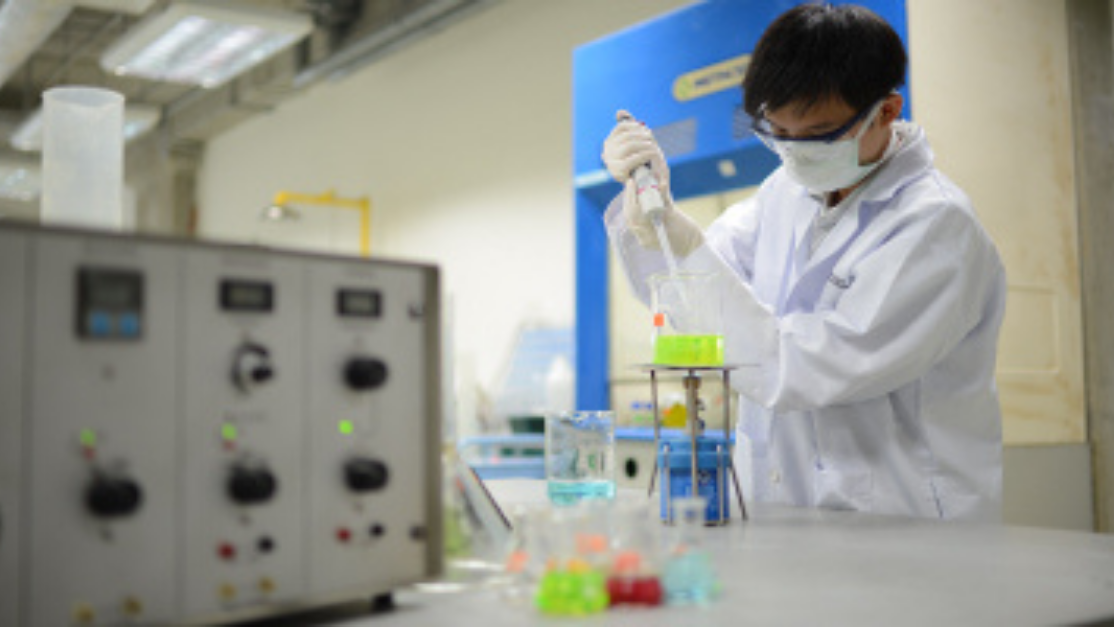
Facilitates the study of various chemical processes and reactions in relation to industries such as oil and gas, food, pharmaceutical, and cosmetics.

Students exploring electronic distribution system

Power Electronic & Distribution Laboratory

Block E, Level G


Supports electrical power core subjects including machines, advanced electronic drives, transmission, distribution networks to carry out experiments.

advanced machinery on display

Unit Operations Laboratory

Block E, Level G


Perform unit operation experiments for various industrial applications.

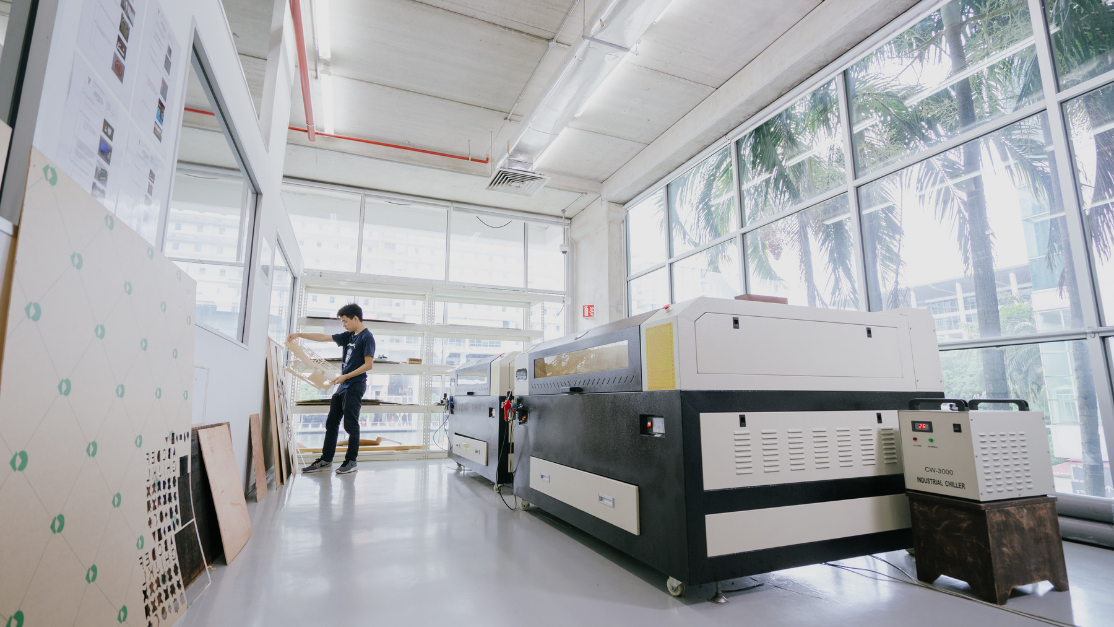
big space in a 3d laboratory with the machines

3D Modelling And Product Design Studio

Block E, Level G


Various sizes of 13 3-D printers and laser cutter machines available for coursework and research purposes.

student working on a chemical reaction

High Impact Research Laboratory

Block E, Level G


Supports the research-led teaching activities of the school, and provides space for final year students to carry out their research.

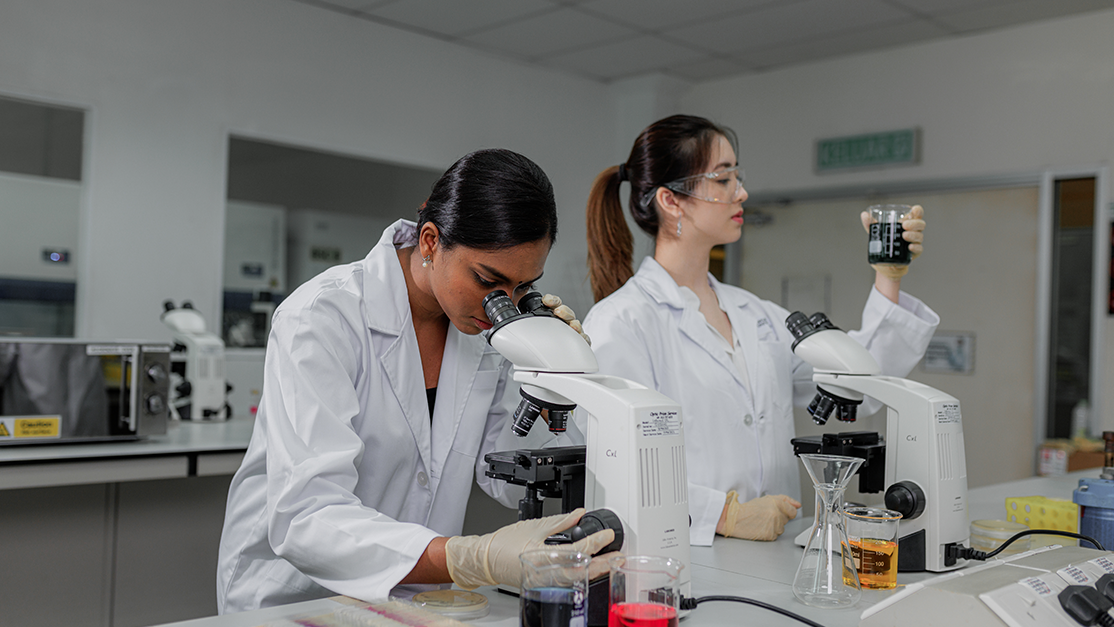
taylor's student using microscope

Chemical Engineering Research Laboratory​​​

Block E, Level G


Supports research-led teaching and provides space for final-year Chemical and Mechanical students to conduct their research.

students and lecturer in lab

Computational and Visualisation Laboratory

Block E, Level G


High-performance computers and software for postgraduate and final-year students to run simulation projects.

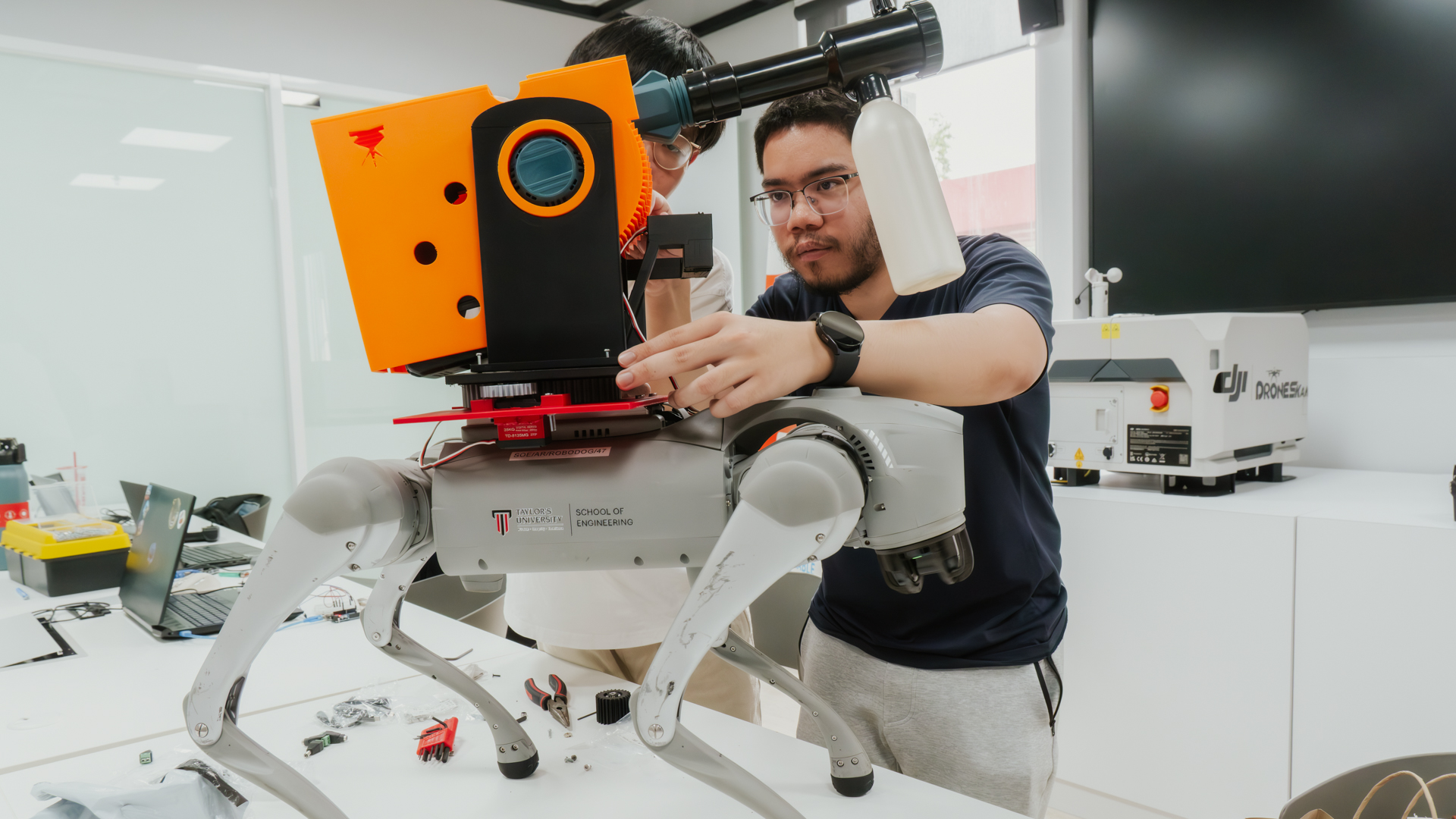
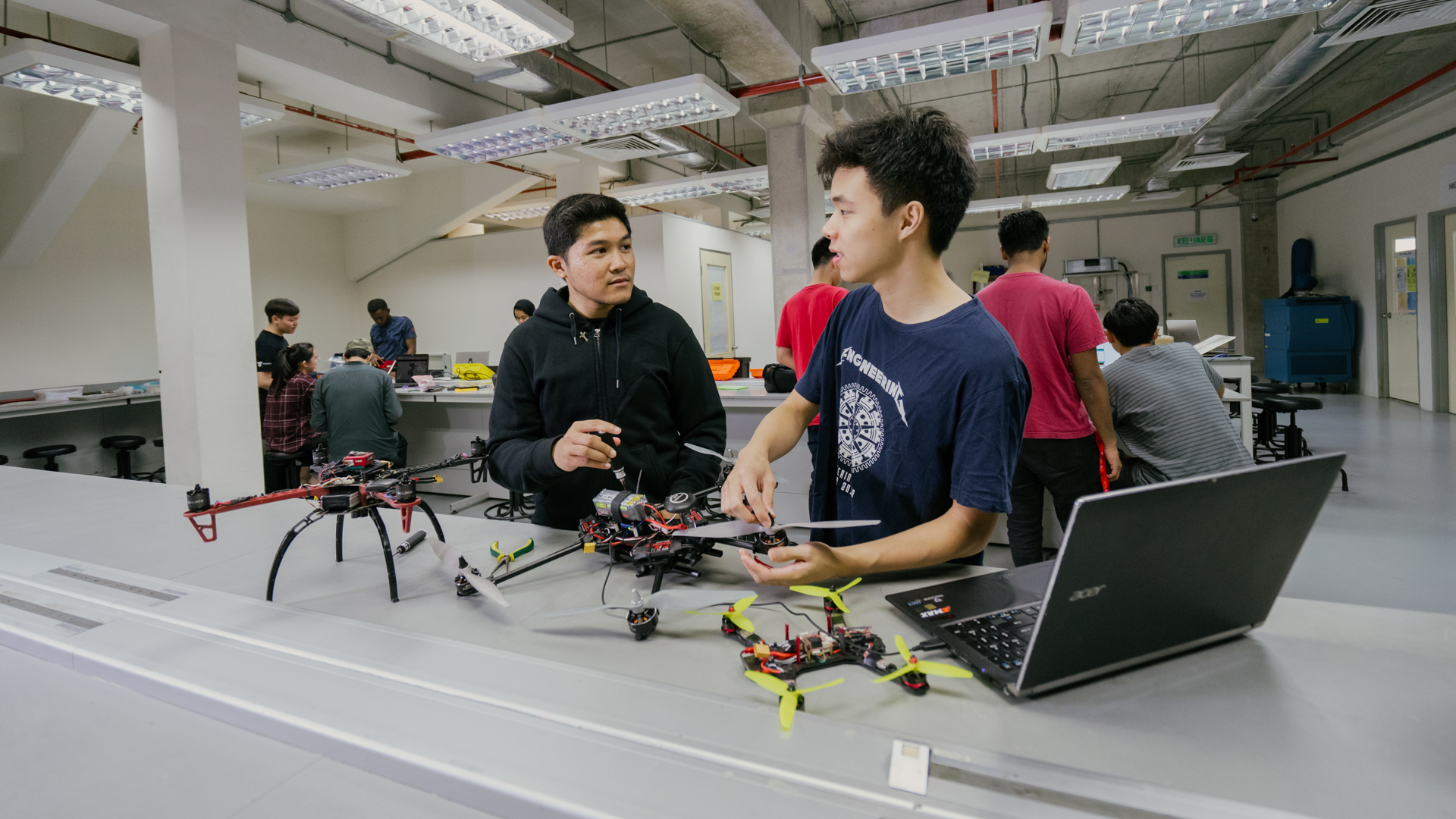
Taylor's engineering student and lecturer in robotic hub

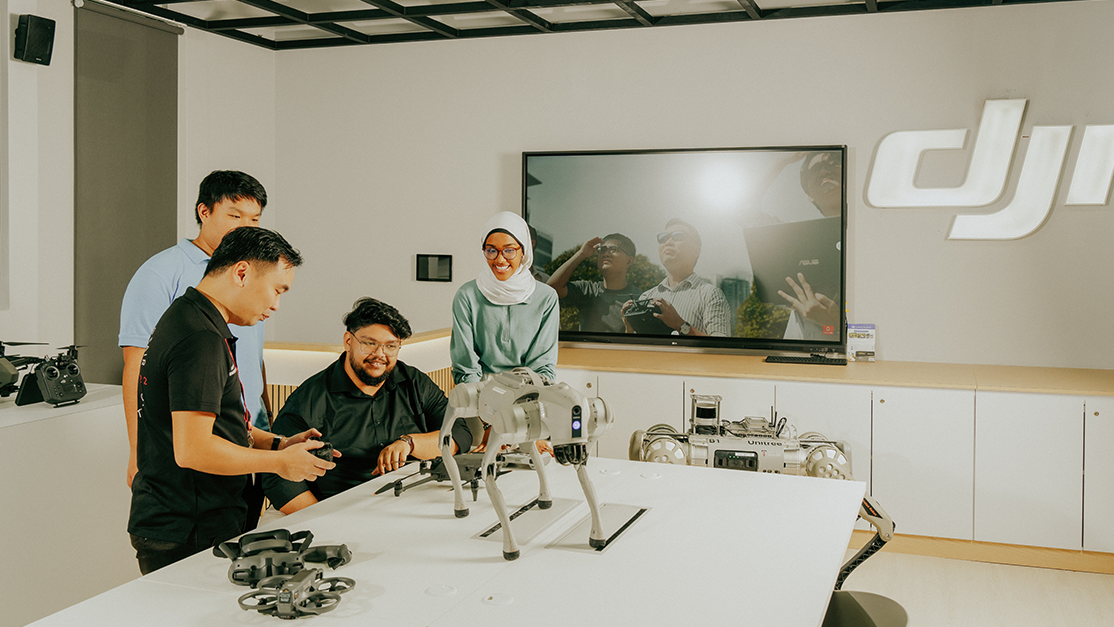
Robotic Hub

Block D, Level 1


An innovative space featuring drones, robodogs, and humanoids for hands-on AI and next-gen automation, building real-world deployment skills.

Is Taylor's School of Engineering accredited?

Is Taylor's School of Engineering accredited?

Yes. All our programmes are accredited by the Malaysian Qualifications Agency (MQA). Our Chemical, Electrical and Electronic, and Mechanical Engineering degrees are also accredited by the Engineering Accreditation Council (EAC) of the Board of Engineers Malaysia (BEM). Through the Washington Accord, graduates can pursue professional registration in Australia, the UK, Canada or the United States without requalifying. Mechanical Engineering graduates can also work towards UK Chartered Engineer status through the Institution of Mechanical Engineers (IMechE), and Electrical and Electronic Engineering graduates through the Institution of Engineering and Technology (IET).

What engineering programmes does Taylor's offer?

What engineering programmes does Taylor's offer?

Taylor's School of Engineering offers engineering programmes from foundation to doctorate. At undergraduate level, there are four bachelor's degrees, each taking 4 years: the Bachelor of Chemical Engineering with Honours, Bachelor of Electrical and Electronic Engineering with Honours, Bachelor of Mechanical Engineering with Honours and Bachelor of Mechatronics Engineering with Honours. A Foundation in Engineering gives students an entry route into these degrees.

What makes Taylor’s engineering education different?

What makes Taylor’s engineering education different?

Students work on actual engineering problems from early on, as Taylor's combines project-based learning with the CDIO™ approach (Conceive, Design, Implement, Operate). It is the first engineering school in Southeast Asia to adopt CDIO. Industry engagement and the Grand Challenge Scholars Programme add to that.

What companies does Taylor’s School of Engineering work with?

What companies does Taylor’s School of Engineering work with?

Industry partners and panel members include organisations such as SkyeChip Berhad, Dassault Systèmes, IME Technology, Petronas, Shell, Honeywell, Panasonic, Motorola, GSK and Malakoff.

Does Taylor's guarantee internships or job placement?

Does Taylor's guarantee internships or job placement?

Industrial Training is a core module in all four of our engineering bachelor's degrees, and internships are a graduation requirement, so every student completes one before graduating. Our Career Services Centre supports students from their first year, with career profiling, resume and interview coaching, internship preparation, and career fairs and recruitment drives on campus. Our engineering bachelor's degree graduates also recorded a 100% employment rate within six months of graduation (Ministry of Higher Education, Malaysia (MOHE) Graduate Tracer Study 2025).

Can I study overseas as part of my engineering degree?

Can I study overseas as part of my engineering degree?

Yes. All four of our engineering bachelor's degrees offer overseas articulation options with partner universities in the UK and Australia, including the University of Birmingham and UNSW Sydney. Depending on the programme and partner university, you can transfer after 1 or 2 years at Taylor's and complete your degree overseas.